28 Indicators That Eggs Have Gone Bad

Ever cracked an egg and wondered if it was still safe to eat? Eggs can be tricky, but there are clear signs that separate fresh from risky. This guide breaks down easy-to-spot indicators so you can avoid off flavors, wasted ingredients, and unwanted stomach trouble. Keep reading to confidently test eggs before they ever touch your pan.
1. Unpleasant sulfur smell
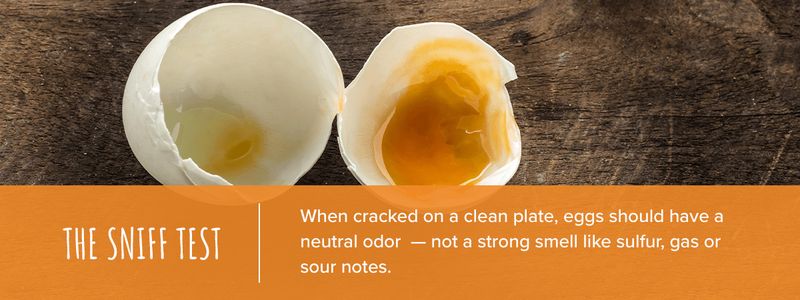
A rotten egg often hits you with a sharp sulfur smell the moment you crack it. If the scent is reminiscent of a struck match or sewage, it is time to toss it. Fresh eggs should smell neutral with no lingering notes.
Give yourself a few seconds after cracking to sniff at a short distance. If the odor grows stronger, trust your nose. Cooking will not remove that smell or make the egg safe again, so do not risk it.
2. Float test failure
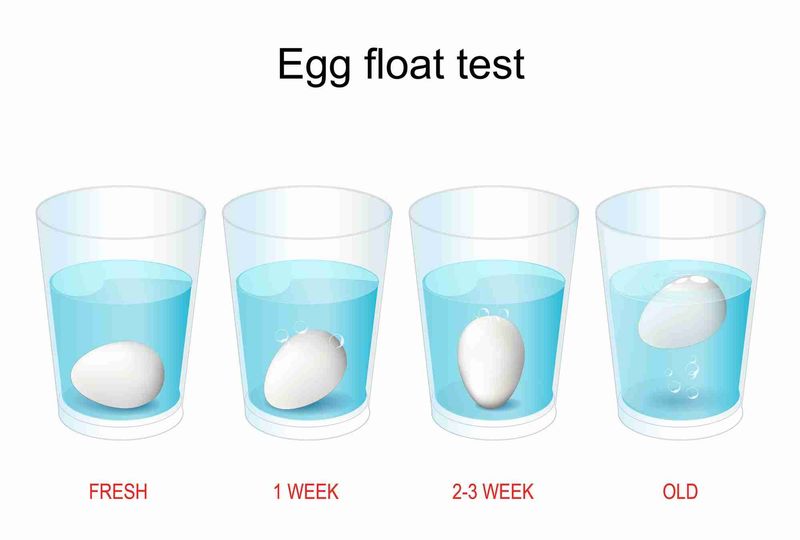
Place an egg in a bowl of cold water. If it floats to the top, gases have built up inside the shell from aging, suggesting it is no longer fresh. A good egg usually sinks and lies flat on the bottom.
Some older but still usable eggs may stand upright on the bottom. That indicates age, not necessarily spoilage. However, a floater typically means it is best to discard the egg rather than gamble on freshness.
3. Runny, watery whites
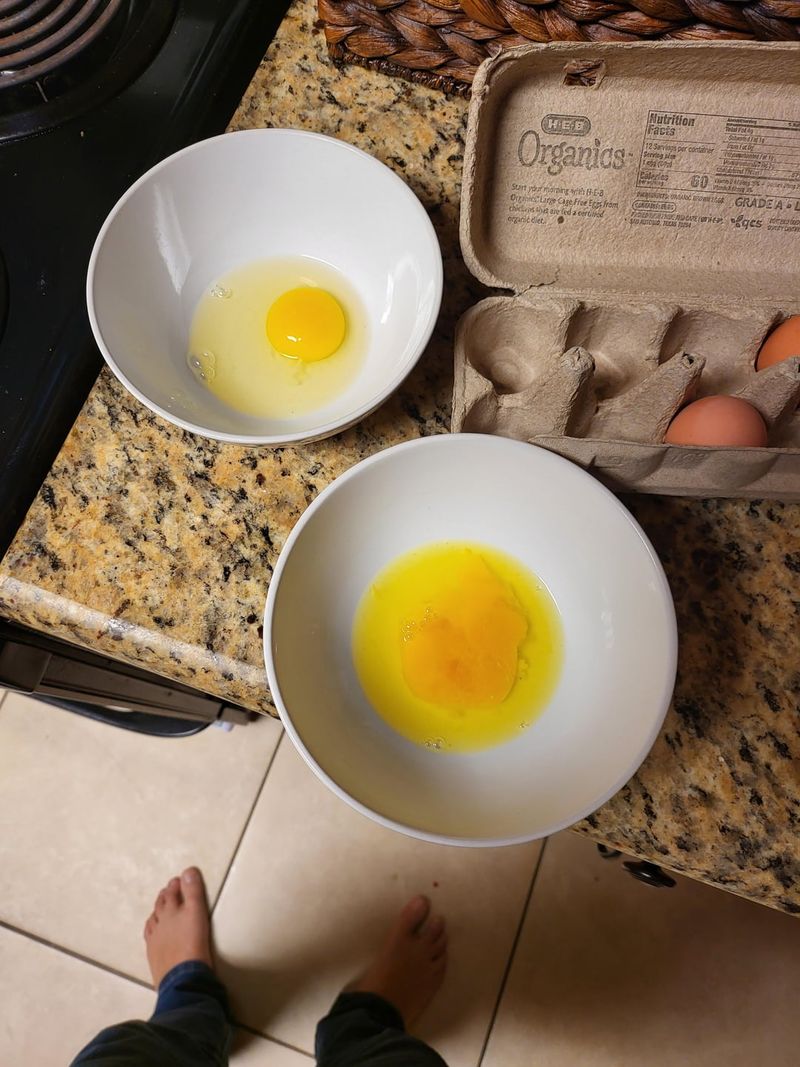
When whites spread into a thin puddle immediately, the egg is likely old. Fresh whites are thicker and hold closer to the yolk. Excessively watery whites reduce cooking quality and can signal deterioration.
While runny whites alone do not guarantee spoilage, they often come with other red flags. Check the smell and yolk shape too. Combined signs mean you should not use the egg for recipes, especially those needing structure.
4. Flat, weak yolk
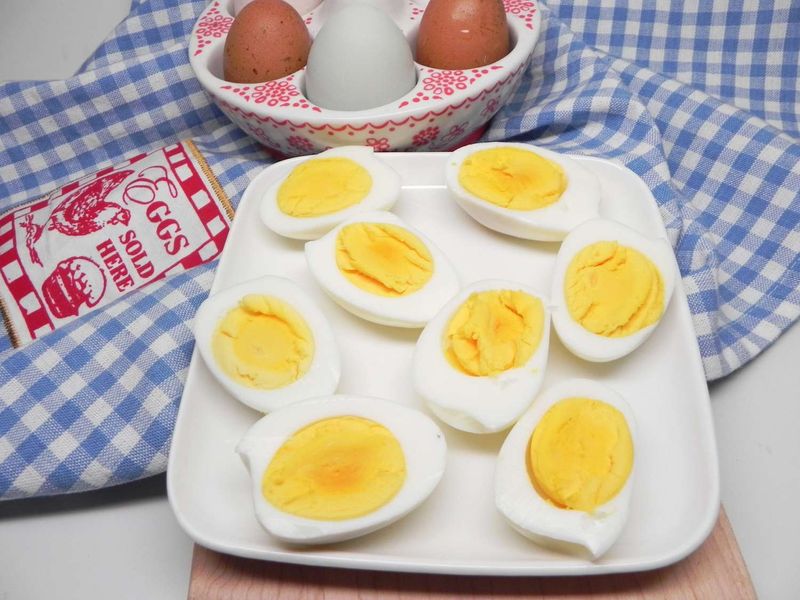
A fresh yolk sits tall and rounded. If the yolk quickly collapses into a flat disc, age is showing and quality is low. This might not always mean unsafe, but it is a strong quality downgrade.
Pair a flat yolk with watery whites or off smells, and you should discard the egg. Even without odor, baking results may suffer. Fresh, domed yolks help emulsify and add structure, so choose better eggs when possible.
5. Discoloration of whites
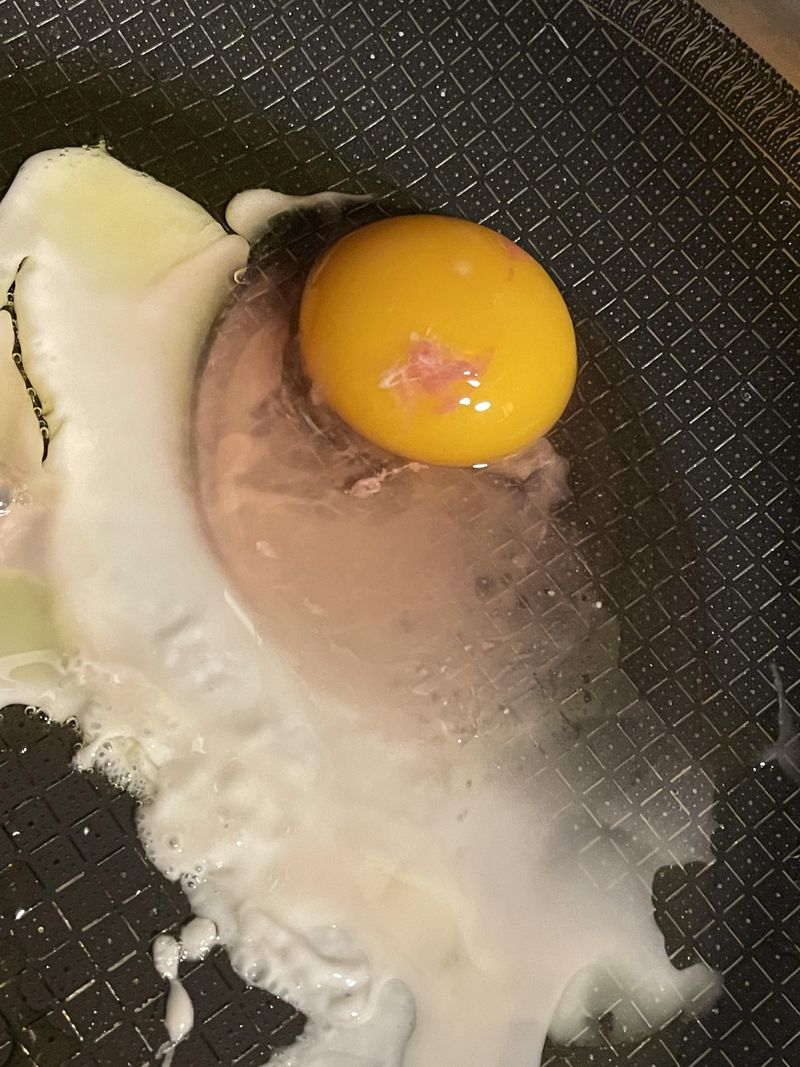
Egg whites should be clear to slightly cloudy. Pink, green, or iridescent hues can indicate bacterial growth or contamination. Any unusual tint is a reason to throw the egg out immediately.
Sometimes a harmless cloudiness appears in very fresh eggs. That is different from colored or shimmering patches. Trust your eyes and err on the side of caution if whites look off, especially combined with strange smells or textures.
6. Black or green spots inside
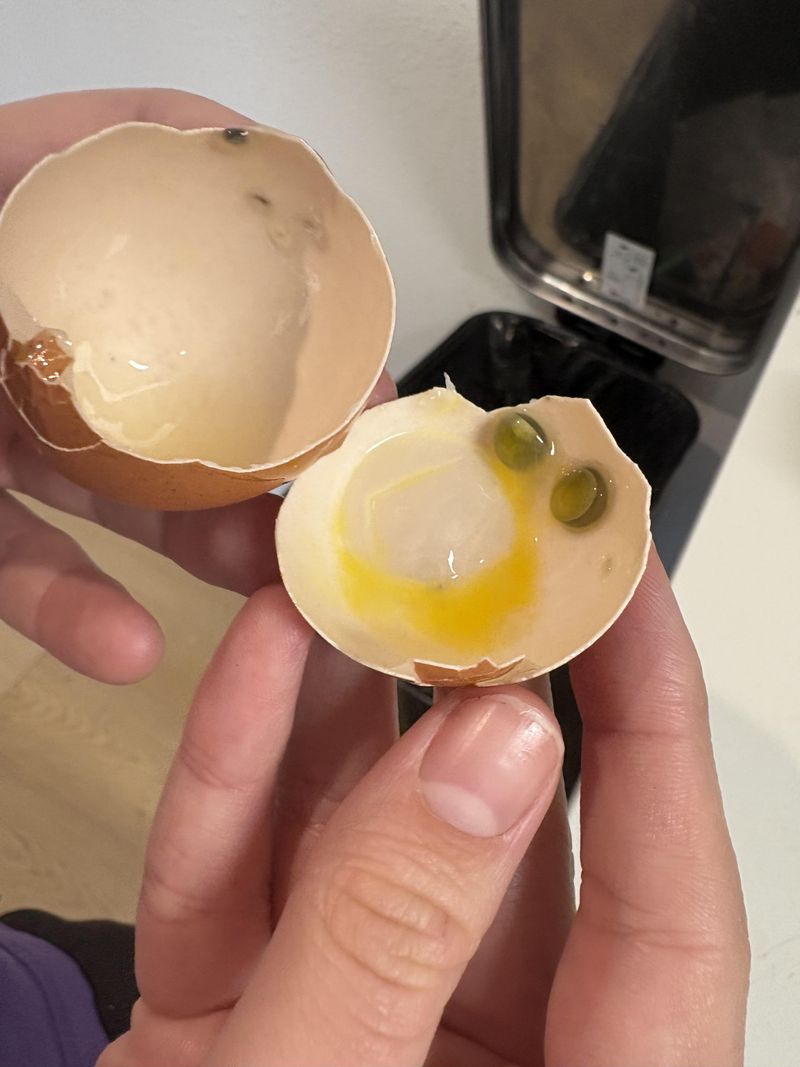
Visible black, brown, or green spots inside the egg are alarming. They may be mold or fungal contamination, meaning the egg is unsafe. Even a few specks are enough to discard.
Do not try to scoop out the spots and cook the rest. Contamination can spread beyond what you see. When in doubt, assume the entire egg is compromised and dispose of it to protect your health.
7. Unusual shell odor
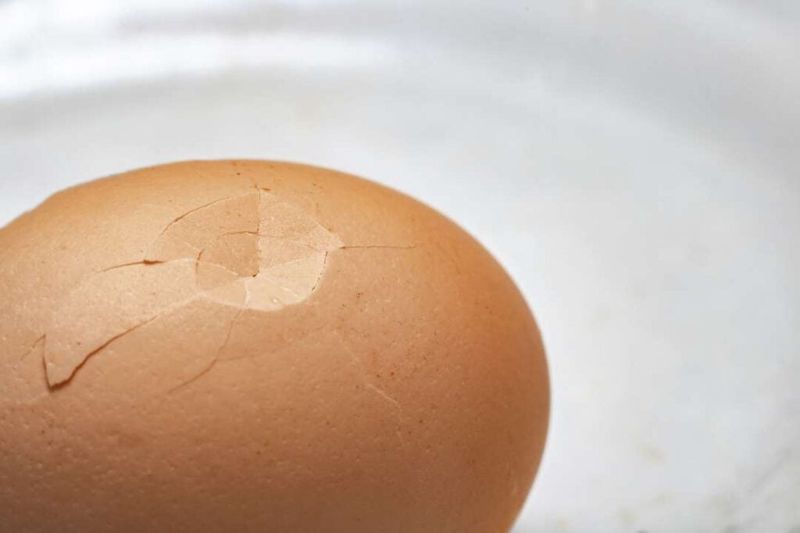
Sometimes the shell itself carries a faint foul smell before cracking. That may indicate seepage through pores or contamination on the surface. If a quick sniff reveals something off, do not proceed.
Wash hands after handling suspect eggs. Cracking them could spread odor and bacteria to your tools. It is cheaper to discard one egg than risk spoiling a whole recipe or causing foodborne illness later.
8. Cracked shell in carton
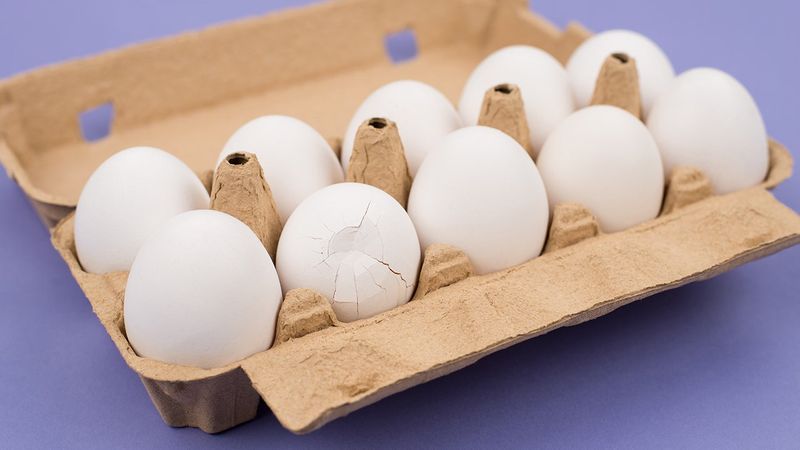
Cracks allow bacteria to enter and moisture to escape, accelerating spoilage. Even hairline fractures can pose a risk. If you spot a cracked egg in the carton, it is safer to discard it rather than gamble.
Cracks also transfer mess and contamination to neighboring eggs. Always inspect cartons at the store and again before use. A little vigilance saves you from ruined breakfasts and upset stomachs.
9. Powdery or slimy shell
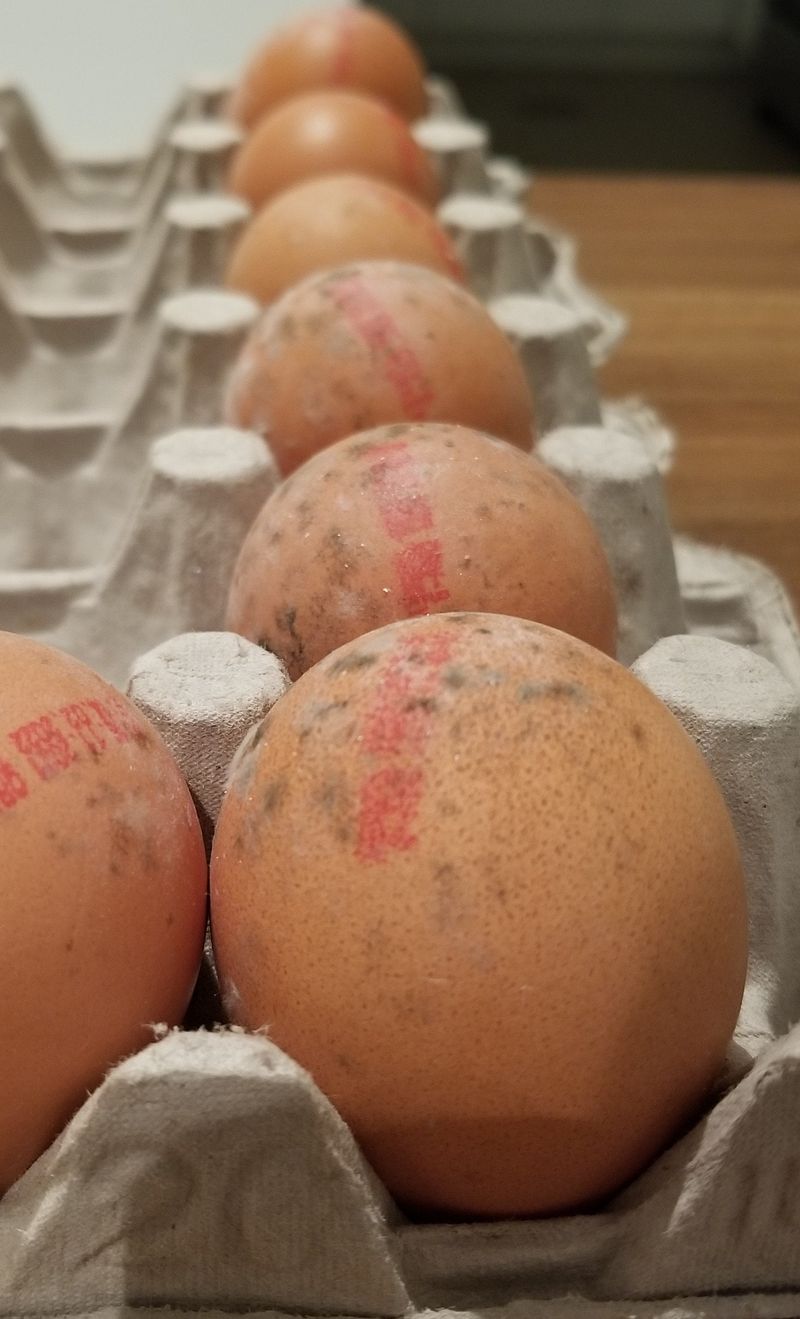
A slimy shell can indicate bacterial growth, while a powdery surface might suggest mold. Both are clear red flags. Fresh shells should feel clean and dry, with a slight natural sheen.
If the texture seems off, do not wash and use it. Discard the egg and sanitize the area where it was stored. Surface conditions often reflect internal problems you do not want to cook with.
10. Rattling sound when shaken
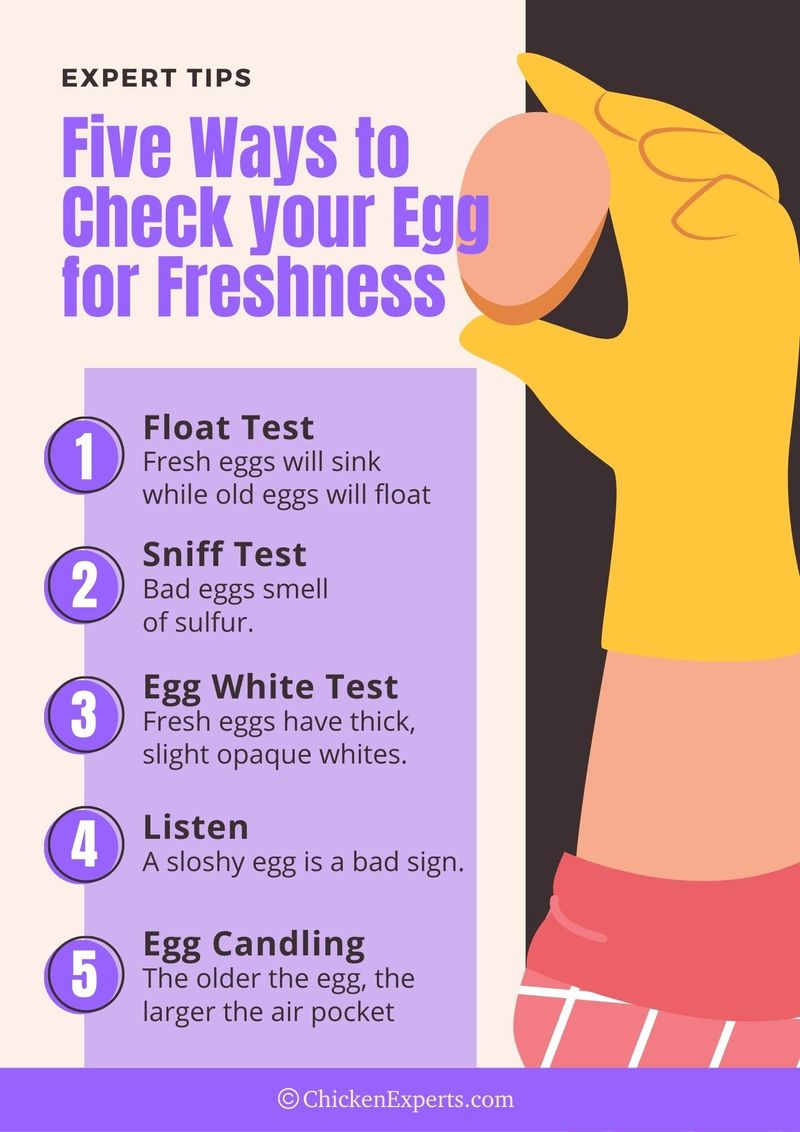
Hold an egg close to your ear and shake very gently. If you hear sloshing, the contents are likely degraded and watery from age. Fresh eggs are tight and make little to no sound.
This test is a quick screening tool, not definitive proof. Combine it with smell, float test, and appearance. If multiple signs align, discard without hesitation to avoid unsafe meals.
11. Expiration date far passed
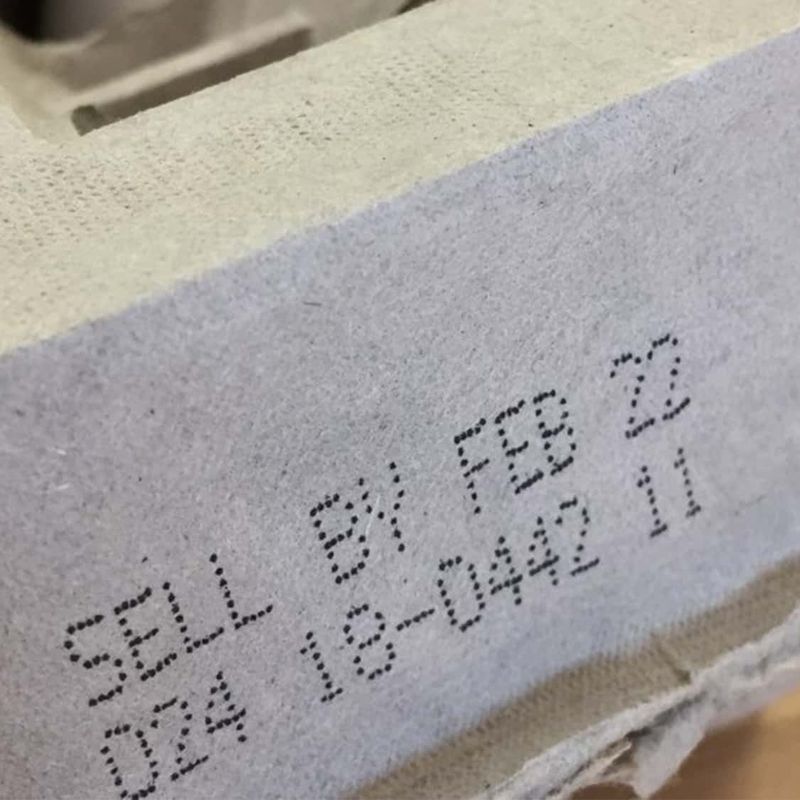
Dates on cartons are useful guides. A sell-by or best-by that is far past suggests elevated risk, especially if storage has been inconsistent. While some eggs outlast dates, caution is wise.
Do not rely on dates alone, though. Confirm with a float test and smell after cracking. If multiple indicators point negative, your safest decision is to throw the eggs away.
12. Off-putting taste after cooking
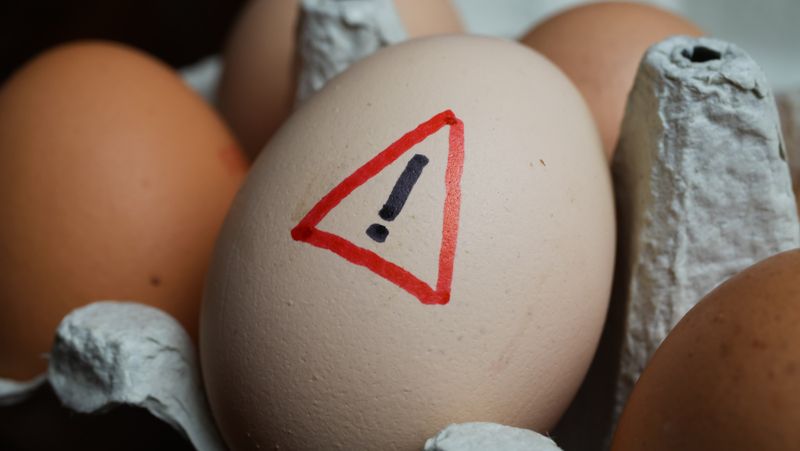
If a cooked egg tastes metallic, bitter, or unusually sulfuric, stop eating it. Taste is a late-stage warning sign when earlier checks were missed. Unfortunately, cooking cannot mask spoilage flavors safely.
Spit it out and do not save leftovers. Clean utensils and pans well. Next time, run smell, float, and visual tests first to avoid reaching the tasting stage entirely.
13. Excessive air cell
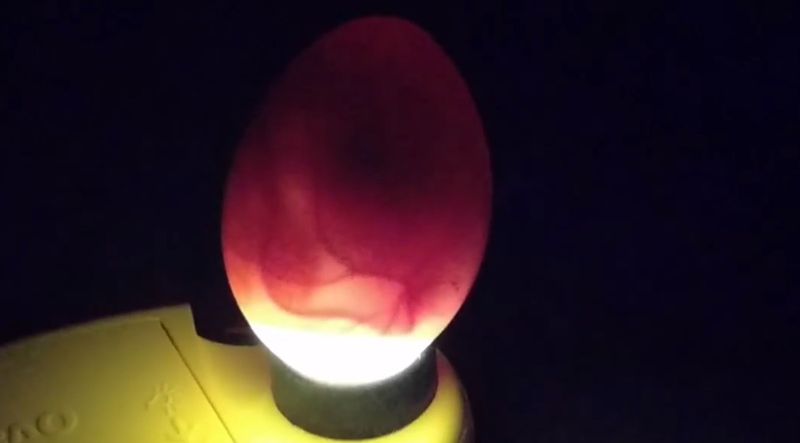
As eggs age, moisture and carbon dioxide escape, enlarging the air cell. A very large air pocket during candling signals an old egg past prime. This often aligns with runny whites and flat yolks.
While not always unsafe, quality and reliability drop significantly. If other signs appear, discard it. Candling gives a quick peek inside without cracking, helpful when deciding which eggs to use first.
14. Blood spots plus odor
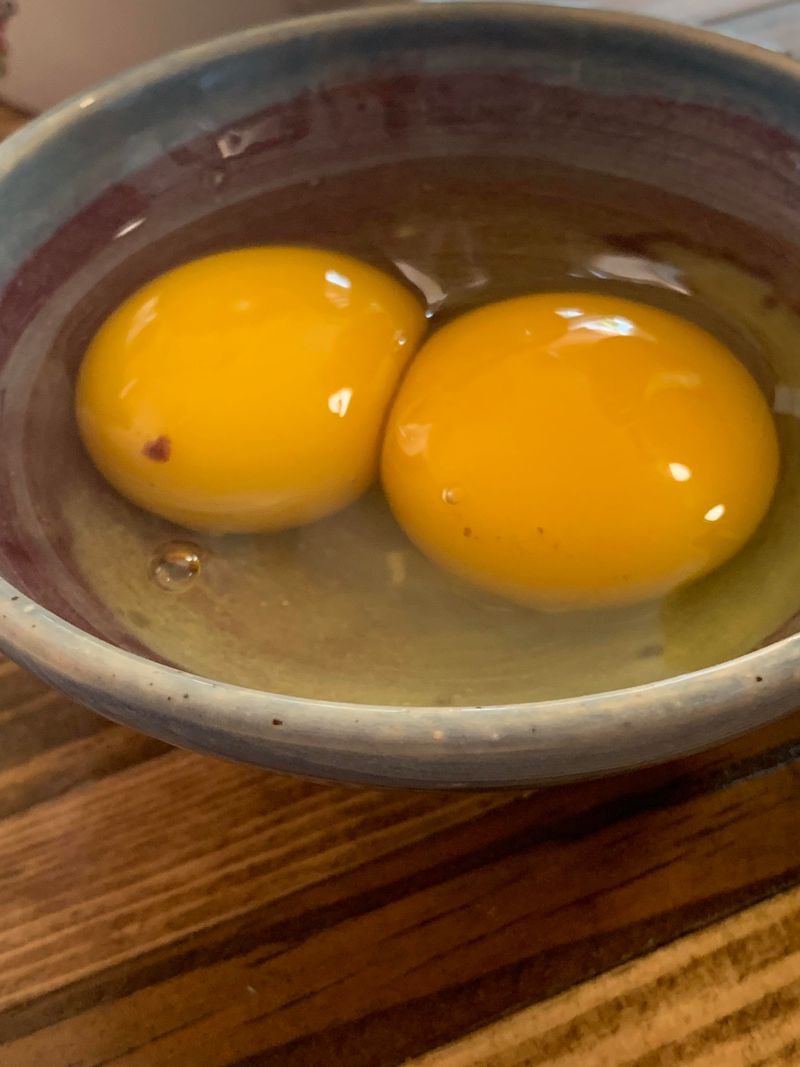
Blood spots alone are generally harmless and natural. But if they appear alongside an off smell or unusual discoloration, that combination is concerning. Trust the overall picture rather than one feature.
When in doubt, discard and move on. Safety beats salvaging a questionable egg. Keep backups on hand so you never feel forced to use something suspicious.
15. Green ring after boiling with odor
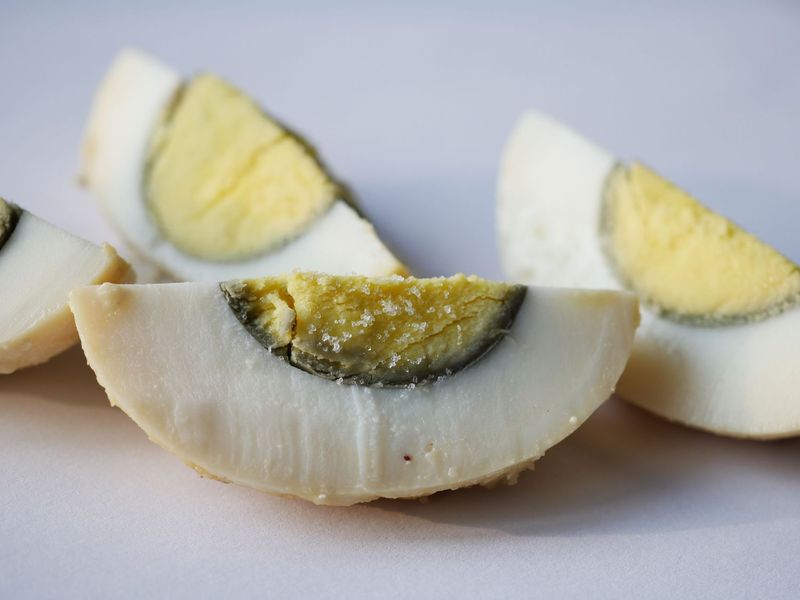
A green ring around a hard boiled yolk can result from overcooking or high iron, not necessarily spoilage. However, if a sulfur odor accompanies that ring, it is suspicious. Use your nose and judgment.
If smell is strong or the texture feels chalky and unpleasant, skip eating it. Proper timing and cooling reduce harmless rings. Still, odor changes turn a cosmetic issue into a safety concern.
16. Shell stuck-on residue or stains
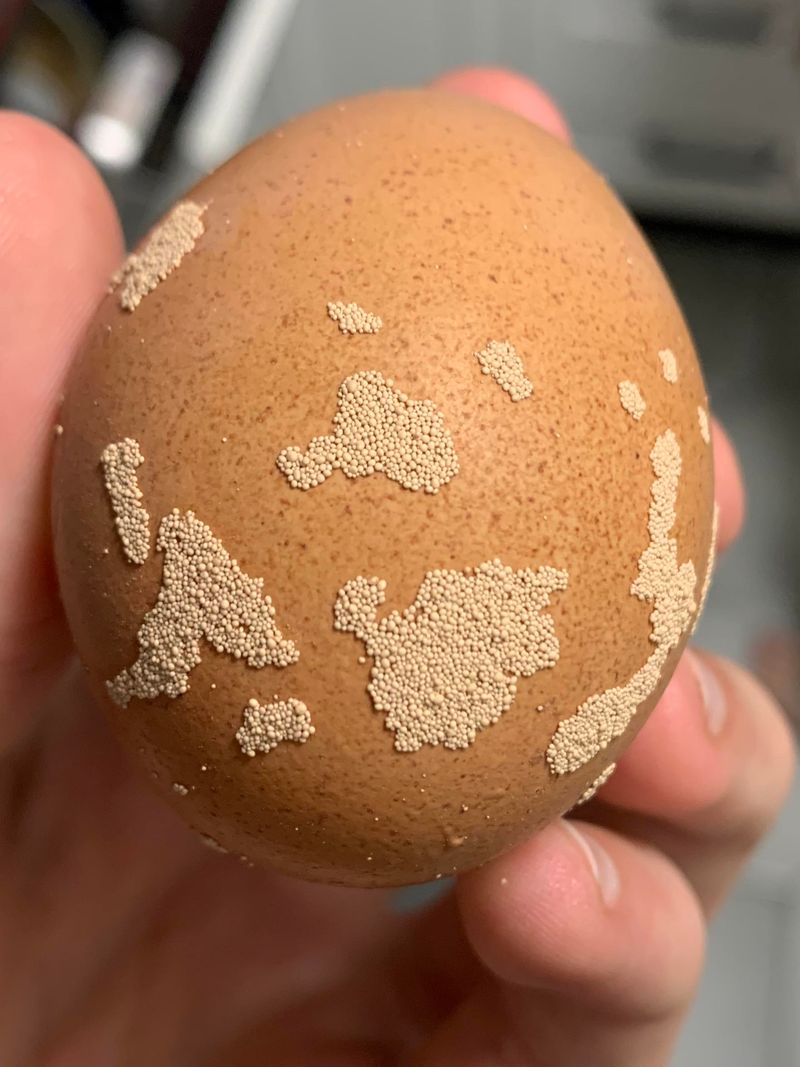
Sticky or stained shells can indicate leakage or contamination from other eggs or surfaces. That can invite bacteria through the shell’s pores. Clean storage helps, but once residue is present, caution is wise.
If stains do not rinse easily or there is any odor, discard the egg. Prevent future mess by storing eggs in original cartons and keeping them dry. Good storage is your first defense.
17. Slimy or thickened whites after cooking
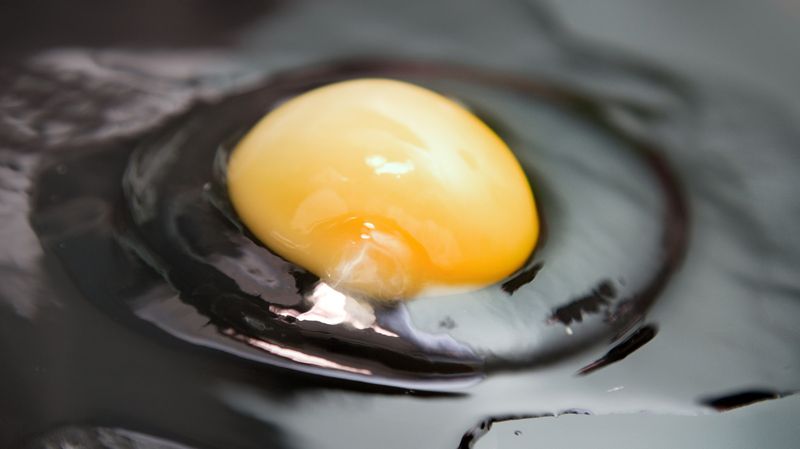
Cooked whites should firm up cleanly. If they remain slimy, stringy, or unusually thick in clumps, they may have started with quality issues or spoilage. Texture that does not set properly is a red flag.
Trust your senses. If taste or smell also seems off, throw the dish away. Starting with fresh eggs improves texture and reduces waste in the kitchen.
18. Yolk breaks instantly
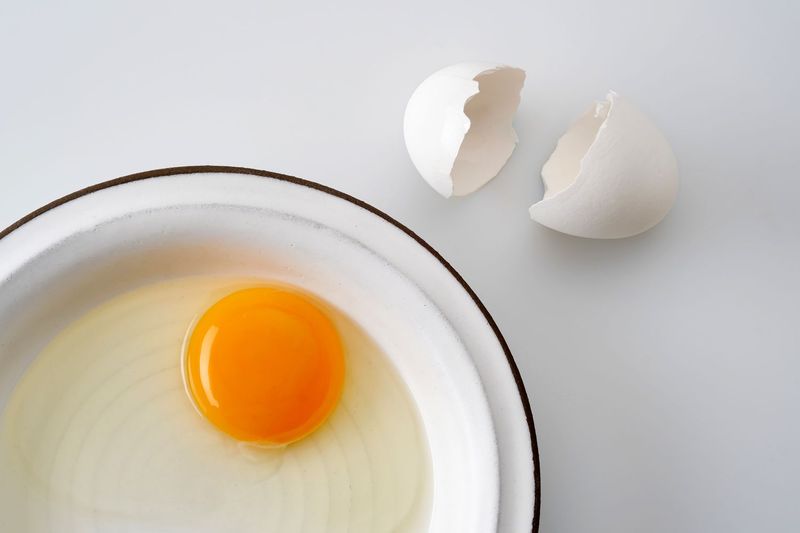
A yolk that breaks with almost no pressure suggests a weakened membrane, typical of older eggs. While not solely proof of spoilage, it points to declining quality. Delicate recipes like poaching will suffer.
Combine this sign with odor, float results, or unusual whites to decide. When several indicators align, discard rather than risk foodborne illness. Choose fresher eggs for recipes that need structure.
19. Odd foam or bubbles when beaten

Excessive foaming or big, persistent bubbles when whisking can signal age or contamination. Fresh eggs incorporate air smoothly and evenly. Strange foam combined with odor is a serious warning.
If you notice this, stop and inspect the eggs individually. Smell and look for discoloration. It is better to waste a bowl than risk serving unsafe food to anyone.
20. Iridescent sheen on whites
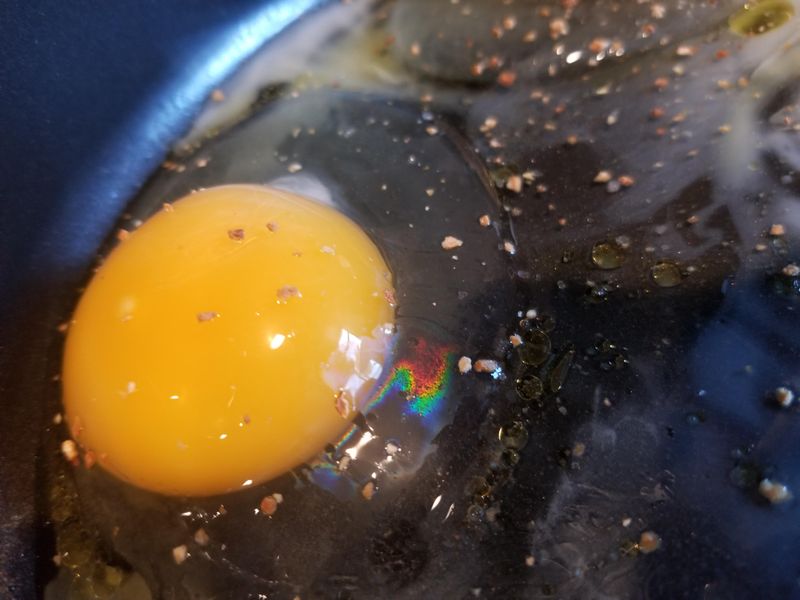
A rainbow sheen on raw egg whites can point to microbial activity or chemical change. Fresh whites look clear without shimmering colors. If you see iridescence, discard immediately.
Do not try to cook it away. Heat does not guarantee safety once spoilage starts. Your safest move is to start over with a new egg and clean your tools.
21. Shell thins or feels fragile
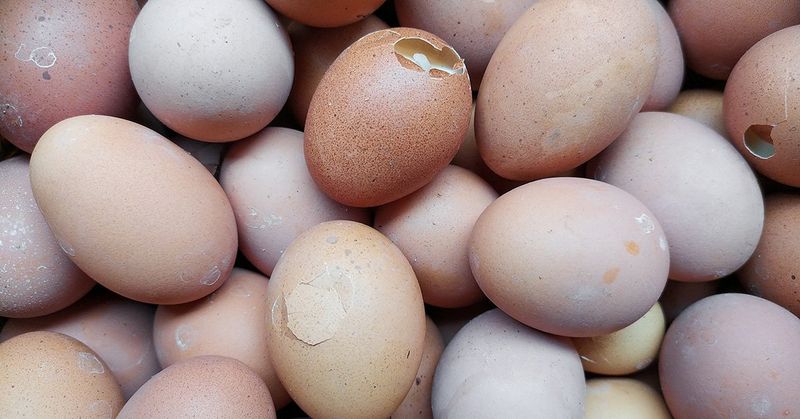
Over time, shells can lose moisture and feel more fragile or oddly thin. That change often accompanies a larger air cell and runny whites. It signals age and possible spoilage soon.
If the shell feels unusually delicate, check with a float test and a sniff after cracking. When multiple signs agree, choose safety and discard. Keep eggs refrigerated consistently to delay this change.
22. Off-color yolk with smell
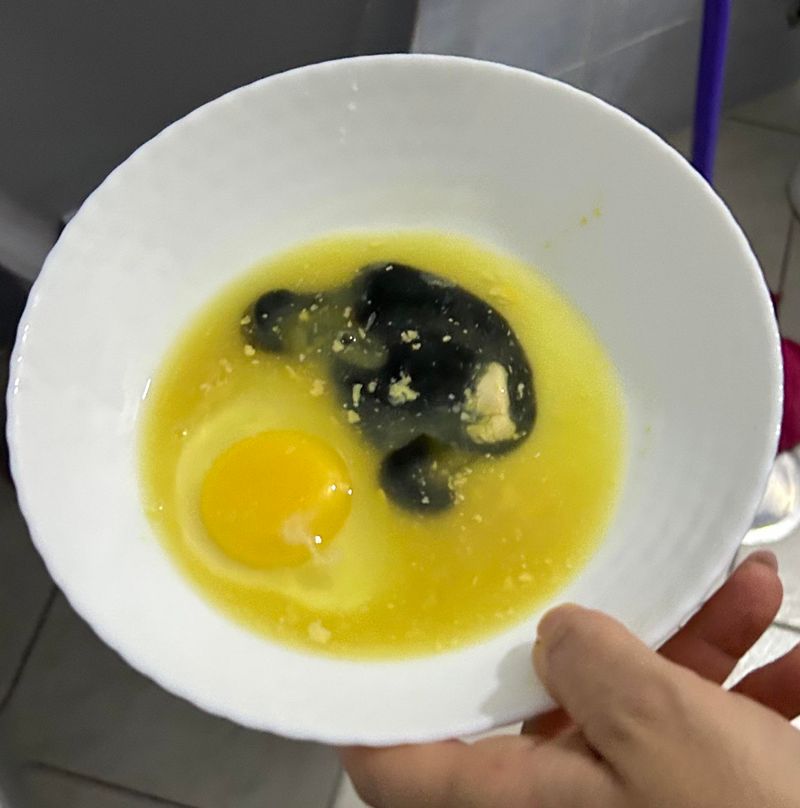
Yolk color varies with diet, but a gray, milky, or oddly dull yolk paired with an unpleasant smell is problematic. Color alone is not definitive, yet odor seals the verdict. Do not risk it.
Use multiple cues before deciding. When smell, color, and texture all seem wrong, there is no reason to continue. Discard the egg and sanitize surfaces to avoid cross contamination.
23. Sticky albumen strands

Some chalaza strands are normal, but excessively sticky, ropey albumen suggests deterioration. The whites should separate cleanly without stubborn clumps. If they cling and resist, quality is likely poor.
Check for odor and discoloration to confirm. When several minor signs add up, choose caution. Better eggs make better dishes, and your stomach will thank you.
24. Unexpected fizzing sound
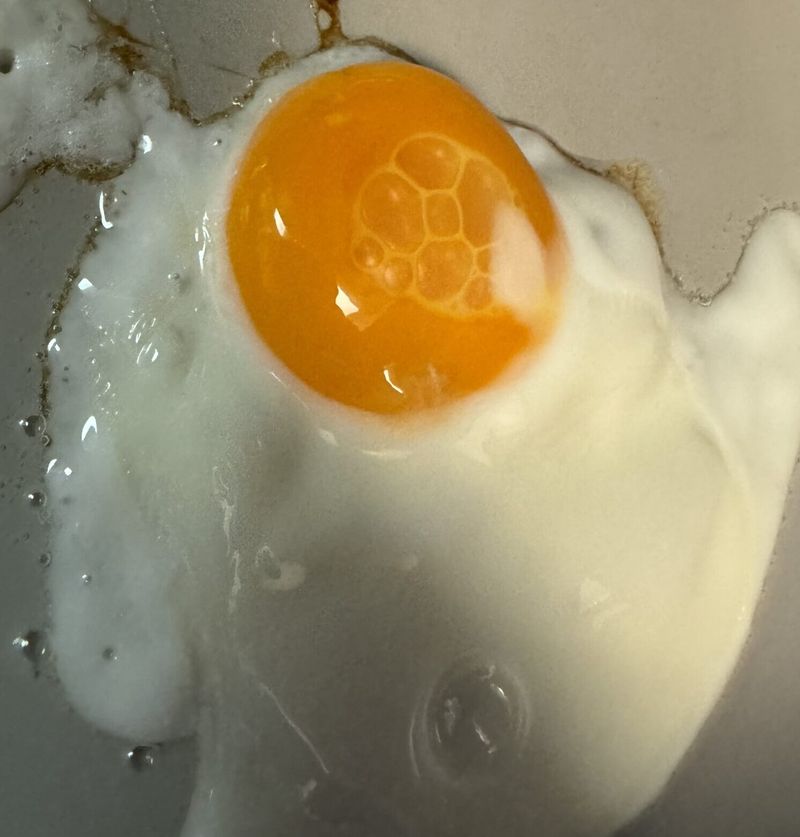
Faint fizzing or bubble activity after cracking can indicate microbial gas release. Eggs should sit quietly in the bowl. Audible bubbling is not normal and warrants discarding immediately.
Even if the smell seems mild, do not ignore this sign. Microbial activity can escalate with warmth. Toss the egg and clean your tools thoroughly.
25. Moldy carton or damp storage
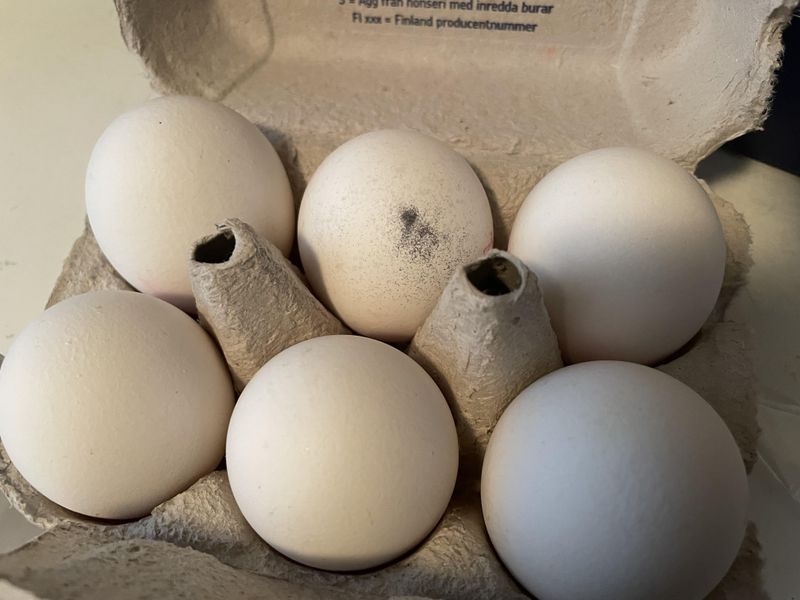
A damp, moldy carton can contaminate otherwise acceptable eggs through the shell’s pores. Moisture invites bacteria to thrive. If storage conditions look suspect, increase scrutiny or discard.
Transfer good eggs to a clean, dry container if you are confident they are safe. Otherwise, it is better to cut losses than gamble on compromised storage conditions.
26. Popped shell bubbles after boiling
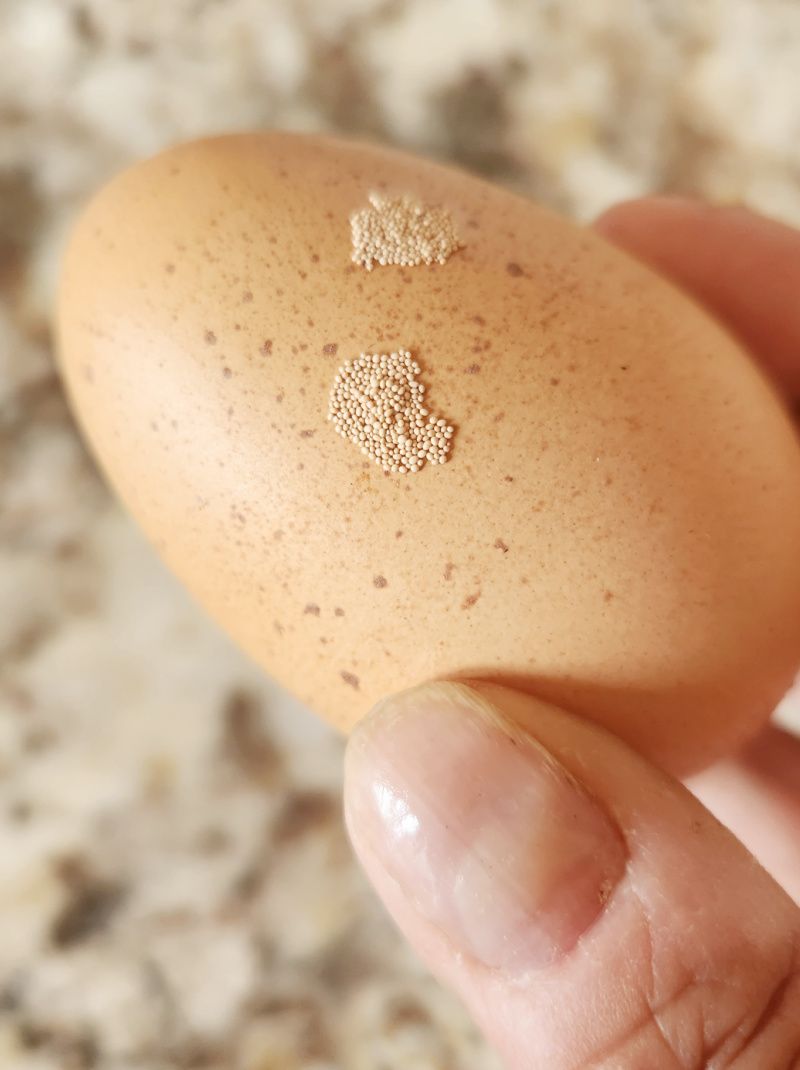
Occasional small bubbles on boiled shells are normal, but numerous popped blisters can suggest older, porous shells and internal gas. That often aligns with a larger air cell and stronger odors when peeled.
If the peeled egg smells odd or feels rubbery and dry, skip eating it. Use fresher eggs next time for smoother boiling results and better texture.
27. Grayish-white film on raw surface
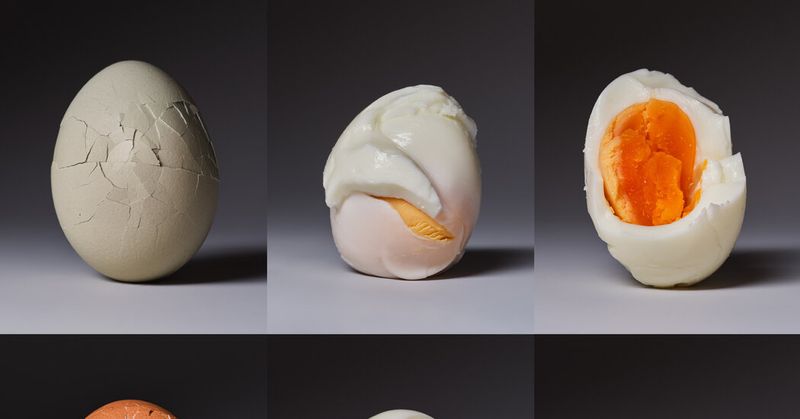
A dull, grayish film over the surface of the whites can indicate protein breakdown or contamination. Fresh whites are glossy and clear. Any murky film should raise concern.
Pair this sign with smell and yolk shape to decide. If multiple cues suggest decline, do not cook it. Starting fresh ensures safety and consistent results.
28. Persistent refrigerator odors absorbed

Eggs are porous and can absorb strong fridge odors. While not always unsafe, absorption can mask or confuse spoilage smells. If an egg smells like last night’s fish, trust other tests before using.
Store eggs away from pungent foods and keep them in closed cartons. When the smell is confusing and other signs look poor, discard to be safe.