8 Cheap Foods To Buy And 7 Cheap Foods To Skip

Eating well on a tight budget is totally possible, but knowing which foods are actually worth your money makes all the difference. Some cheap foods pack incredible nutrition and stretch your dollar far, while others seem like a deal but end up costing you more than you think.
Whether you are trying to save at the grocery store or just shop smarter, this guide breaks down exactly what to grab and what to leave on the shelf.
1. Buy: Legumes (Dry and Canned Beans and Lentils)
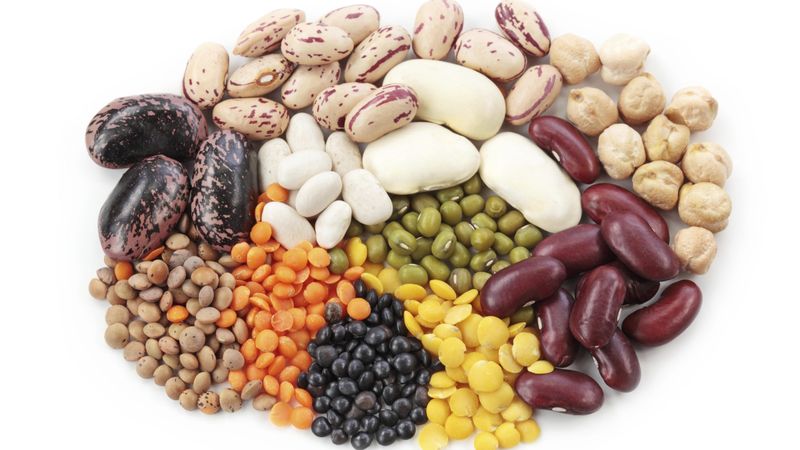
A single bag of dried lentils or beans can feed a family for just a couple of dollars, making legumes one of the smartest buys in any grocery store. They are loaded with protein, fiber, iron, and potassium, giving your body serious fuel without draining your wallet.
Research shows they can even help lower bad cholesterol levels. Toss them into soups, stews, tacos, or salads for easy, filling meals all week long.
2. Buy: Eggs
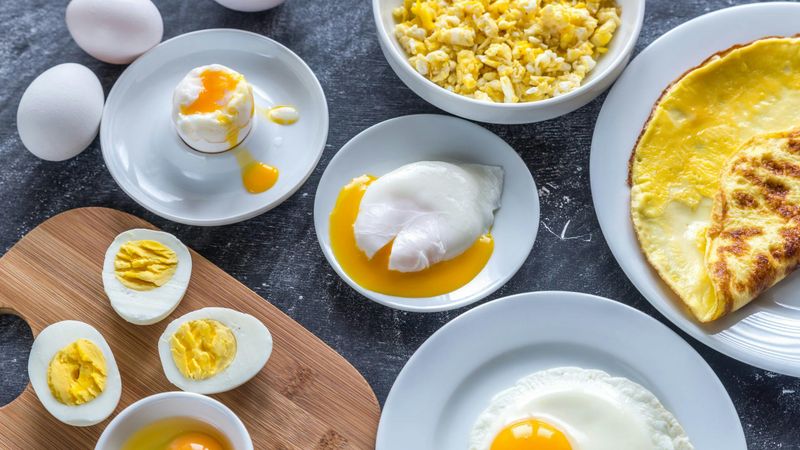
Eggs might just be the most hardworking food in your kitchen. For just a few dollars a dozen, you get a powerhouse of protein, vitamins B12 and D, healthy fats, and minerals that support brain and muscle health.
They work at every meal, from scrambled eggs at breakfast to a quick fried egg over rice at dinner. Few foods offer this much nutrition at such a low price, making eggs a no-brainer budget staple.
3. Buy: Brown Rice
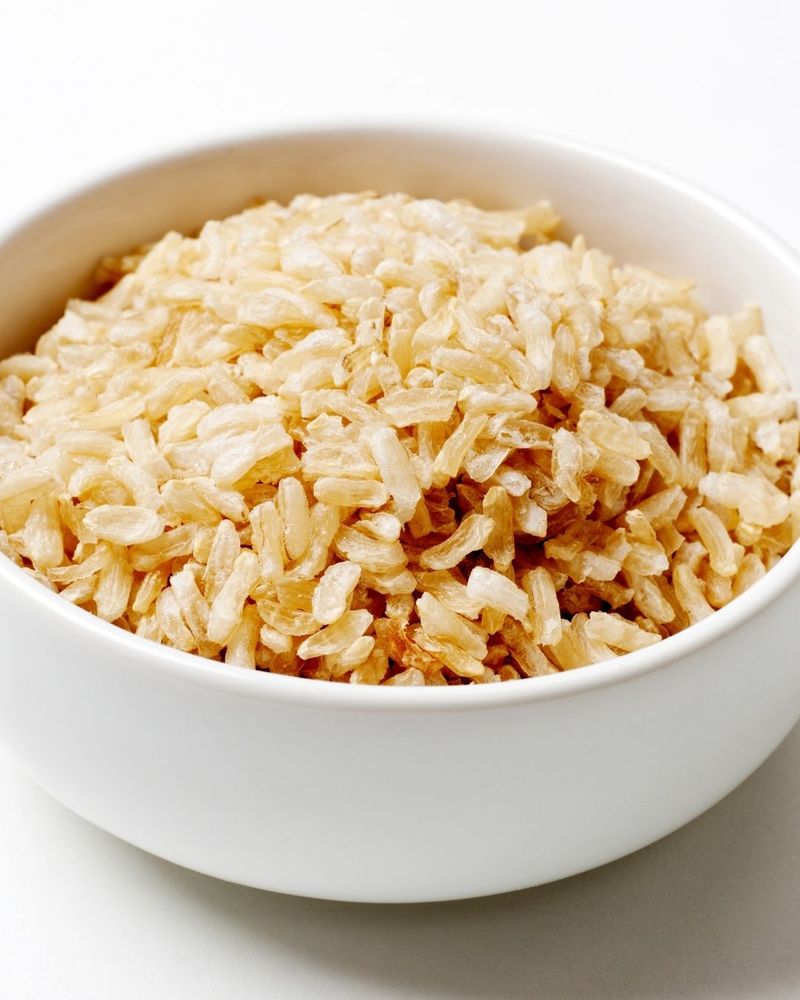
Brown rice has been feeding communities around the world for centuries, and there is a very good reason for that. A large bag costs just a few dollars and can last weeks, providing a filling, fiber-rich base for countless meals.
Unlike white rice, brown rice keeps its outer bran layer, which means more nutrients like magnesium and B vitamins stay intact. Studies also suggest eating whole grains like brown rice may help reduce the risk of diabetes and heart disease.
4. Buy: Oats and Oatmeal
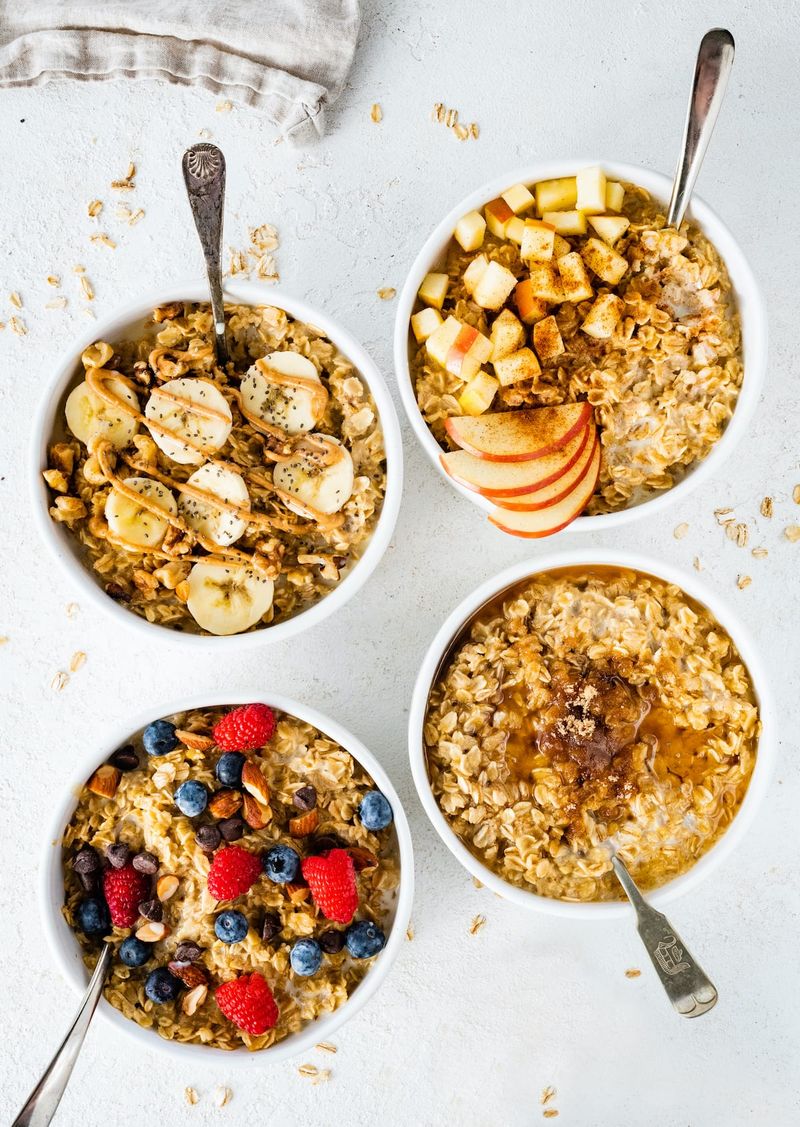
Starting your morning with oatmeal is one of the cheapest and most nutritious choices you can make. A large canister of rolled oats typically costs under three dollars and provides weeks of hearty breakfasts packed with soluble fiber, iron, magnesium, and zinc.
That soluble fiber, called beta-glucan, is especially good at helping to lower cholesterol. Top your bowl with a banana or some frozen berries and you have a genuinely satisfying meal for barely any money at all.
5. Buy: Frozen Fruits and Vegetables
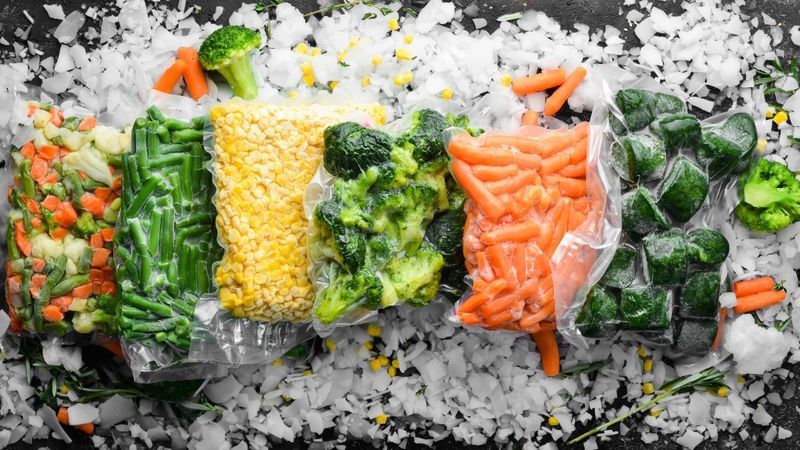
Here is something many shoppers do not realize: frozen produce is often just as nutritious as fresh, sometimes even more so. Fruits and vegetables destined for freezing are picked at peak ripeness and flash-frozen immediately, which locks in vitamins and minerals at their highest levels.
They also cost less than fresh options and last for months in your freezer, meaning almost zero food waste. Keeping a few bags of frozen spinach, berries, or broccoli on hand is a genuinely smart budget move.
6. Buy: In-Season and Local Produce
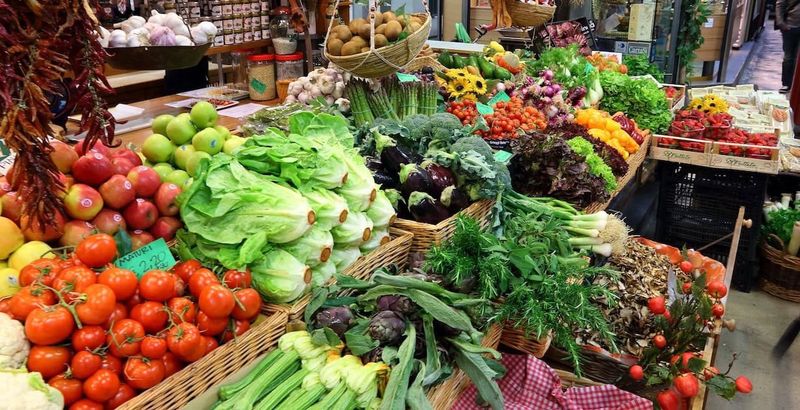
Buying produce that is in season locally is one of the easiest ways to eat fresh, flavorful food without overspending. When fruits and vegetables are harvested at the right time of year and do not travel far, they cost less and taste significantly better.
Think crisp autumn apples, summer tomatoes, or winter sweet potatoes. Bananas, carrots, cabbage, and spinach are affordable year-round options in most areas.
Shopping seasonally also supports local farmers, which is a bonus worth feeling good about.
7. Buy: Canned Fish (Tuna, Salmon, Sardines)
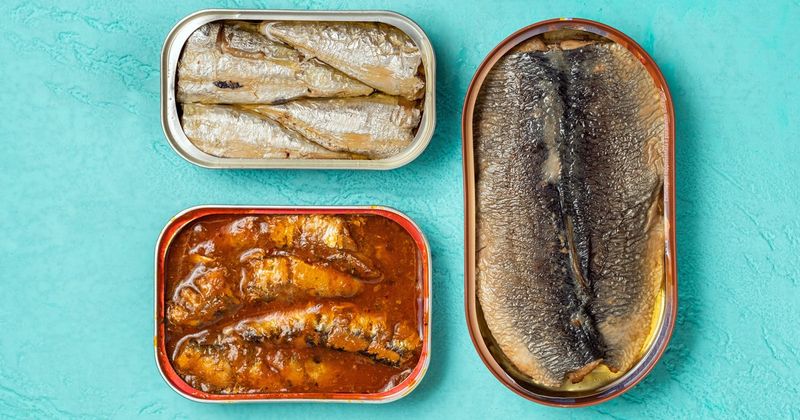
Canned fish is one of the most underrated budget foods out there. A can of tuna or sardines typically costs under two dollars and delivers a solid dose of omega-3 fatty acids, high-quality protein, and important minerals like selenium and vitamin D.
Omega-3s are essential for brain health and reducing inflammation, and getting them from canned fish is far cheaper than buying fresh fillets. Best of all, canned fish requires zero prep work, making it a fast and practical option for busy days.
8. Buy: Potatoes and Sweet Potatoes
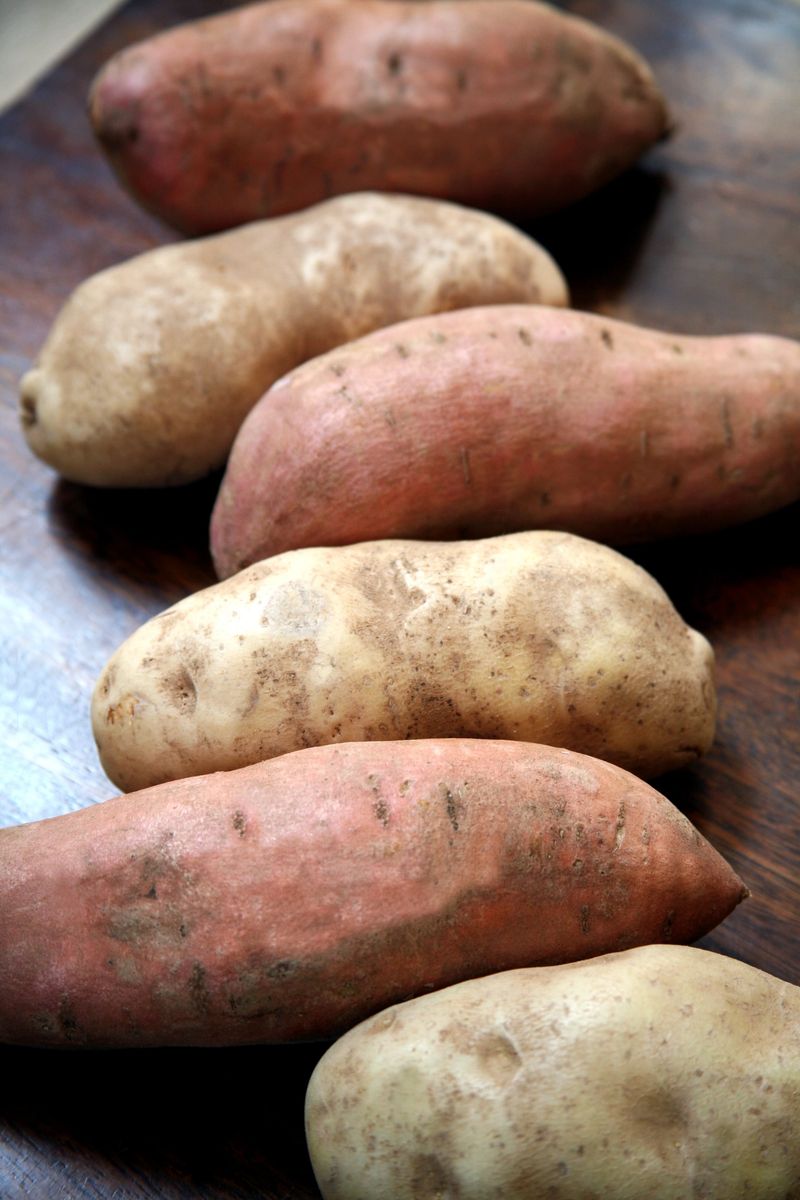
Potatoes have a bit of an unfair reputation, but nutritionally speaking, they are genuinely impressive. Both russet and sweet potatoes are packed with potassium, vitamin C, and B vitamins, and sweet potatoes are especially rich in beta-carotene, which your body converts into vitamin A.
They are also incredibly cheap, often selling for under a dollar per pound, and endlessly versatile. Baked, boiled, mashed, or roasted, potatoes are a satisfying, nutrient-dense food that earns its place in any budget kitchen.
9. Skip: Pre-Cut Fruits and Vegetables
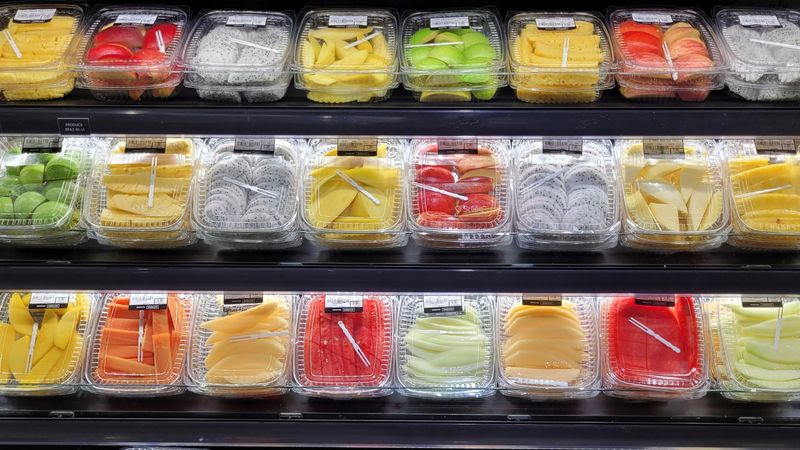
Those neat little trays of pre-cut mango, diced onions, and broccoli florets in the produce section sure look convenient, but you are paying a steep price for that ease. The markup on pre-cut produce is typically 40 percent or more compared to buying the whole item.
A whole pineapple might cost two dollars, while the same amount pre-cut could run you five or six. Grabbing a cheap knife and spending five extra minutes chopping at home is absolutely worth the savings.
10. Skip: Individual Snack Packs
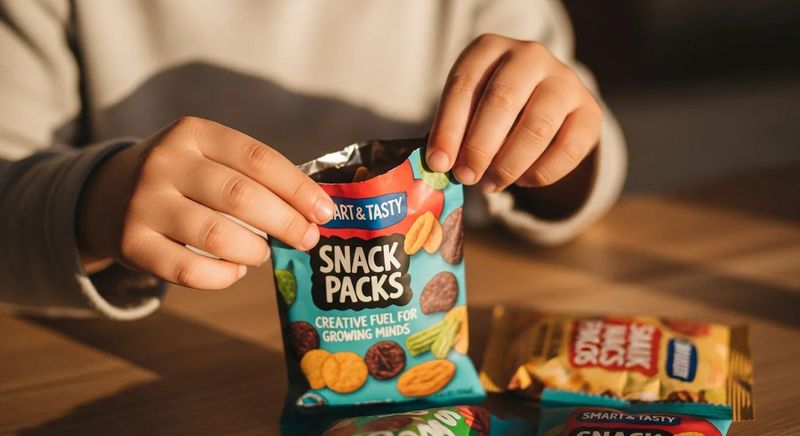
Single-serving snack packs feel like a smart portion-control tool, but your wallet takes the hit every time you buy them. Ounce for ounce, individual portions can cost around 30 percent more than buying the same snack in a larger bag.
You are essentially paying extra for the packaging and the convenience of having it split up for you. A much smarter move is buying the full-size bag and portioning it yourself into small reusable containers or zip-lock bags at home.
11. Skip: Out-of-Season Produce
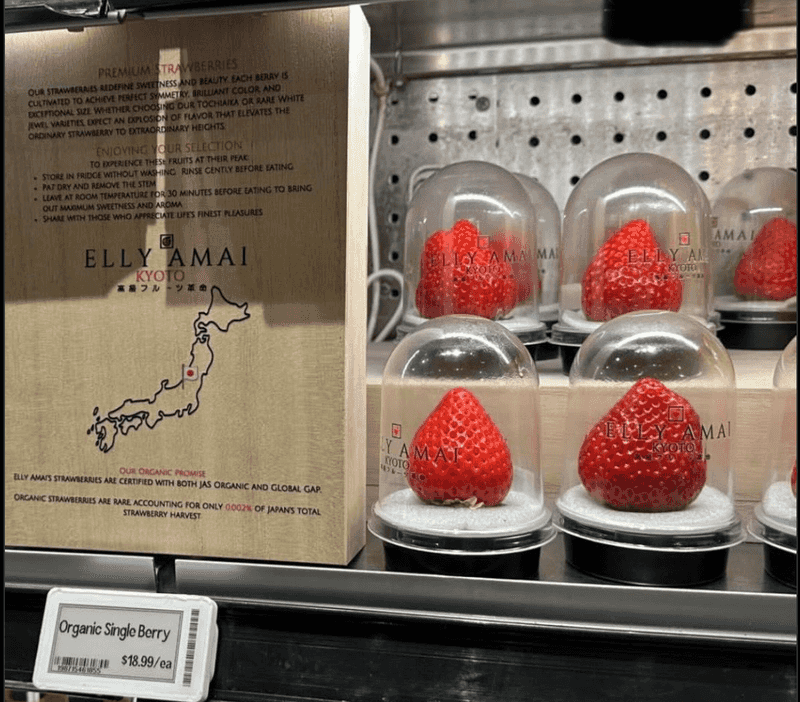
Craving strawberries in December or asparagus in October? That craving comes with a serious price tag.
When produce is out of season, it has to be shipped from far-away regions or grown in energy-intensive greenhouses, and those extra costs get passed straight to you at checkout.
Not only are out-of-season fruits and vegetables more expensive, they often taste bland and have lower nutritional value compared to in-season options. Waiting for the right season, or choosing frozen alternatives instead, saves real money.
12. Skip: Name-Brand Cereal
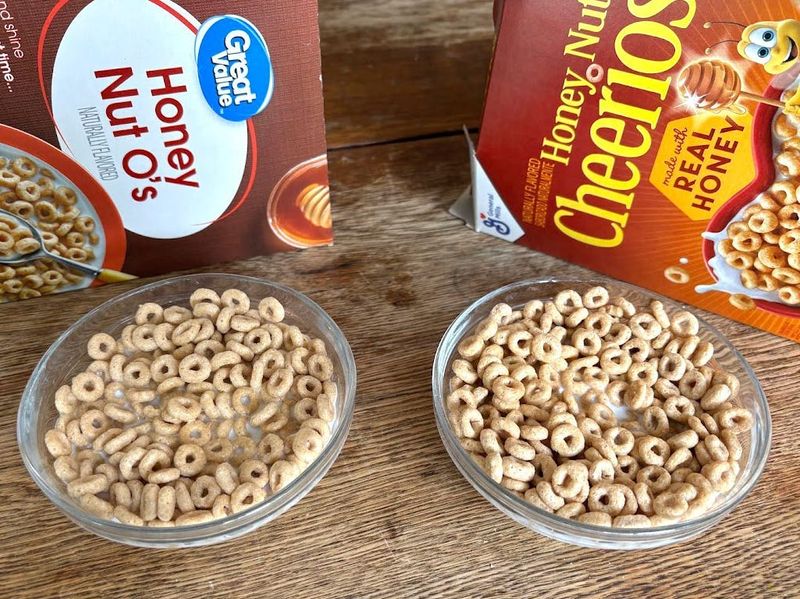
Spending four or five dollars on a name-brand breakfast cereal when the store-brand version sitting right next to it costs half as much rarely makes sense. In most cases, the ingredients list and nutritional content are nearly identical between the two.
The main difference is the colorful mascot on the box and the marketing budget behind it. Store-brand cereals are often made in the same facilities as their famous counterparts.
Switching is one of the simplest grocery swaps that saves money without sacrificing anything meaningful.
13. Skip: Grocery Store Spices and Pre-Mixed Blends
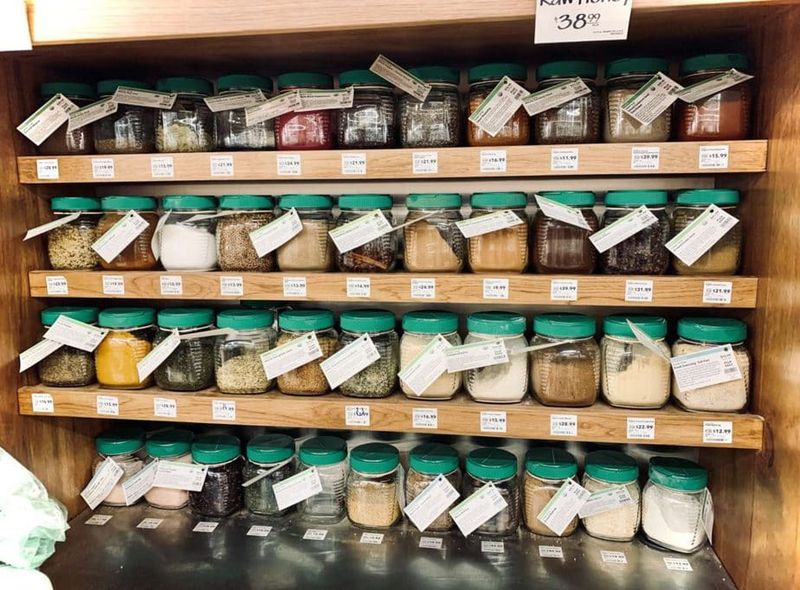
Buying spices from the regular grocery store spice aisle can quietly drain your budget without you even noticing. Those tiny jars often cost two to four dollars each, while buying the same spice in bulk from a specialty store or ethnic market can cost a fraction of that price.
Pre-mixed spice blends like taco seasoning or Italian seasoning mark up even more since you are paying for the blending and the packaging. Making your own blends from individually purchased bulk spices is cheaper and often tastier.
14. Skip: Individual Flavored Yogurt Cups
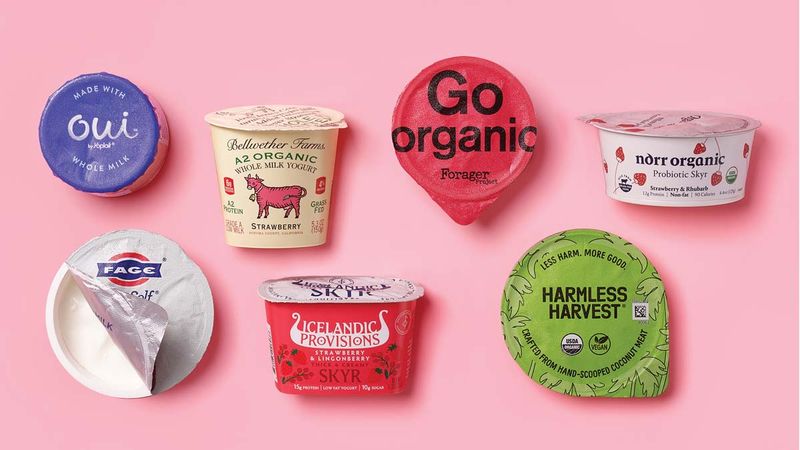
Those cute little flavored yogurt cups are practically designed to make you spend more. Per ounce, individual flavored yogurts can cost roughly three times more than buying a large tub of plain, full-fat yogurt, and they often come loaded with added sugars to boot.
A big container of plain yogurt gives you a blank canvas you can customize yourself with fresh fruit, honey, or granola. You control the sugar content and save a significant amount of money over time with this one easy swap.
15. Skip: Bagged Salad and Pre-Washed Mixed Greens
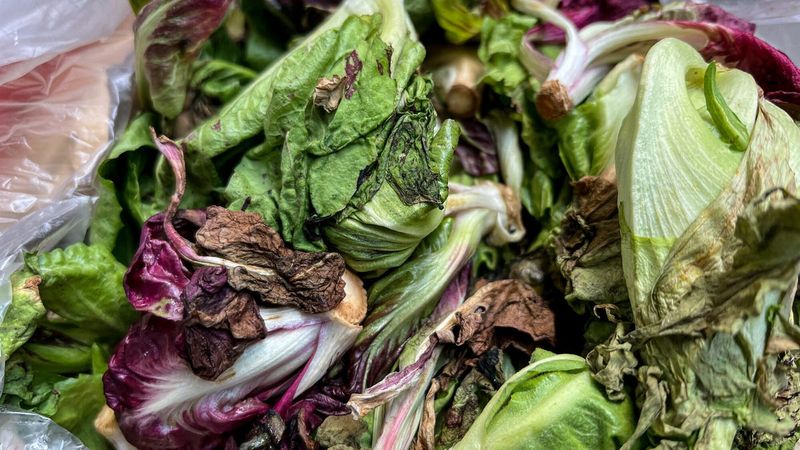
Bagged salads seem like a fresh, healthy convenience, but studies suggest that between 20 and 40 percent of bagged salad gets thrown away before it is even eaten, often because it wilts or goes slimy surprisingly fast after opening.
That wasted food is also wasted money, and the bags cost noticeably more per serving than buying a whole head of lettuce or a head of cabbage. A whole cabbage, for example, lasts much longer, costs less, and shreds easily into a fresh salad in minutes.