How 16 Foods Ended Up With Odd Names
Food names can be wonderfully strange. Why is a burrito named after a little donkey?
How did a pie end up being called a cake? The stories behind these quirky food names are packed with history, mispronunciations, and some genuinely funny mix-ups that make eating a lot more interesting.
1. Grasshopper Pie
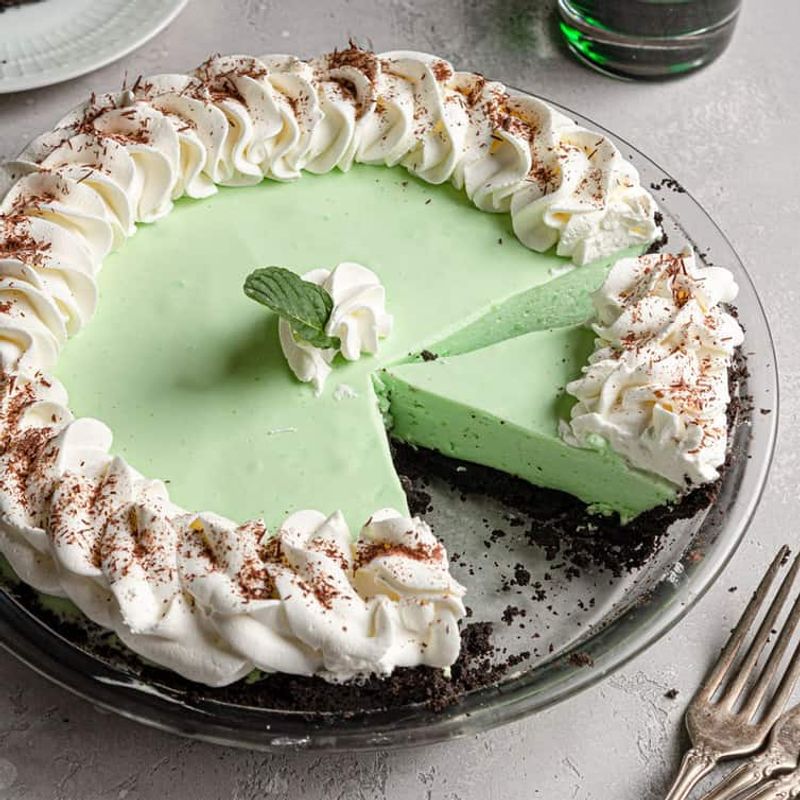
No actual insects were harmed in the making of this dessert. Grasshopper pie gets its unusual name purely from its vivid, eye-catching green color, which comes from creme de menthe liqueur or mint flavoring.
The color reminded people of the iconic green of a grasshopper’s body.
The same goes for the grasshopper cocktail, which shares the same minty green hue. It is a fun reminder that food names are sometimes all about looks, not ingredients.
2. Eton Mess
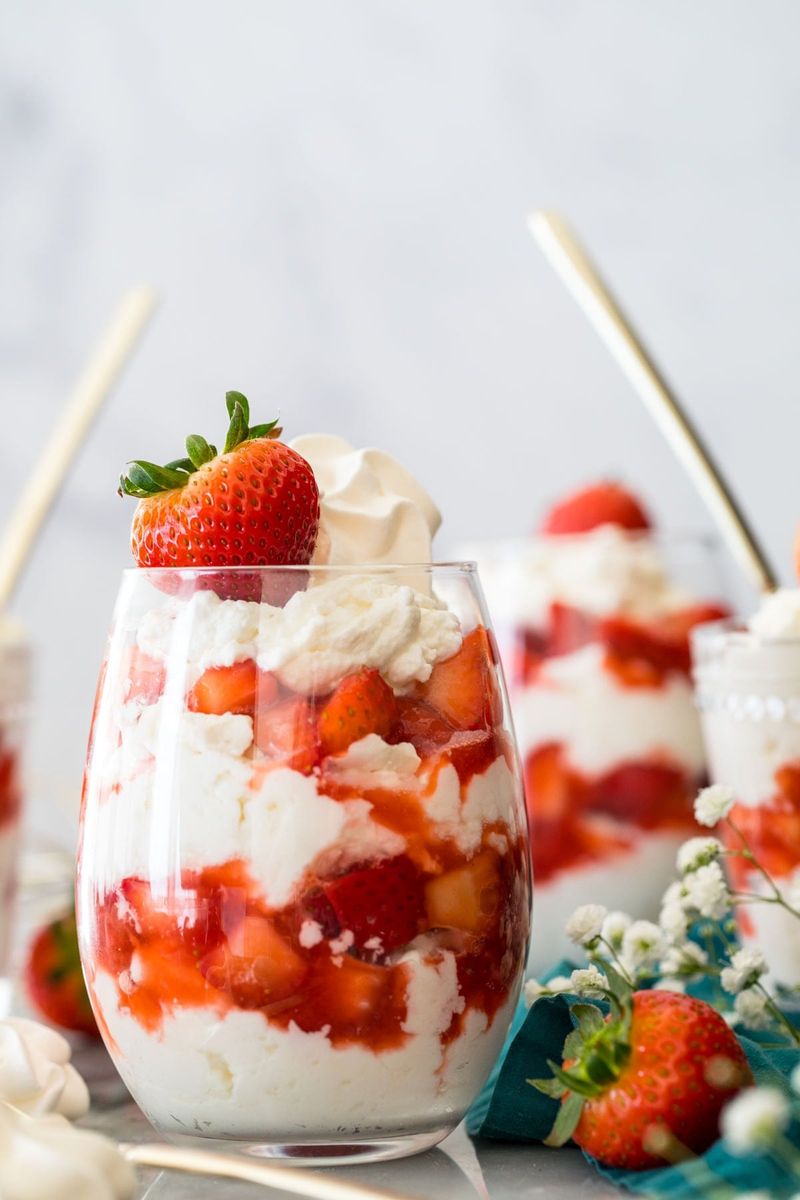
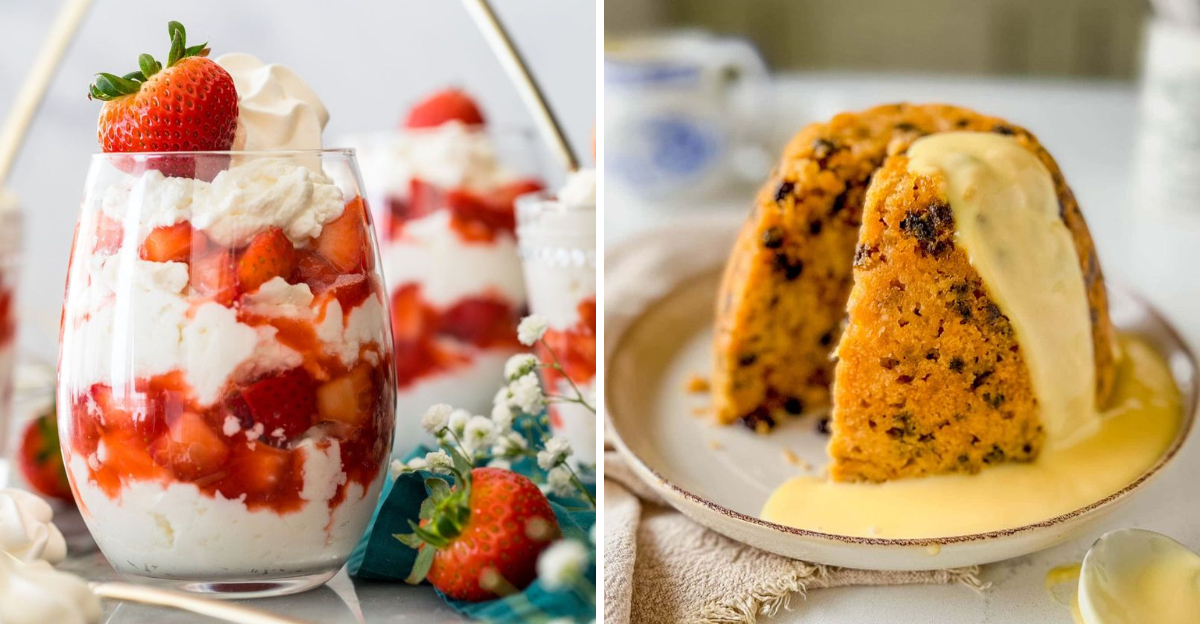
Looking at this dessert, you might think someone accidentally dropped it. Eton Mess is a jumbled mix of whipped cream, broken meringue, and strawberries, and the word “mess” is literally describing how it looks.
There is no attempt to make it pretty, and that is exactly the point.
The “Eton” part comes from Eton College in England, where this chaotic but delicious dessert has been a beloved tradition for generations. Sometimes the messiest things taste the best.
3. Scrapple
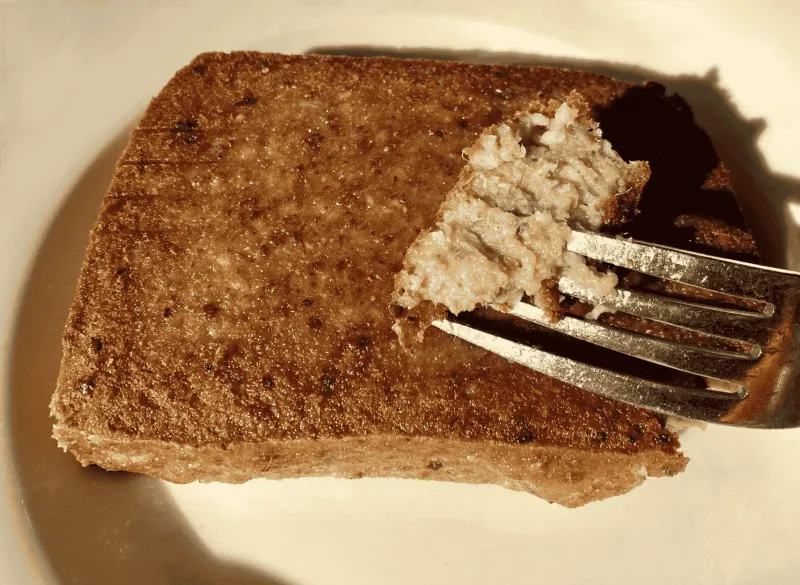
Scrapple is exactly what it sounds like, and it does not try to hide it. The name comes from the word “scrap,” because this dish is made from the leftover bits and pieces of pork that would otherwise be thrown away.
Ground up and mixed with cornmeal and spices, those scraps become something surprisingly tasty.
Popular in the Mid-Atlantic United States, scrapple is a breakfast staple that proves thrifty cooking can produce genuinely crave-worthy results. Waste not, want not has never tasted so good.
4. Hushpuppy
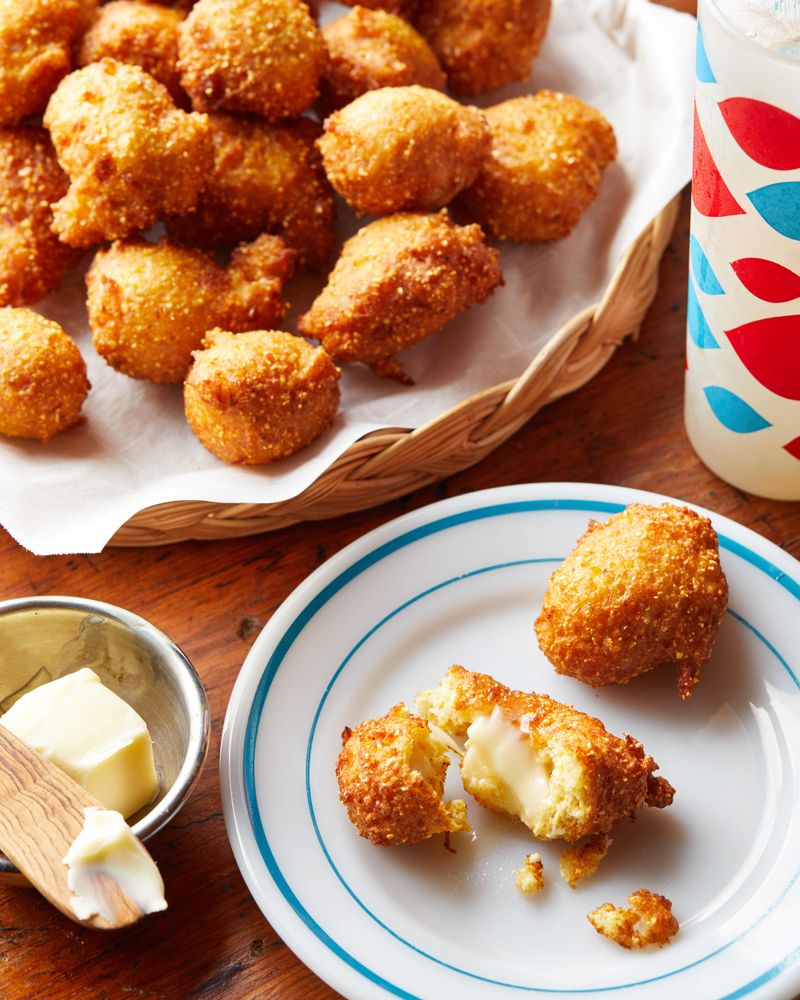
Legend has it that these crispy little cornmeal fritters got their name in the most relatable way possible. Cooks would toss them to barking dogs to keep them quiet, saying “hush, puppy!” Whether that story is completely true or not, it has stuck around for a very long time.
Today, hushpuppies are a beloved Southern side dish, often served alongside fried fish or barbecue. They are proof that even the most casual kitchen moment can inspire a food name that lasts for centuries.
5. Pandowdy
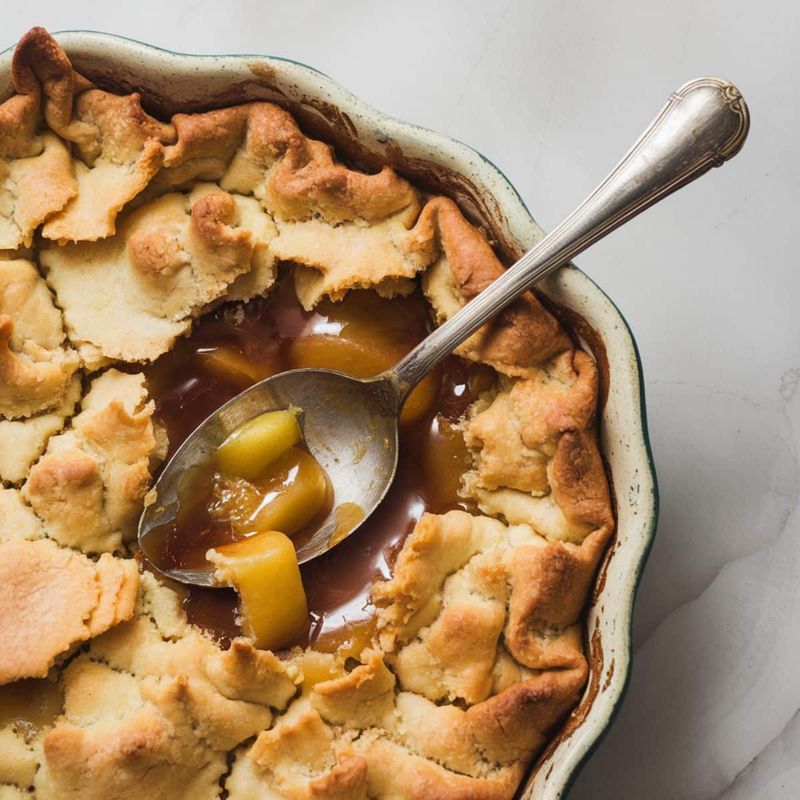
Few desserts wear their personality in their name quite like pandowdy. The “pan” refers to the dish it is baked in, and “dowdy” means shabby or plain-looking.
True to its name, a pandowdy has a deliberately broken, sunken crust that gets pressed into the fruit filling during baking.
It is not trying to be a showstopper at a fancy dinner party. This humble, old-fashioned American dessert is all about comfort over appearance, and honestly, that makes it even more charming to eat.
6. Burrito
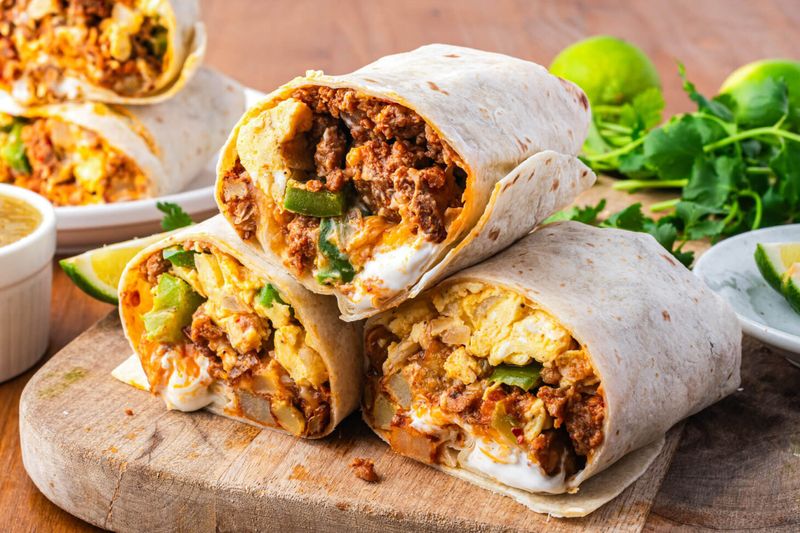
“Burrito” literally means “little donkey” in Spanish, which is a pretty wild thing to think about while eating lunch. One popular theory says the rolled tortilla resembles the bedrolls and bundles that donkeys would carry on their backs.
Another story points to a food vendor in Mexico who used a donkey to carry his supplies.
Either way, this tiny linguistic connection to a pack animal has stuck around and become one of the most recognized food names on the planet. Not bad for a little donkey.
7. Calzone
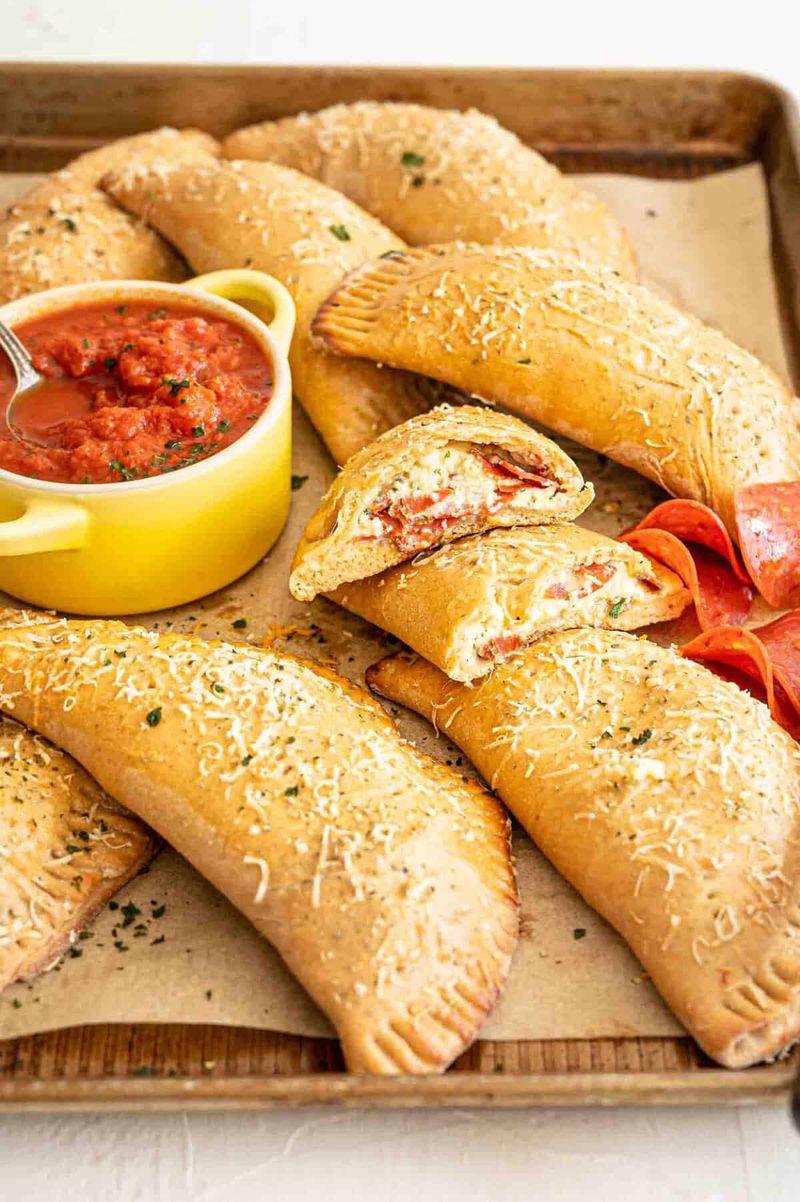
In Italian, “calzoni” means pants, which makes ordering one at a restaurant feel slightly more entertaining. The name likely comes from the folded, half-moon shape of the dough, which some people thought resembled the leg of a trouser.
Another theory suggests calzones were named for their practicality. Because they are fully enclosed, they could be carried and eaten on the go without utensils, much like something you might stuff into your pocket.
Either way, this pant-named pizza pocket has earned its permanent place on menus worldwide.
8. Bear Claw
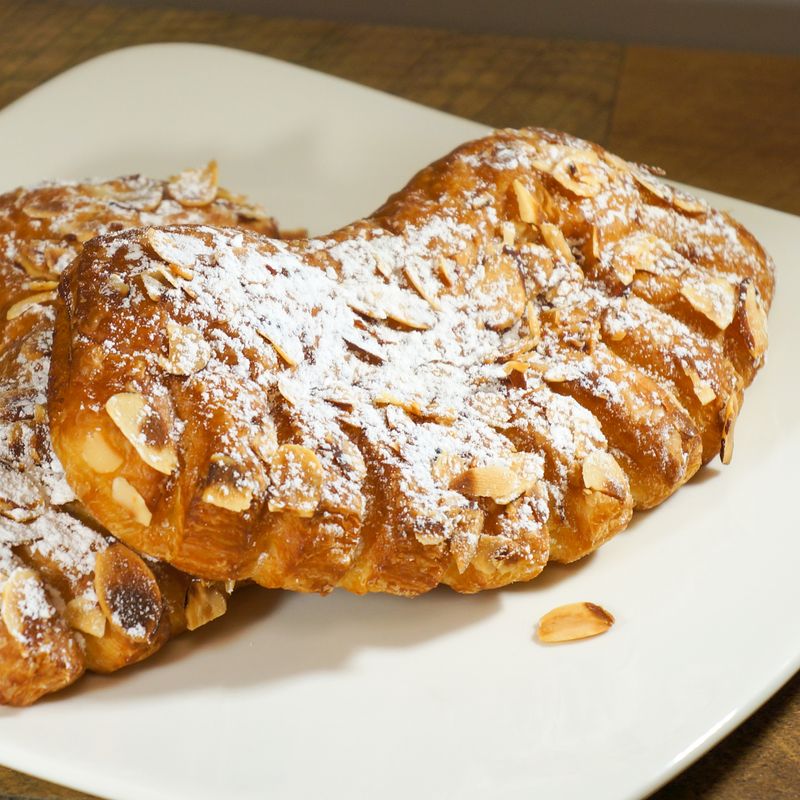
Take one look at this pastry and the name makes instant sense. A bear claw is shaped to look like an actual bear’s paw, complete with individual “claw” cuts along one side that fan out during baking.
It is one of the most visually accurate food names on this entire list.
This almond-filled Danish-style pastry was reportedly first created in San Francisco in 1942. Today it is a bakery staple across the United States, beloved for both its flavor and its satisfyingly creative shape.
9. Boston Cream Pie
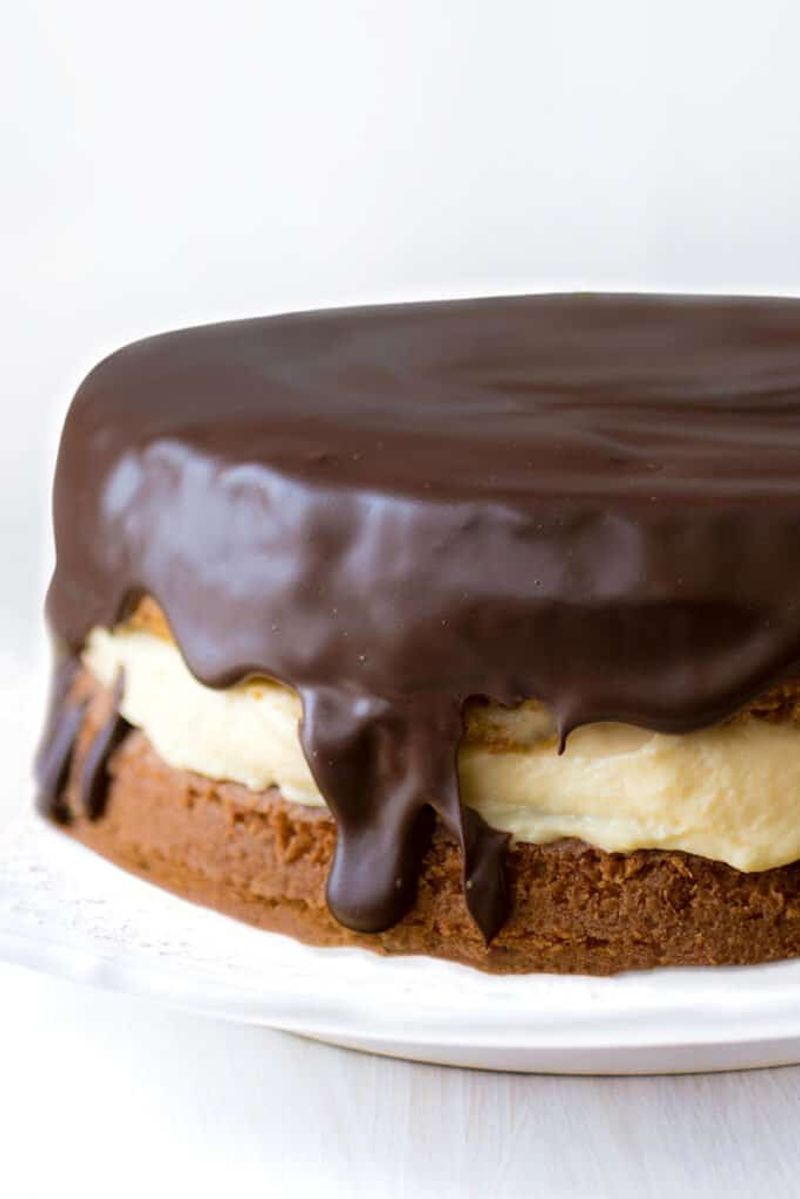
Here is a riddle: when is a pie not a pie? When it is Boston cream pie, which is actually a cake.
Back in mid-19th century New England, bakers commonly used pie tins to bake cakes because proper cake pans were not always available. The name “pie” just stuck around even after the bakeware situation improved.
Made with sponge cake, vanilla custard, and chocolate glaze, this Massachusetts classic is now the official state dessert. A cake with an identity crisis never tasted so good.
10. Geoduck
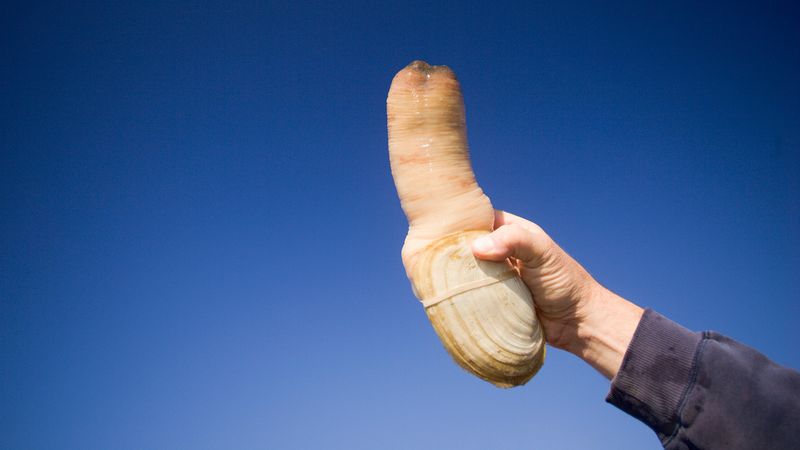
Pronounced “gooey duck,” this enormous burrowing clam has a name that trips up almost everyone who reads it for the first time. No ducks are involved whatsoever.
The name comes from “gwídəq,” a word from the Lushootseed language of Indigenous peoples of the Pacific Northwest, meaning “dig deep.”
The mispronunciation by English speakers over time turned that word into what we say today. The geoduck is one of the largest burrowing clams in the world, and its unusual name perfectly matches its unusual appearance.
11. Headcheese
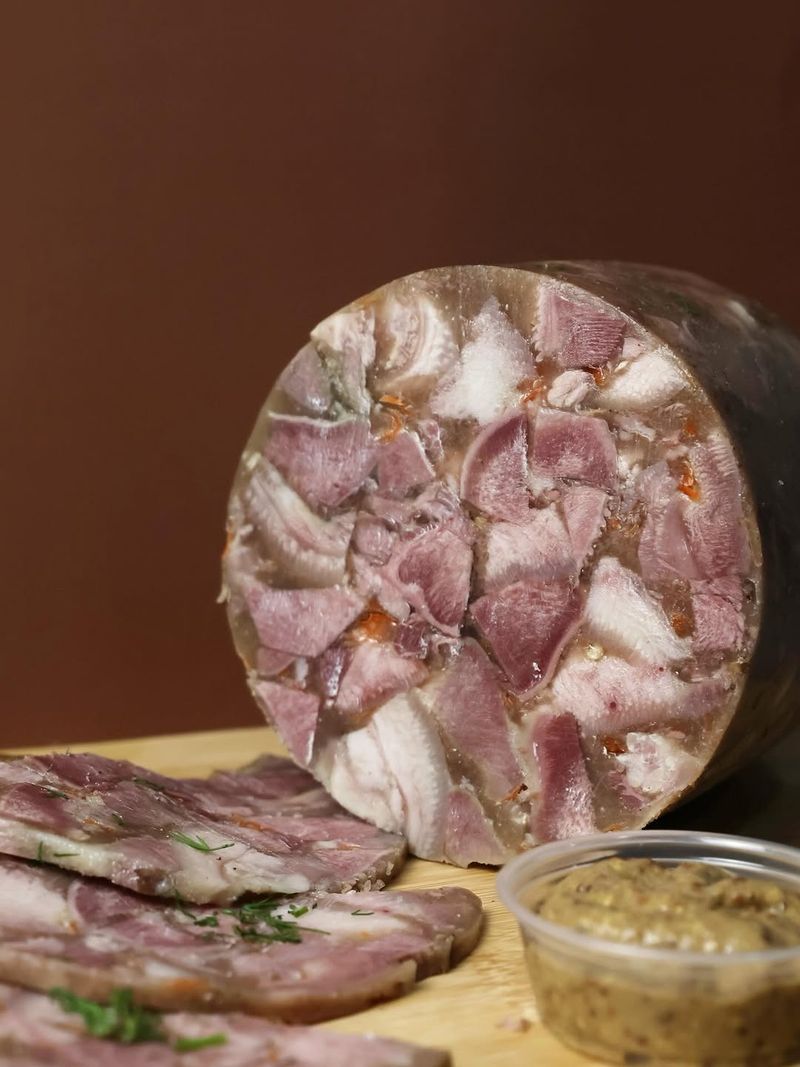
Despite the name, headcheese contains absolutely no cheese and no dairy of any kind. It is actually a type of cold cut made from meat scraps, often sourced from a pig’s head, that are cooked down, seasoned, and then pressed tightly into a mold until they set.
That pressing process is what earned it the “cheese” label, because it mirrors how actual cheese is pressed and molded. It is a classic example of a name that describes the method rather than the ingredients, which can definitely catch first-timers off guard.
12. Jerusalem Artichoke
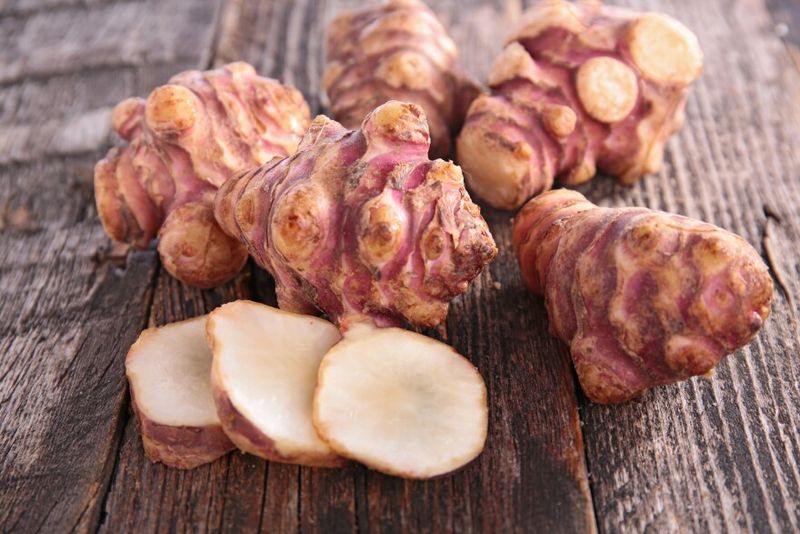
Neither from Jerusalem nor related to the artichoke plant, this humble tuber has one of the most misleading names in the produce aisle. The mix-up started with the Italian word “girasole,” meaning sunflower, because the Jerusalem artichoke is actually part of the sunflower family.
English speakers heard “girasole” and gradually turned it into “Jerusalem” through mispronunciation. The artichoke part?
That came from a loose comparison to the flavor of globe artichokes. Two naming errors in one vegetable is a pretty impressive record.
13. Spotted Dick
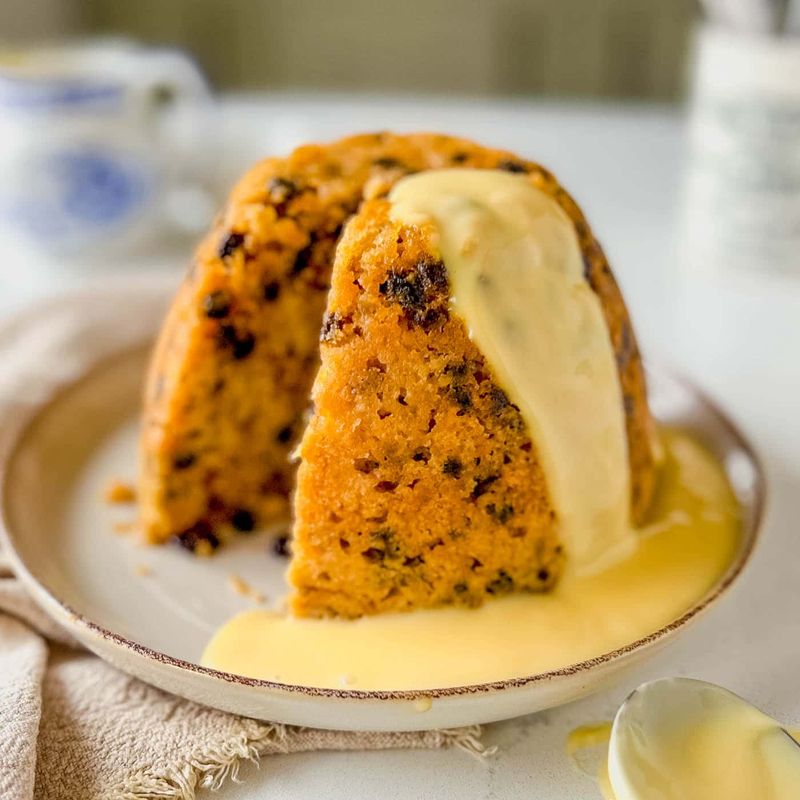
British puddings have always had wonderfully eccentric names, and spotted dick might be the most eyebrow-raising of them all. The “spotted” part is simple enough: the pudding is dotted with currants or raisins throughout the sponge.
The word “dick” is where things get more interesting.
In 19th-century English slang, “dick” was a casual term for pudding, possibly derived from old words like “puddick” or the Old English “dāg,” meaning dough. So really, you are just eating a currant-speckled pudding with a very old-fashioned name.
14. Sweetbreads
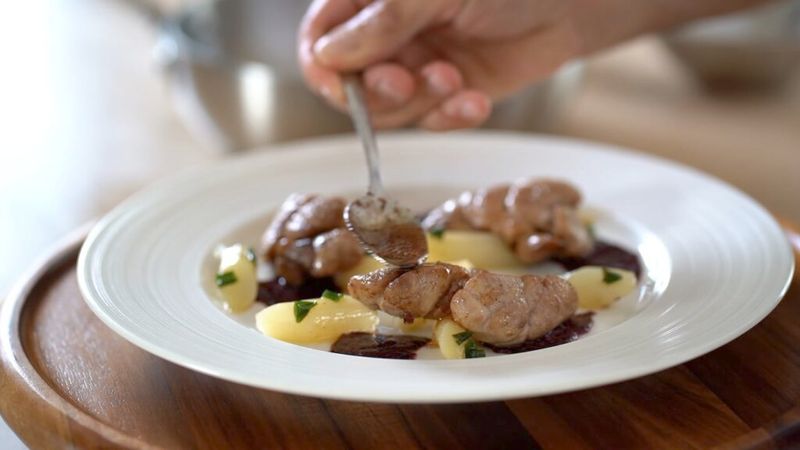
Sweetbreads sound like something you would find at a bakery, but they are actually the thymus gland or pancreas of an animal, usually a calf or lamb. The “sweet” in the name refers to the richer, milder flavor compared to muscle meat, not any actual sweetness like sugar.
The “bread” part comes from “braed,” an Old English word for flesh or meat. So this fancy-sounding culinary term is really just old-school English describing a tender, mild organ meat.
Fine dining has never been more surprising.
15. Dutch Baby
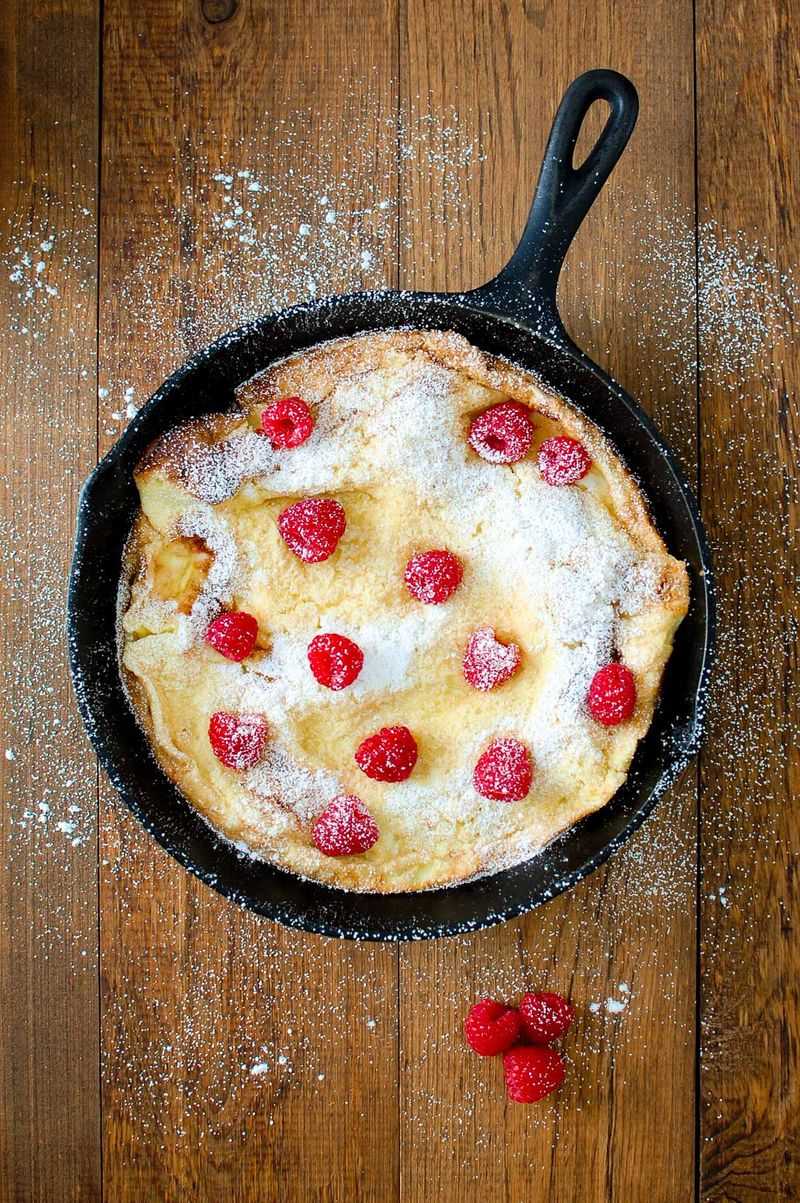
Despite its name, the Dutch baby pancake has nothing to do with the Netherlands. This oversized, oven-baked pancake is actually German in origin.
The confusion comes from the word “Deutsch,” which means German, being mispronounced by English speakers as “Dutch” over time.
A restaurant in Seattle is widely credited with popularizing the dish in the early 1900s. Today, the Dutch baby is a weekend breakfast favorite, puffing up dramatically in the oven and then collapsing into a buttery, eggy bowl just waiting to be filled with fruit and powdered sugar.
16. Shoofly Pie
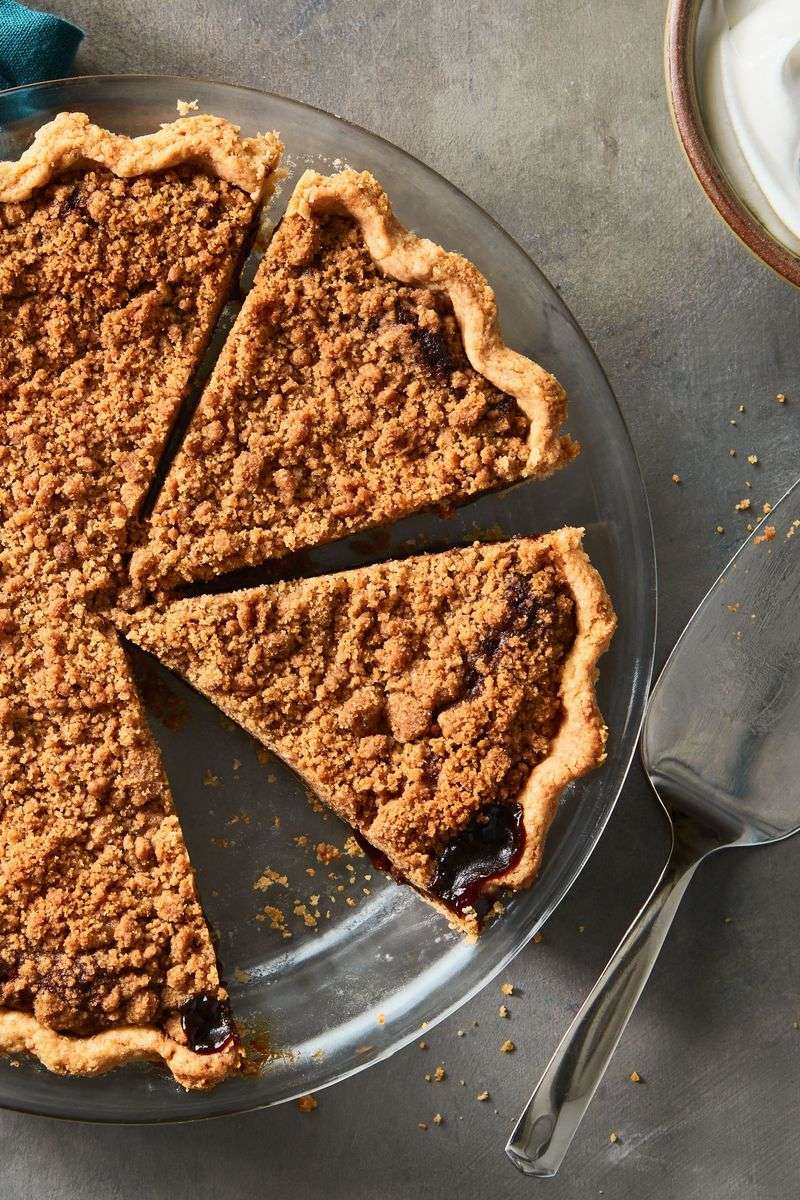
Shoofly pie is a Pennsylvania Dutch classic with a name tied to a surprisingly entertaining backstory. The leading theory connects it to Shoofly the Boxing Mule, a famous 19th-century circus animal who was likely named after the popular song “Shoo, Fly, Don’t Bother Me.”
The pie’s intensely sweet molasses filling tends to attract flies, so bakers would shoo them away while it cooled, making the song reference feel very practical. It is a wonderfully strange chain of events that led to one of American folk baking’s most memorable names.