New Mexico And Mexico Share A Name But Not The Same Kitchen
Two places share a name, but your plate will tell you they do not share the same kitchen. In New Mexico, the first question is red or green, and it shapes the entire meal, not just the garnish.
Mexico offers many chiles too, yet its sauce traditions sprawl across countless regions and styles. Let’s dig into the differences so you can order with confidence and taste what makes each side special.
1. Red or green is the whole decision
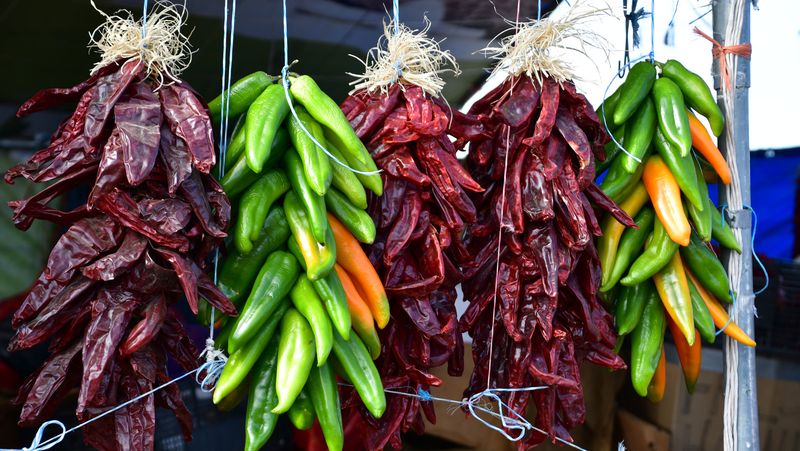
In New Mexico, red or green is not a throwaway choice. It is the meal’s compass, deciding heat, fragrance, and mood.
Servers ask it like a handshake because chile is the identity.
Red brings roasted depth and sun-dried nuance, while green hits bright, vegetal, and punchy. Either one can cover enchiladas, burritos, huevos, or fries.
You are choosing the whole lane, not a drizzle.
In Mexico, chiles are everywhere, but the ritual question is not standard. The shorthand is distinctly New Mexican.
Order Christmas, and you get both, happily smothered.
2. Hatch chile is a season, not just an ingredient
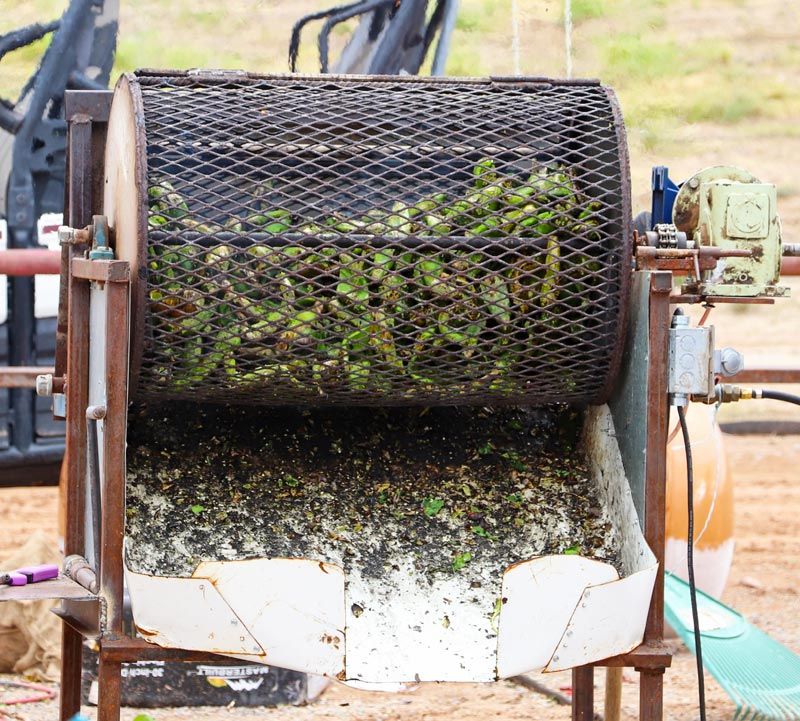
When Hatch season arrives, you can smell it in the parking lot. Drum roasters turn, skins blister, and everyone talks heat levels and freezer plans.
The flavor leans earthy, smoky, and straightforward, built for everyday comfort.
Mexico ties chiles to terroir too, but New Mexico turns harvest into public ritual. Banners, bins, and bulk buys define late summer.
People plan meals for months around these bags.
That collective obsession means Hatch is an anchor. It shows up on eggs, burgers, stews, and salsas.
In New Mexico, chile is community calendar.
3. Flour tortillas show up everywhere at home
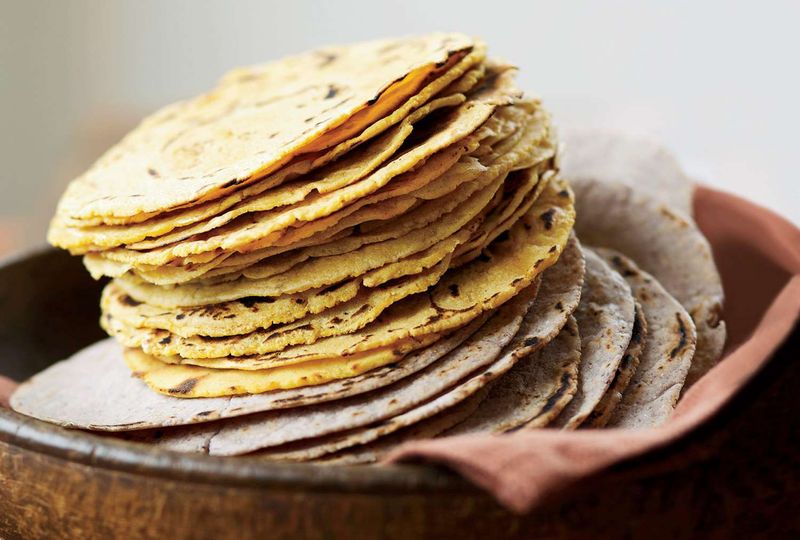
In many New Mexican kitchens, flour tortillas are the daily sidekick. They are flexible, sturdy, and perfect for scooping saucy plates.
You will see them with eggs, stews, and smothered anything.
Mexico certainly embraces flour up north, but corn remains the default across much of the country. In New Mexico, flour feels like the household standard.
It is a practical match for chile-forward sauces.
That everyday reach shifts texture and comfort cues. Tear, fold, sweep, and repeat.
A warm stack on the table signals you are in New Mexico’s lane.
4. Sauce architecture: direct chile vs layered complexity
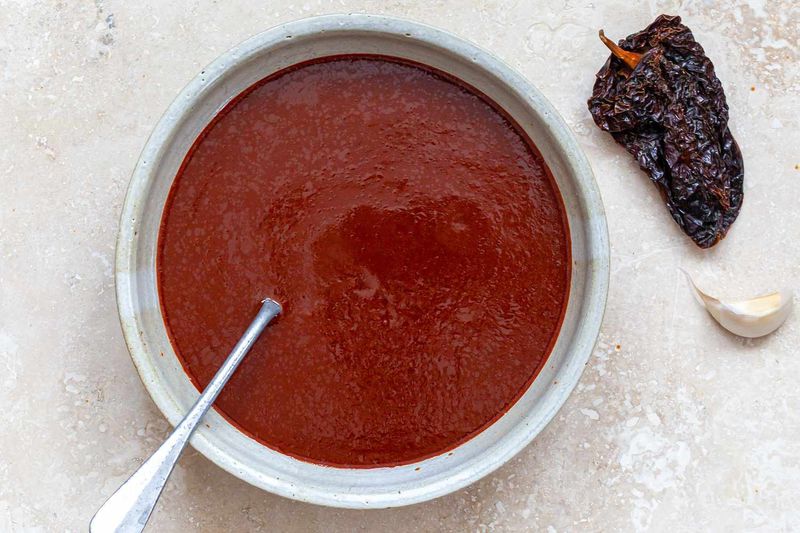
New Mexican red chile sauce usually runs smooth and focused. Think pure chile, garlic, salt, maybe oregano, built to pour and soak.
It is clarity in a ladle.
Mexican sauces sprawl in style: bright tomatillo salsas, roasted rancheras, nutty moles, and more. Ingredients stack and interlock.
The result can be lush, layered, and regionally specific.
Both revolve around chile, yet their blueprints differ. One aims for direct expression, the other for orchestration.
Your palate notices the architecture right away.
5. Enchiladas: stacked and smothered vs rolled and varied
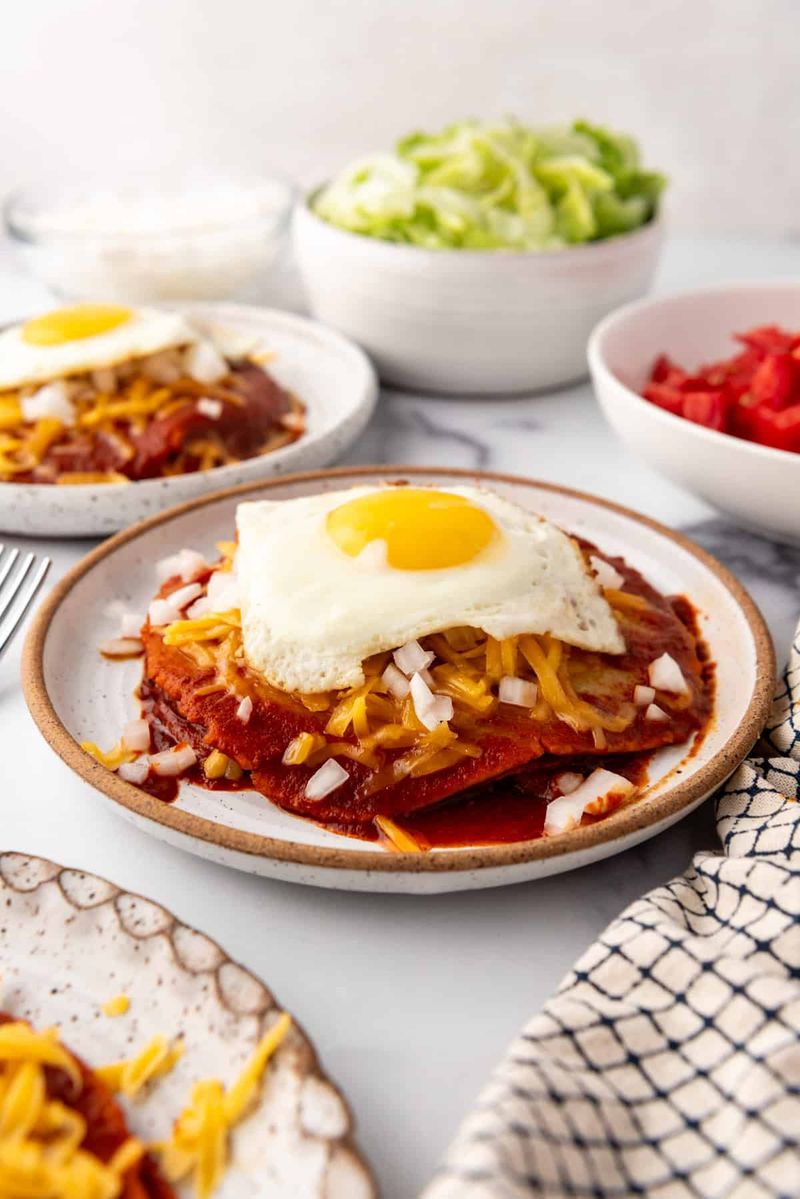
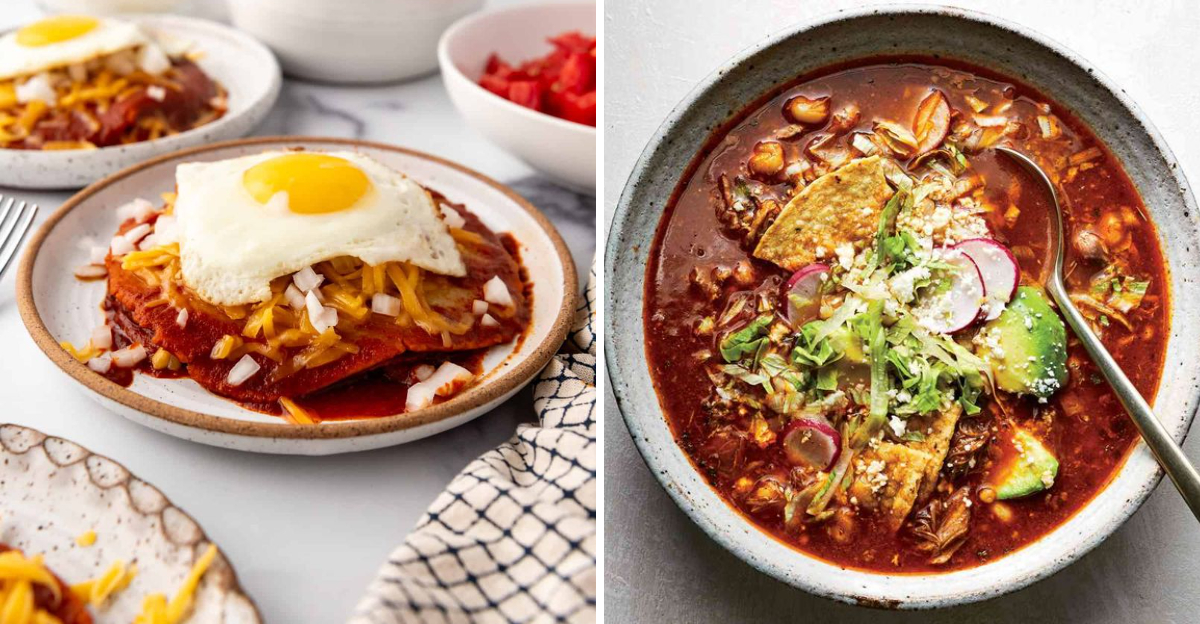
Order enchiladas in New Mexico and expect stacks. Corn tortillas layered like a savory cake, then smothered in chile and cheese, maybe crowned with an egg.
It is hearty and comforting.
In Mexico, rolled enchiladas are common, with regional salsas, crema, and fresh cheeses. Lighter garnishes and bright flavors often lead.
Styles swing widely by state.
Both plates satisfy, but they signal different priorities. New Mexico leans saucy blanket; Mexico often leans balance and freshness.
Your fork will feel the difference first bite.
6. Smothered is a signature mood
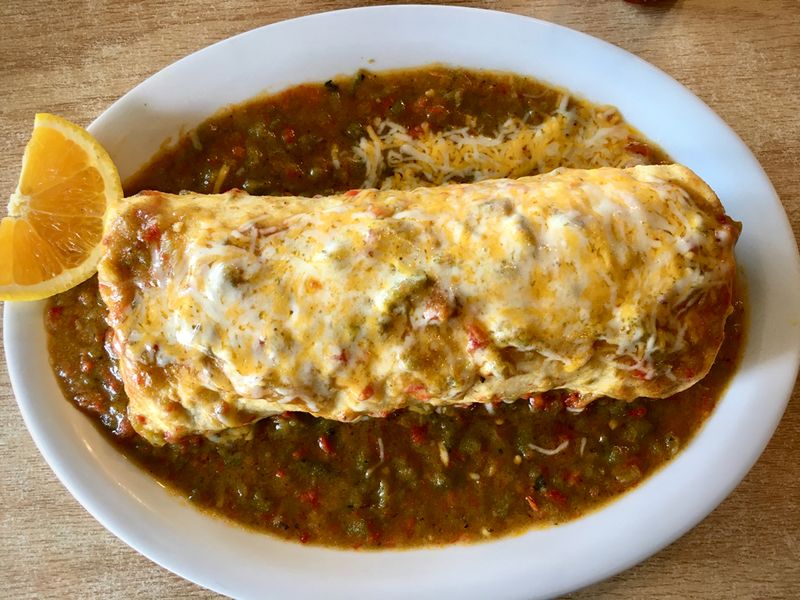
New Mexico loves smothering. Burritos, fries, chimichangas, even breakfast plates dive under chile and cheese.
The point is comfort, heat, and softness in every forkful.
Mexican cooking can be saucy, but the diner-style drench is a New Mexican calling card. It invites slow bites and satisfied silence.
It is a rainy-day sweater of a plate.
Ask for Christmas to split the colors, then chase with a tortilla. You will understand the state’s cozy logic immediately.
Smothered is a feeling.
7. Cheese tells on the plate
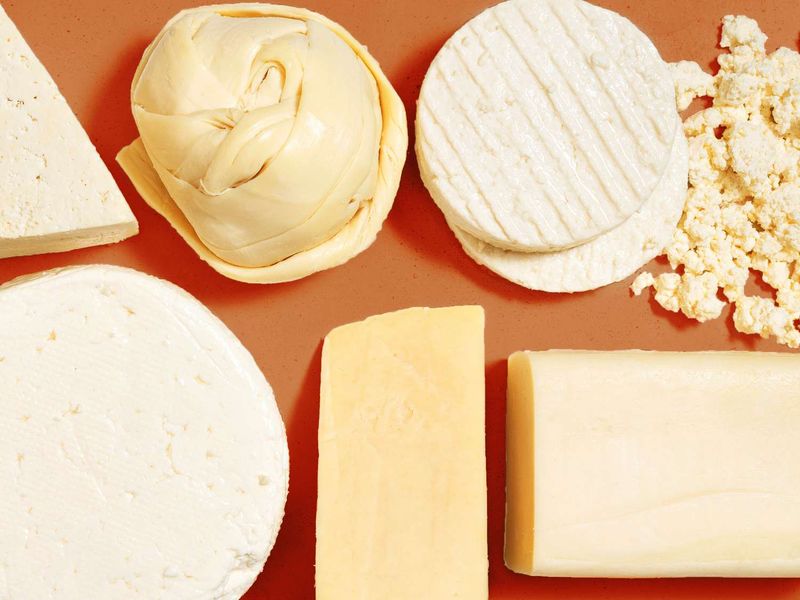
Look at the cheese and you will know where you are. New Mexican plates lean melty and mild, often cheddar or American-style blends that blanket and stretch.
They behave like classic diner melt-cheese.
Mexico’s cheeses are a vast map: queso fresco, Cotija, Oaxaca, Chihuahua, panela, and more. Some crumble, some stretch, some salt, some melt gently.
Each shifts texture and finish.
That quick visual cue is a giveaway. New Mexican cheese says cozy smother, while Mexican cheese often adds contrast.
Your bite reads the difference fast.
8. Posole here, pozole there
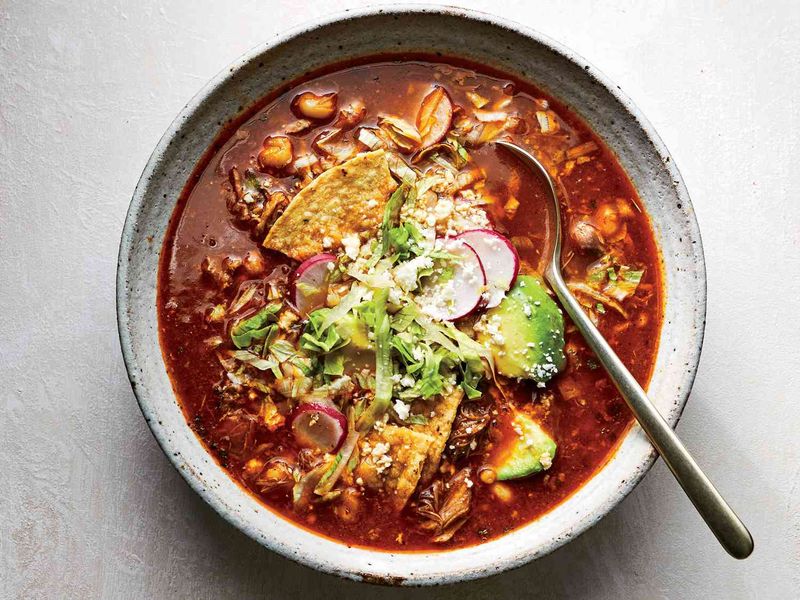
Same hominy heart, different personalities. In New Mexico, posole often carries a deep red or green chile broth, homestyle and holiday anchored.
It tastes like winter gatherings.
In Mexico, pozole shows strong regional branches: blanco, rojo, and verde, each with distinct garnishes. Think radish, lettuce, oregano, lime, tostadas.
The bowl turns into a build-your-own ritual.
Both celebrate corn and community, yet the rhythms diverge. New Mexico leans chile-driven simplicity; Mexico leans variety.
Order both to feel the lineage fork.
9. Sopapillas as a table trademark
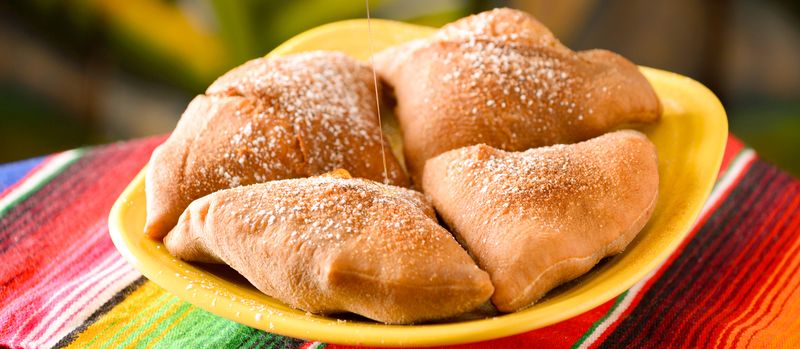
In New Mexico, sopapillas are everyday joy. Puffy pillows arrive with honey, ready to tear and drizzle.
Some folks stuff them with carne and chile for savory bites.
Mexico has incredible pan dulce and fried sweets, but sopapillas as a near-standard restaurant side or dessert feel distinctly New Mexican. They are comfort punctuation marks.
The table smiles when they land.
Warm, airy, lightly crisp, they pair with coffee or cool milk. Finish sweet after all that chile.
You will miss them once you leave.
10. Order Christmas and cover both bases
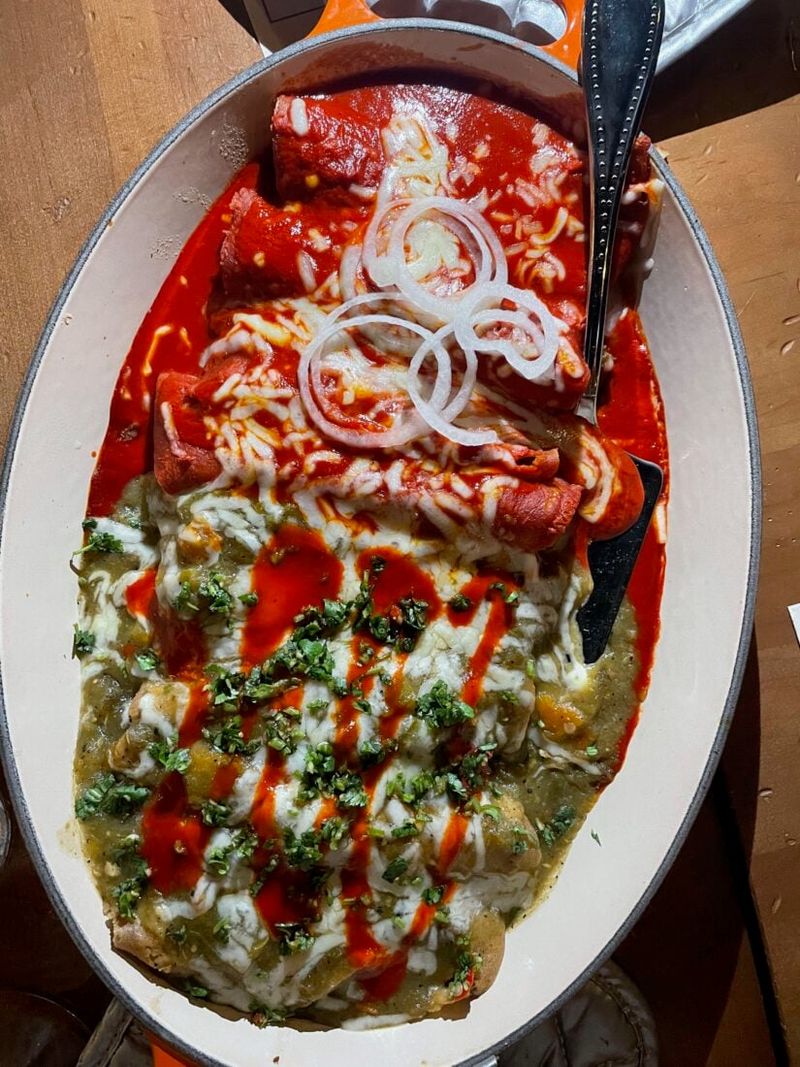
Ask for Christmas in New Mexico and the server will nod. You get red and green together, a color-blocked truce over your plate.
It solves indecision with style.
Mexico blends sauces too, but this specific named option is not a norm. It is a local shorthand, an identity wink.
Tourists learn it fast and keep ordering it.
The result is flavor play: roasted depth meeting bright bite. Spoon from both sides and compare.
Christmas turns the question into a yes.
11. Indigenous roots, different expressions
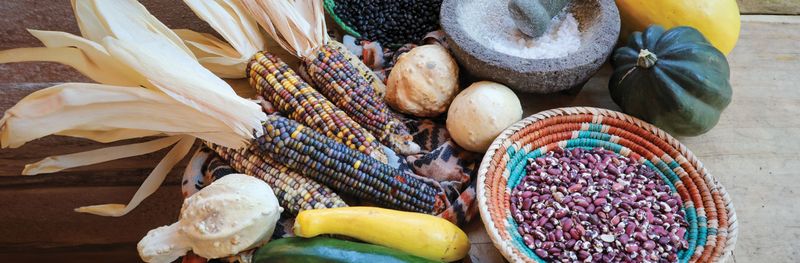
New Mexican cuisine carries strong Pueblo influences: blue corn, beans, squash, stews, and bread baked in hornos. Those roots shape texture, flavor, and ceremony.
You taste place in every bowl.
Mexico’s Indigenous foundations are vast and varied, shifting by region and history. Maize diversity, nixtamal, and local techniques map a continent of flavor.
Overlaps exist, but expressions diverge.
Pay attention to tortillas, stews, and ceremonial foods. They tell stories of land and continuity.
Two traditions, related, never identical.
12. One mosaic, one tight core
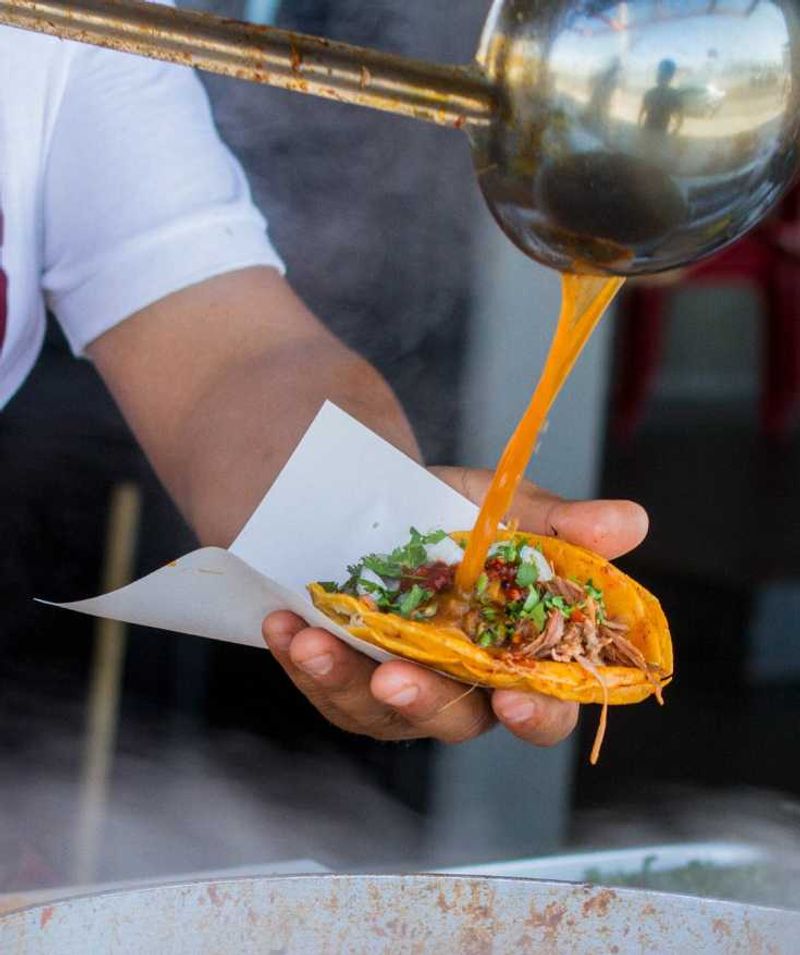
Mexico is many cuisines at once. Coasts, mountains, deserts, and cities build distinct repertoires, from seafood aguachiles to Oaxacan moles and Yucatecan recados.
The mosaic is national scale.
New Mexican cuisine is regional and unified by chile logic. Staples repeat across towns with comforting consistency.
You recognize the plate even as cooks personalize it.
Comparing them is about scope. One sprawls with endless branches; the other concentrates flavor into a focused tradition.
Both reward curiosity and appetite.