Uncovered: The Longest-Running Bakeries In America
Some bakeries feel like time capsules, where flour, butter, and tradition have mingled for more than a century. You can almost hear the old ovens hum and smell recipes perfected across generations.
These long running American bakeries have survived wars, rations, and fads, yet still greet you with warm cases and friendly smiles. Come hungry, because their stories taste as good as their pastries.
1. G. Martini Bakery, Hoboken, New Jersey (est. 1888)
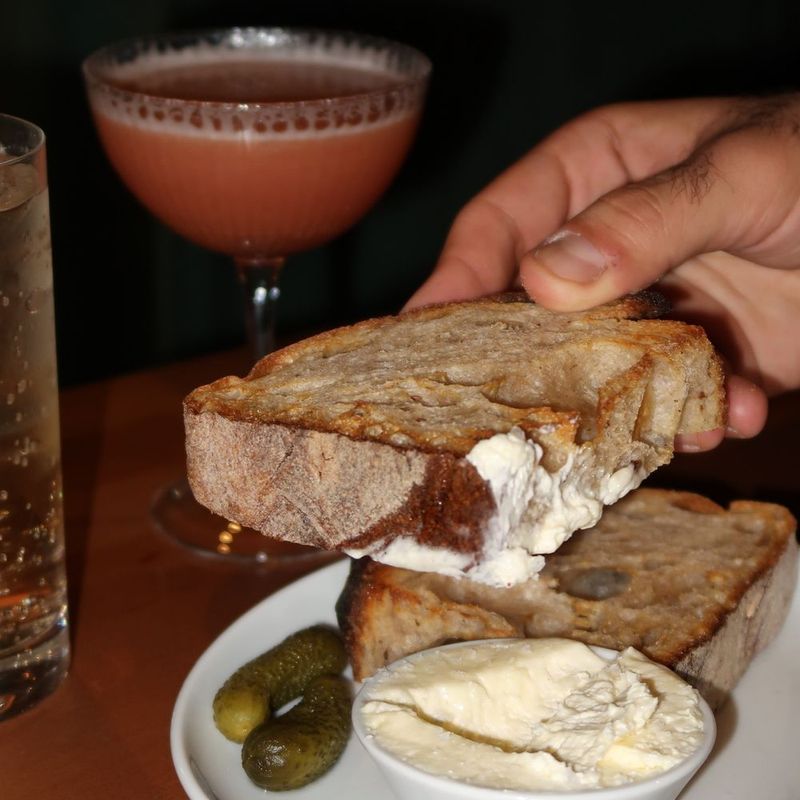
Walk into G. Martini Bakery and you step into a century of neighborhood ritual.
The shelves hold crusty Italian loaves, glossy cannoli, and cookies that crunch like Sunday afternoons. You feel the pride in every flour dusted apron and the steady rhythm of dough being shaped by practiced hands.
Locals swear by the seeded semolina, perfect for gravy soaked sandwiches. Holiday lines snake down the block, proving tradition still draws a crowd.
You will taste patience in every crumb and buttered memory in every bite. Old world techniques persist here, quietly resisting shortcuts while welcoming you home.
2. Boudin Bakery, San Francisco, California (est. 1849)
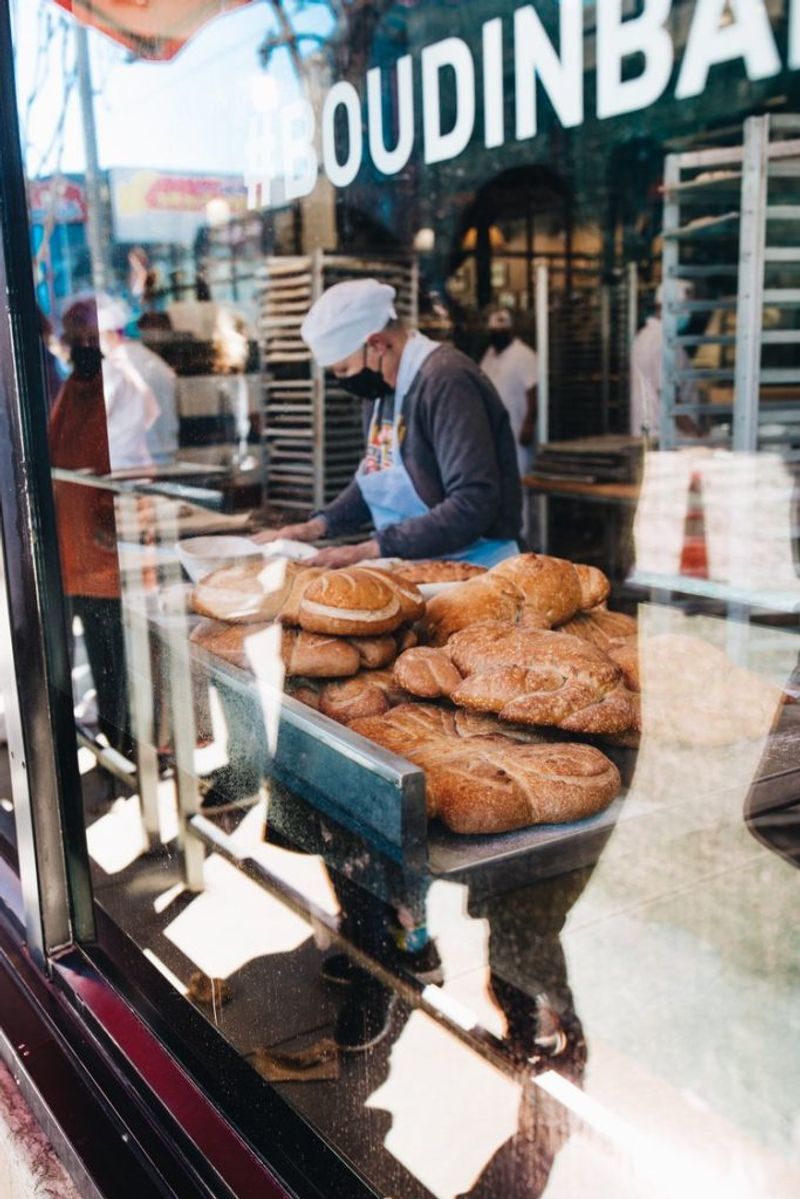
Boudin’s fog kissed sourdough has the tang of Gold Rush grit and waterfront wind. The mother starter dates back to 1849, bubbling with city lore and stubborn wild yeast.
You can watch bakers shape crab loaves while ferries glide by outside, the bay acting like a cooling fan.
Order a round boule and crack it open to hear that signature sing. The crumb is tender, the crust snaps, and the aroma grabs your sleeve.
Every bite carries ocean salt and streetcar clang. Tourists come for spectacle, but you will remember the flavor that anchors San Francisco’s food soul.
3. Eilenberger’s Bakery, Palestine, Texas (est. 1898)
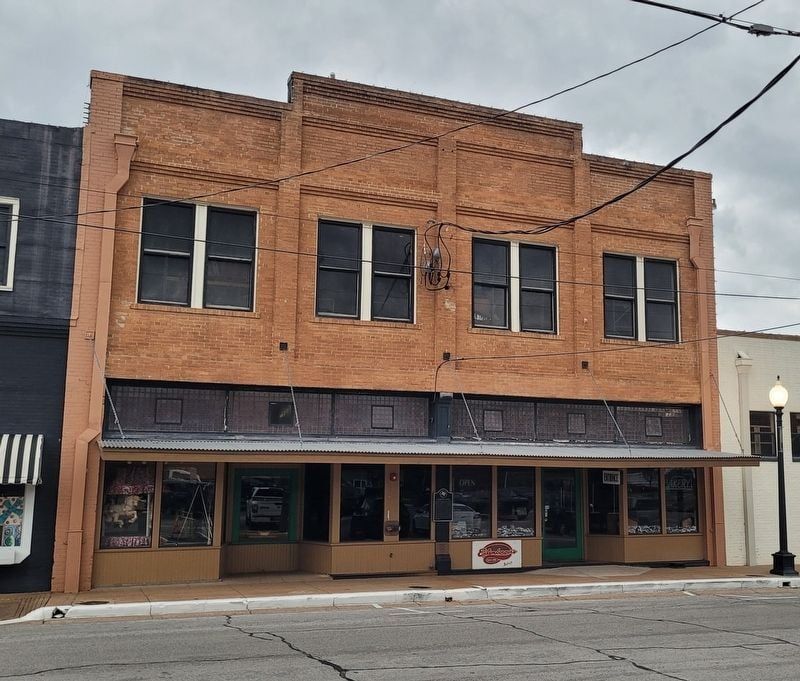
Eilenberger’s smells like pecans, cinnamon, and warm hospitality. The fruitcakes here convert skeptics with boozy soaked fruit and a tender crumb that does not punish.
Generations have mailed these brick shaped legends across the country, an edible postcard stamped with Texas pride.
Beyond holiday fame, they bake kolaches, cookies, and richly glazed coffeecakes. You will meet staff who know your order and your aunt’s.
The building creaks a little, but that only proves how long it has loved its community. Take a slice with coffee and you will understand why this place has outlasted trends.
4. D’Amato’s Bakery, Chicago, Illinois (est. 1970s roots, oven from 1912)
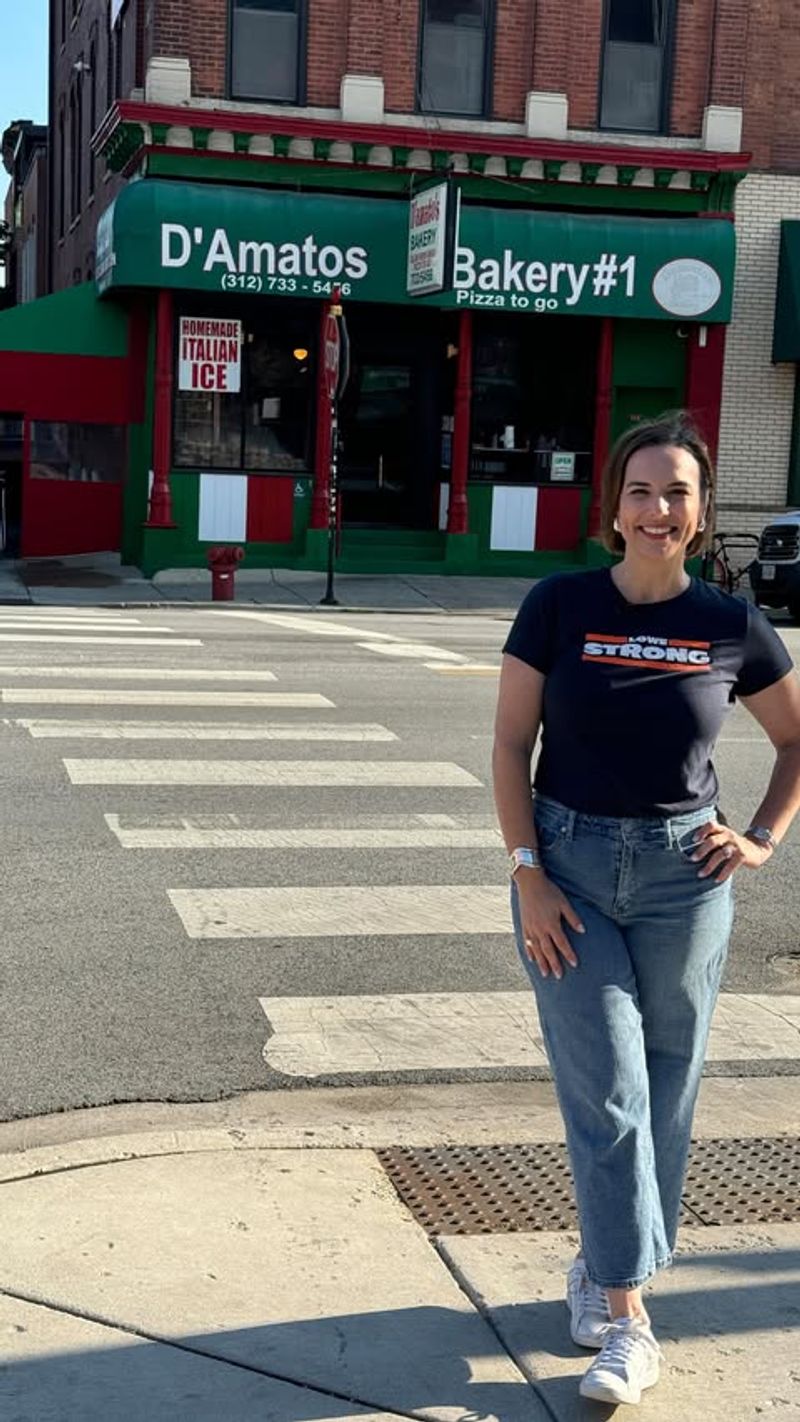
D’Amato’s runs its coal fired hearth like a living museum. The oven, installed in 1912, breathes out blistered pizza and bread with soulful char.
You feel Chicago’s Italian American heartbeat in the crackle and flour dust as trays slide in and out with practiced choreography.
Grab a square slice, still hissing, or a torpedo roll with sesame freckles. The heat tastes clean, the crust flexes, and the crumb holds sandwiches like a promise.
You will stand on the sidewalk, sauce on your knuckles, smiling at strangers. That is how this bakery measures time, one perfect scorch at a time.
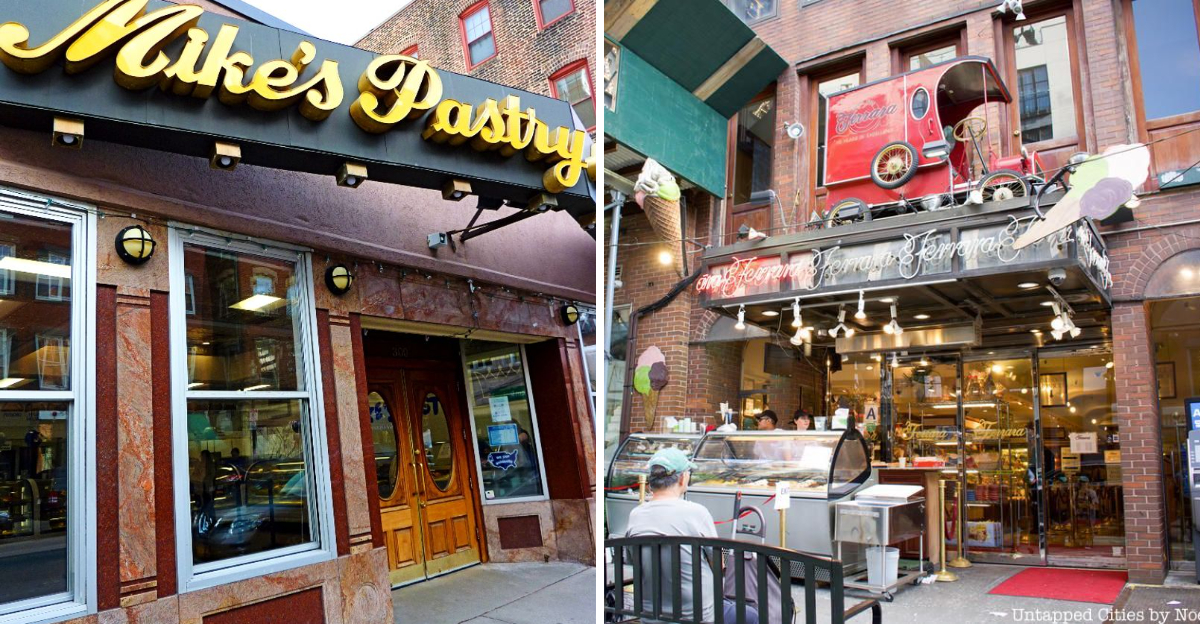
5. Mike’s Pastry, Boston, Massachusetts (est. 1946)
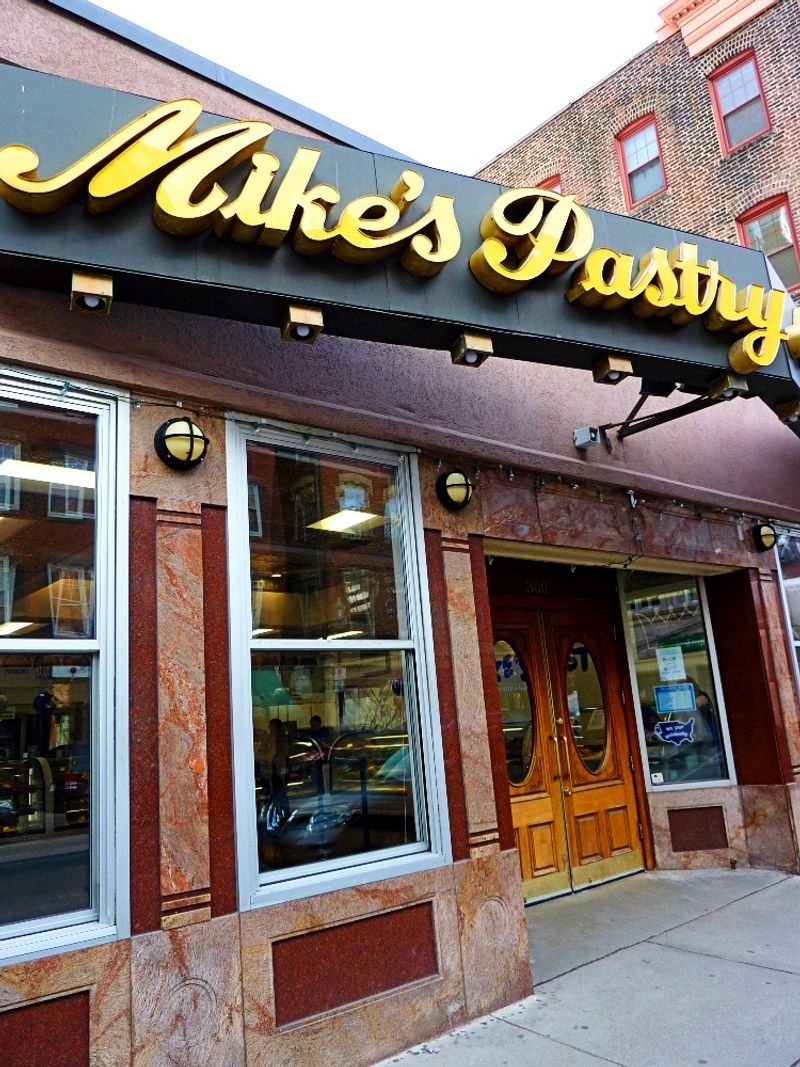
Mike’s is a North End rite, a sweet thunderstorm of boxes and powdered sugar. Cannoli choices stretch like a litany, from ricotta classic to chocolate dipped excess.
You shuffle along happily, because the chaos is part of the ritual and the payoff is cold cream against crisp shell.
Grab lobster tails, sfogliatelle, and butter cookies for the walk back through cobblestones. The line moves, the staff teases, and you will grin with cheeks full.
Tradition here is loud and generous. By the time you tie the blue string, you will have joined the club.
6. Holsum Bakery House, Lihue, Kauai, Hawaii (legacy brand roots early 1900s)
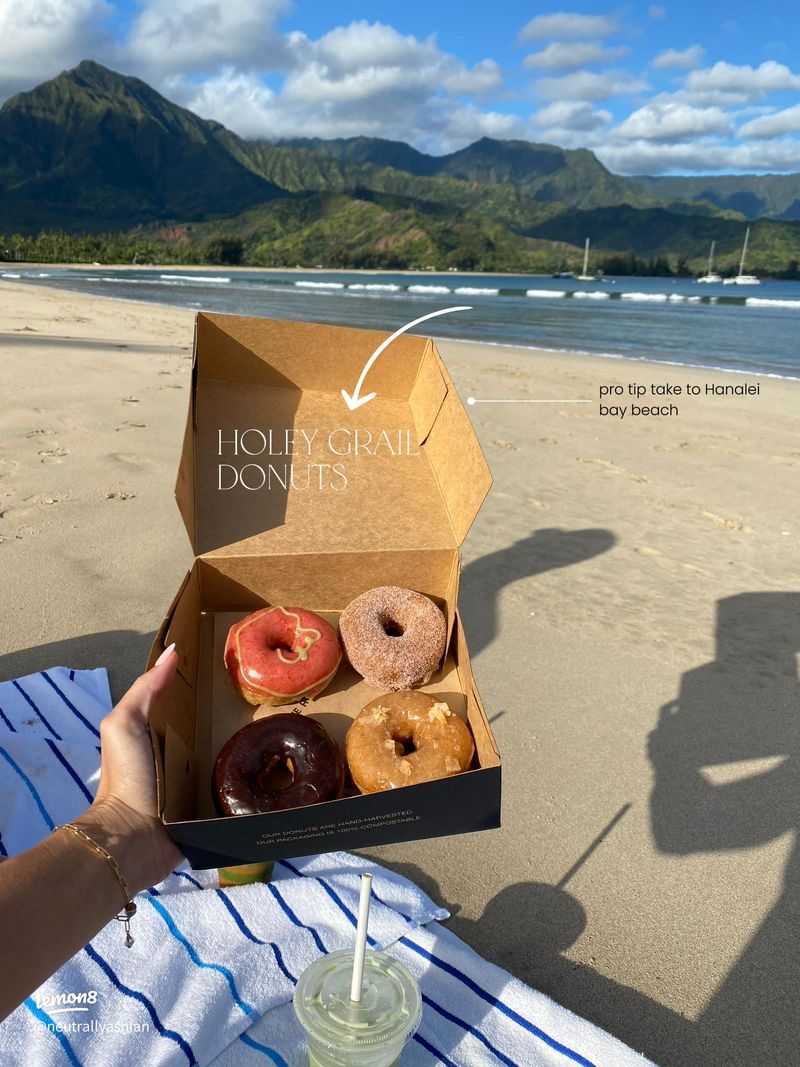
On Kauai, the Holsum legacy lingers in sweet bread and island mornings. The bakery’s history threads through plantation days, when loaves fueled long, sun heavy work.
You taste soft, eggy slices that toast into clouds and cradle butter like it belongs there permanently.
Locals share stories of deliveries to mom and pop stores and school events. You can still find that flavor in regional bakes and family recipes.
It is gentle, nostalgic, and quietly vital. One bite and you will understand how bread stitches community together across waves and generations.
7. Moravian Sugar Cake Bakers, Winston-Salem, North Carolina (est. 18th century tradition)
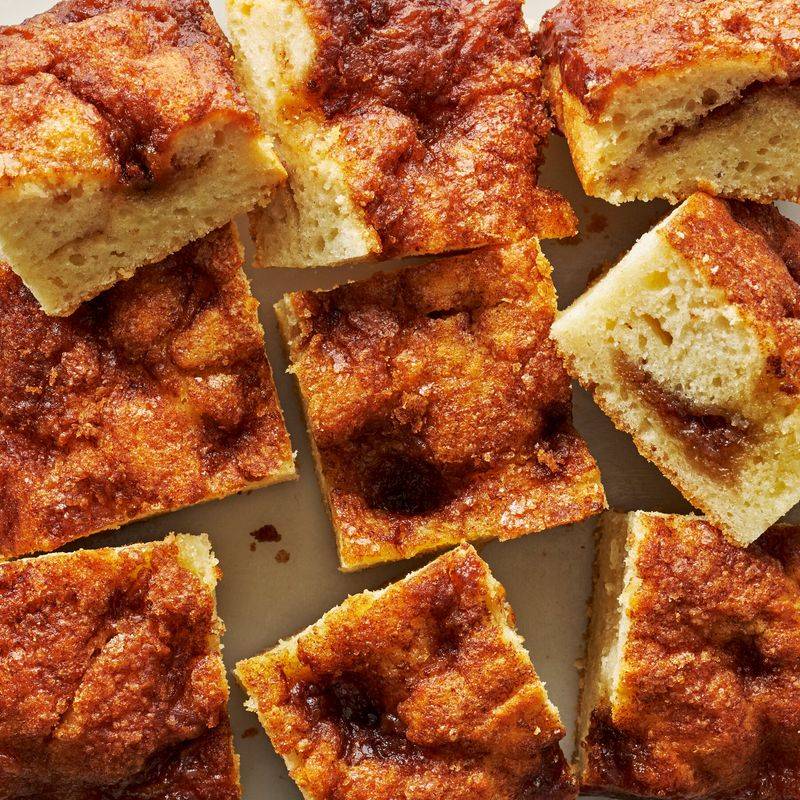
Winston Salem’s Moravian bakers keep cinnamon sugar dreams alive. The dough presses into dimples that cradle butter pools, then bakes into caramel edged softness.
You will smell it before you see it, a scent that turns errand runs into detours and strangers into friends at church sales.
The tradition traces to the 1700s, steady as candlelight in historic homes. Thin cookies snap like brittle lace, perfect with coffee.
This is heritage you can break apart and share. When the warm cake lands in your hands, time seems to fold neatly like parchment.
8. Ferrara Bakery & Cafe, New York City, New York (est. 1892)
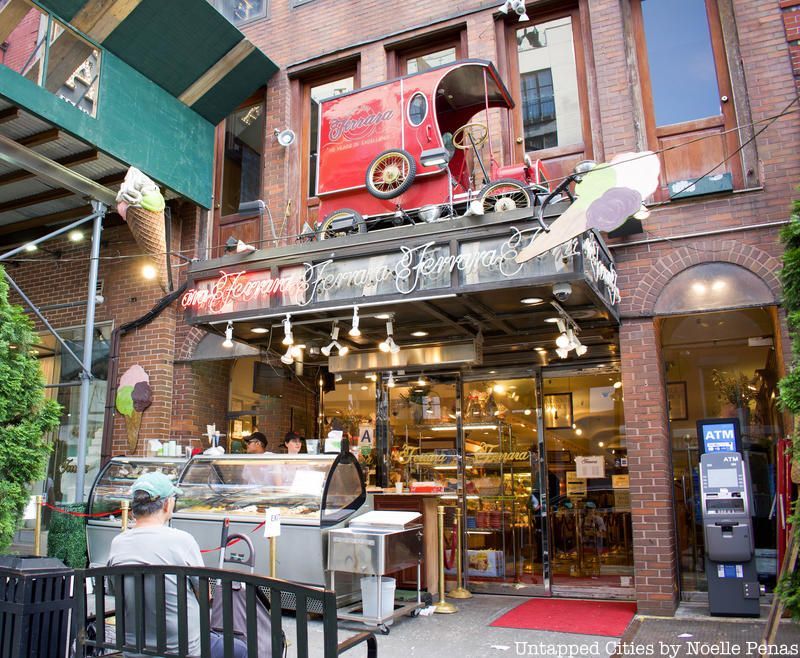
Ferrara glows like a pastry chandelier in Little Italy. Since 1892, they have plated cannoli, torrone, and gleaming cakes for opera goers and midnight wanderers.
Sit at a marble table, sip espresso, and let the city rush around you like a caffeinated hug.
Napoleon slices stack delicate layers that crack like thin ice. Rainbow cookies taste like childhood parties and holiday window shopping.
You will lick sugar from your thumb and feel suddenly elegant. Ferrara teaches that longevity is a dessert best served with a little theater and a lot of butter.
9. Orwashers Bakery, New York City, New York (est. 1916)
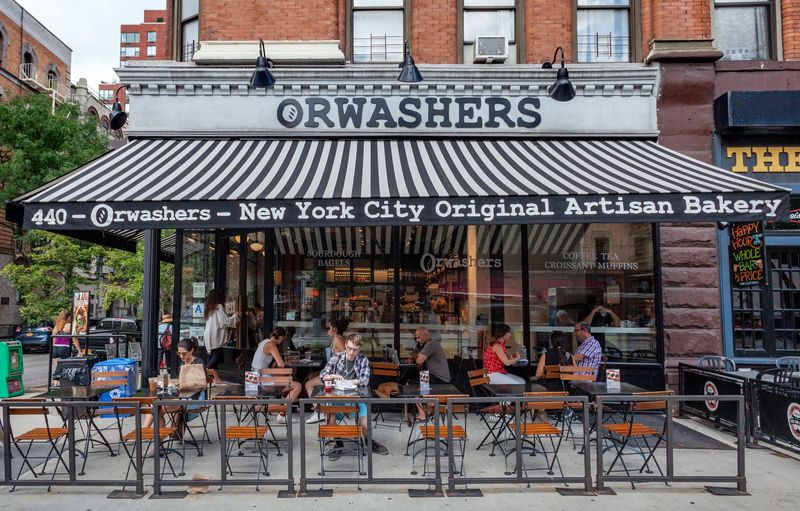
Orwashers began as a Hungarian bakery and still kneads history into every loaf. The rye carries caraway like a friendly handshake, and the black and white cookies shine modestly.
You can watch bakers score boules with quick, meaningful slashes that bloom into beautiful crusts.
Pick up a seeded baguette that crackles like kindling. Spread jam and feel the day slow down, as if bread sets the pace.
New Yorkers rush, but here they pause. That is the secret longevity ingredient: a daily bread ritual that refuses to be hurried.
10. Gambino’s Bakery, New Orleans, Louisiana (est. 1949, roots earlier)
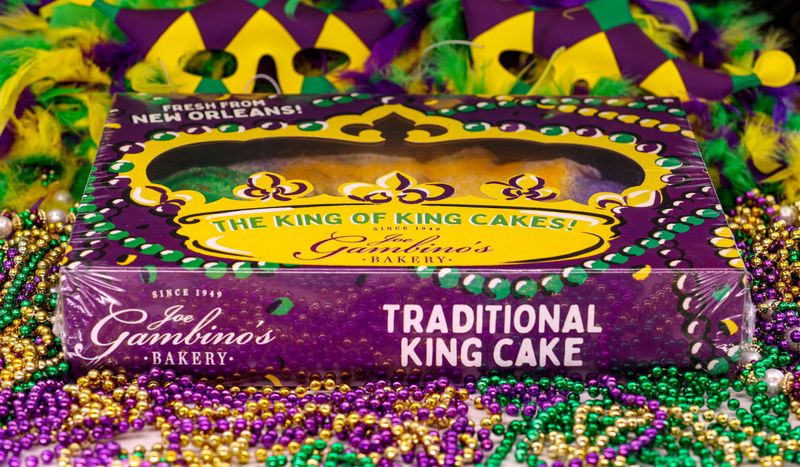
Gambino’s tastes like parades, porch stories, and powdered sugar on collars. The king cakes are braided celebrations, iced bright and hiding tradition beneath the crumbs.
You cut a slice and hope luck chooses you, while jazz floats somewhere down the block.
Doberge cakes layer pudding and frosting into a skyscraper of softness. You will find chantilly and almond flavors that whisper of weddings and Sunday suppers.
This bakery is a party even on quiet mornings. Take a box, and your day starts dancing.
11. Termini Brothers Bakery, Philadelphia, Pennsylvania (est. 1921)
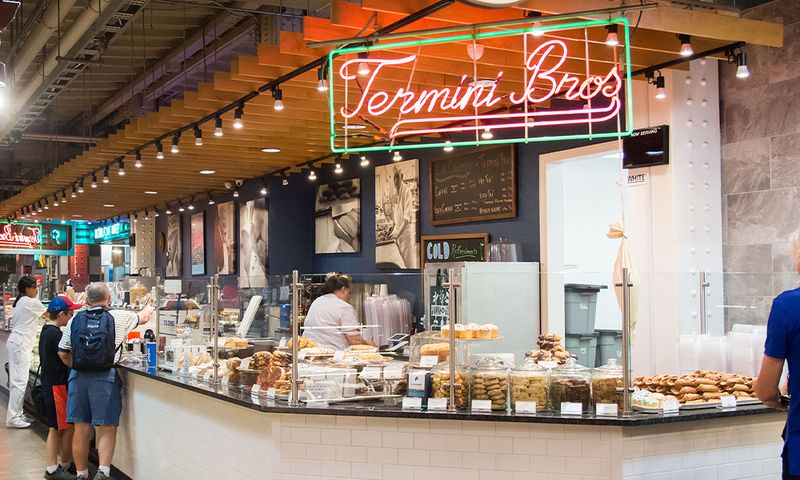
Termini Brothers greets you with glass cases that look like jewel boxes. Cannoli are filled to order, shells snapping under silky ricotta like applause after a good story.
Sfogliatelle crackle, rum cakes gleam, and the staff ties boxes like they were born with the string.
Standing in line is part of the charm, a slow build to a perfect first bite. You will taste wedding memories, graduation hugs, and late night binges in every pastry.
This family keeps tradition polished but never stuffy. The result is timeless sweetness with a Philadelphia accent.
12. Zingerman’s Bakehouse, Ann Arbor, Michigan (est. 1992, old world methods)
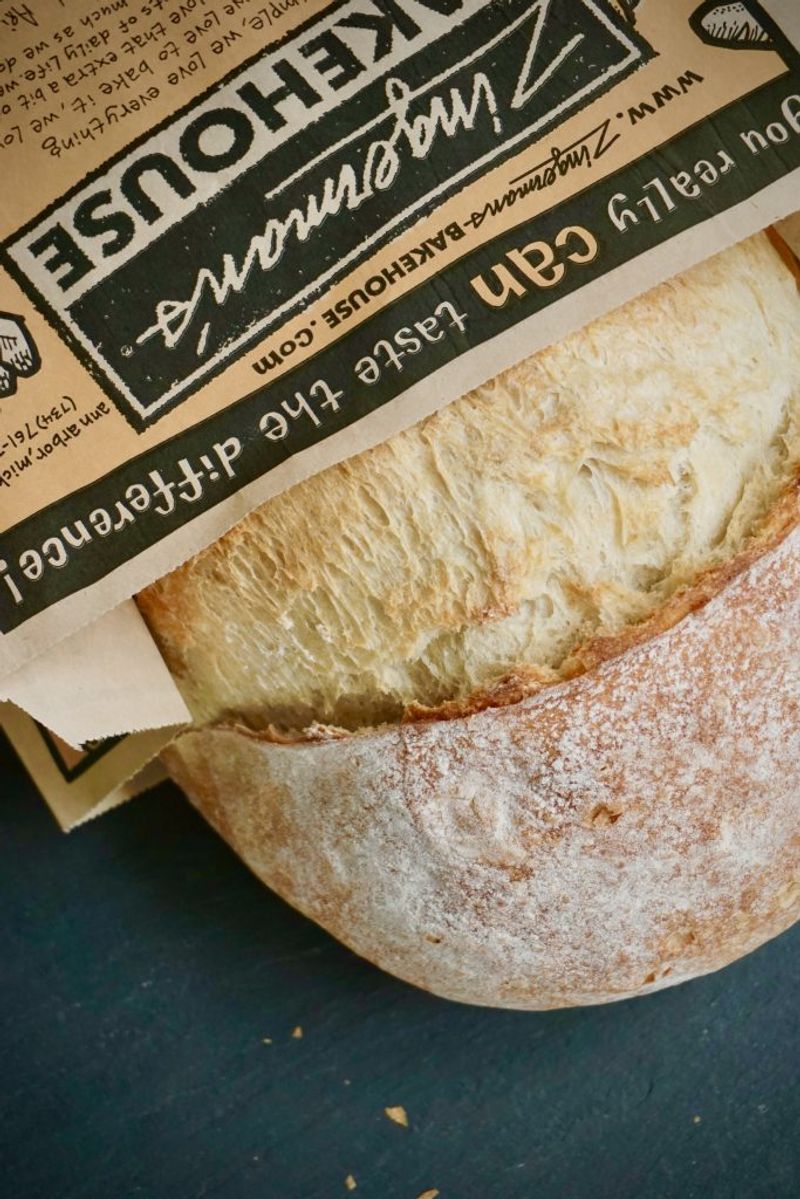
Zingerman’s may be younger, but it feels like an old soul with floury hands. The bakers chase European traditions with Michigan cheer, shaping rye, challah, and towering cakes.
You can taste meticulous sourcing in every bite, like a field trip through farms and mills.
Grab a loaf of country miche and hear the crust sing as it cools. The brownies are dense, the coffee cake honest, and the staff downright chatty.
You will leave with more than planned, because curiosity smells like cinnamon. That is how new classics earn their long future.
13. Bamboo Bakery Traditions, Honolulu, Hawaii (manapua lineage early 1900s)
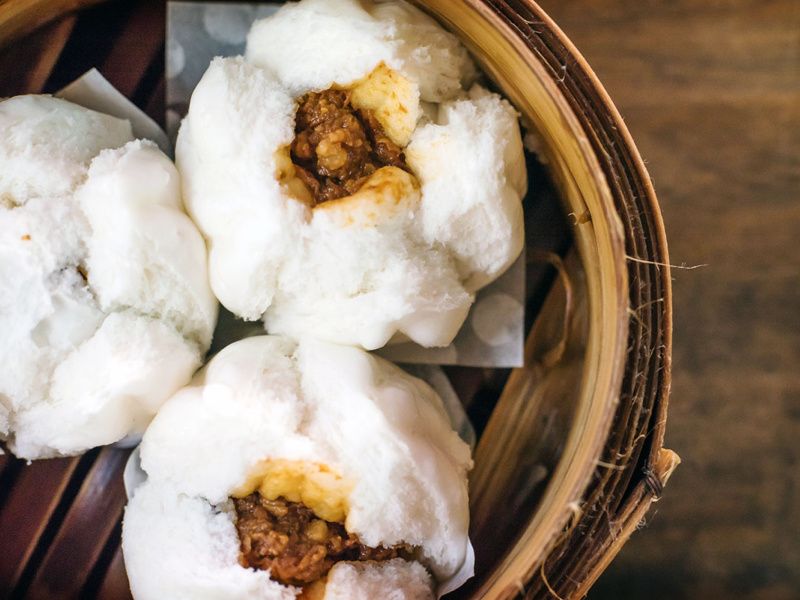
Honolulu’s manapua culture flows through neighborhood bakeries that carried char siu buns in woven baskets. This lineage hums with Chinatown steam and island shortcuts after school.
Bite into pillowy dough and sweet pork, and you will understand why the tradition refuses to fade.
Many shops share the recipe’s soul, but the story remains one of resilience and flavor. Sesame dusted tops, savory fillings, and nostalgic paper bags make it complete.
You will leave with sticky fingers and a grin. That is how history tastes in Honolulu, warm and handheld.
14. Eagle Rock Italian Bakery, Los Angeles, California (est. 1949)
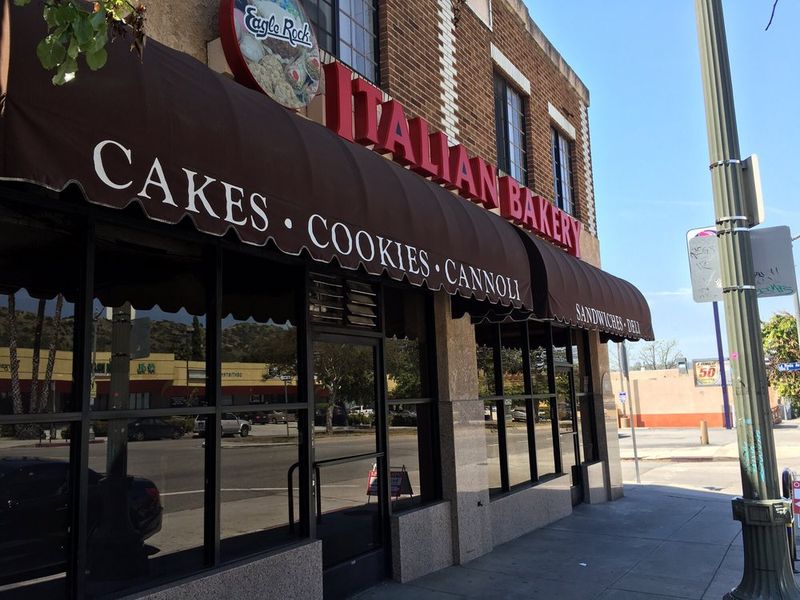
Inside Eagle Rock Italian Bakery, the air smells like sesame and oregano. Trays of deli sandwiches sit beside butter cookies dipped in chocolate and sprinkles.
The bread comes out with a bronzed crust that means business and a crumb that makes meatballs feel honored.
Locals pick up cannoli for Sunday, subs for the game, and a box of rainbow cookies just because. You will see grandparents ordering with grandkids tugging at sleeves.
This bakery has fed anniversaries, first apartments, and long commutes. Longevity is baked into every roll.
15. H&F Bread Co., Atlanta, Georgia (est. 2008, heritage methods)
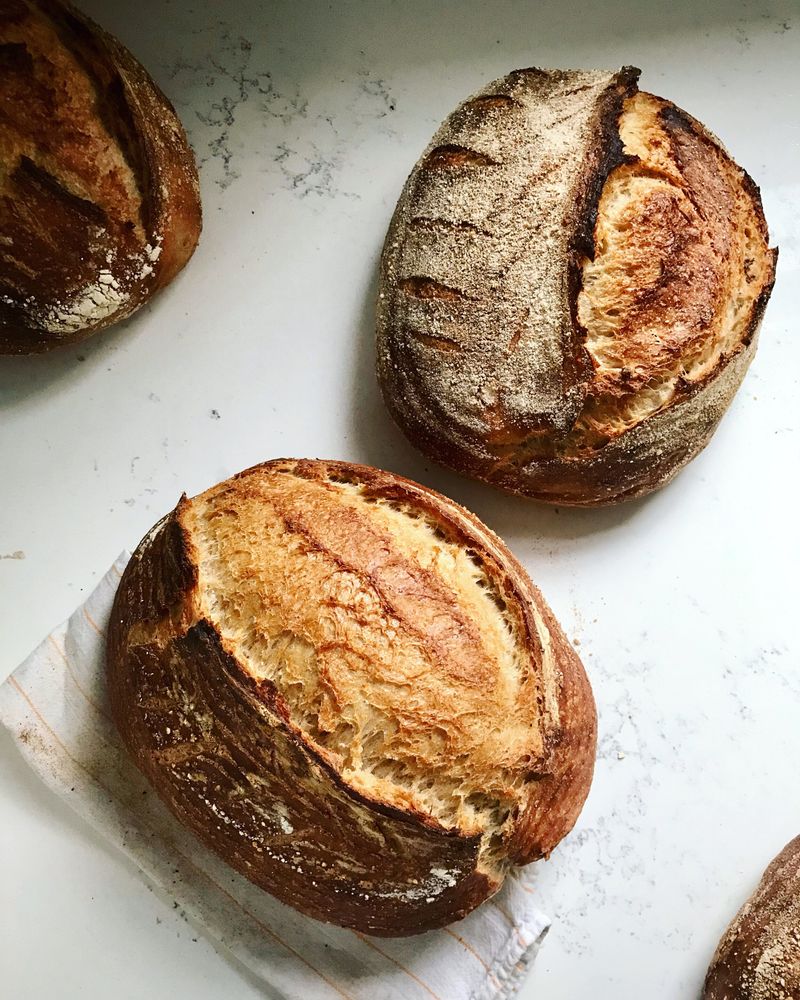
H&F Bread supplies the city but still feels like a craft secret. Long ferments, careful scoring, and blistered batards anchor a modern Southern bakery in old techniques.
You can taste patience in the airy crumb and the serious crust that stands up to barbecue sandwiches.
Grab a baguette and a pretzel roll to see two sides of the same devotion. Atlanta restaurants rely on these loaves, and you can too.
Bring one home, and supper suddenly feels planned. That is the kind of reliability bakers earn loaf by loaf.
16. La Segunda Central Bakery, Tampa, Florida (est. 1915)
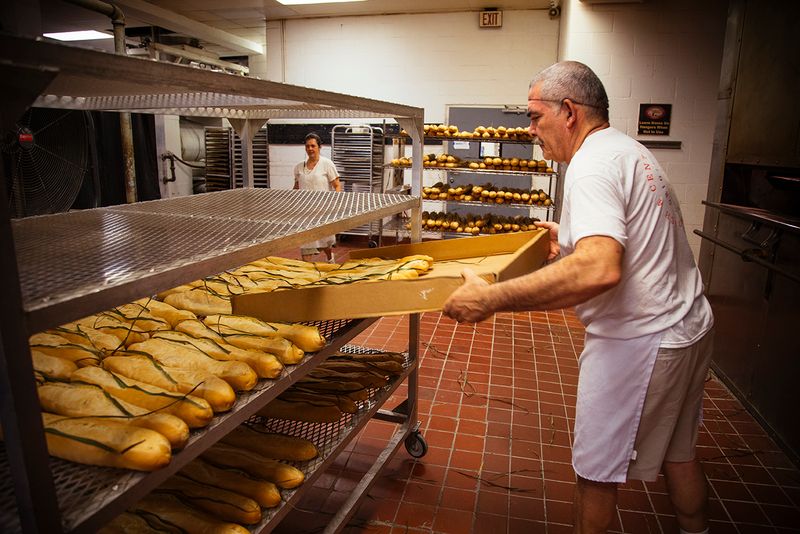
La Segunda is the heart of Tampa’s Cuban sandwich, and the bread proves it. Baked with a palmetto frond laid across the top, each loaf splits just right.
The crust whispers, the crumb stretches, and the aroma smells like lunch breaks and family gatherings.
Pick up guava pastries and meat pies while you are there. The storefront feels like a friendly time machine where Spanish, Cuban, and Italian roots mingle.
You will carry warm bags that make the car smell unbelievable. That scent has been making lives easier since 1915.
17. Boudin of the Desert, Phoenix, Arizona (heritage sourdough offshoot)
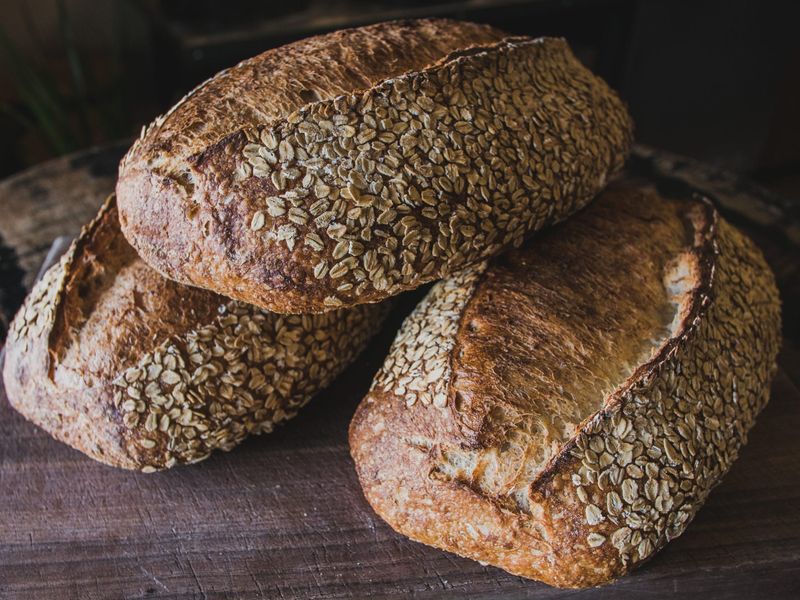
In the desert, a sourdough offshoot carries coastal DNA into sun baked days. The starter behaves differently in dry heat, but the tang and crackle still thrill.
You will break open a loaf in your car because patience is overrated when bread smells this good.
The bakery nods to Gold Rush roots while embracing Arizona mornings. Pair slices with grilled chiles, and the flavor snaps into focus.
Old meets new, and your sandwiches get happier. That is the promise of heritage adapting without losing its backbone.