15 Popular “Italian” Foods That Italians Might Not Recognize
So many foods we call Italian are actually delicious detours that grew up far from Italy. That is part of their charm, but it can surprise travelers expecting nonna’s classics.
Consider this your friendly cheat sheet, so you can love the comfort dishes you crave and still know what an Italian would expect. Ready to compare the greatest hits with the real-deal roots you would find across the peninsula?
1. Chicken Parmesan
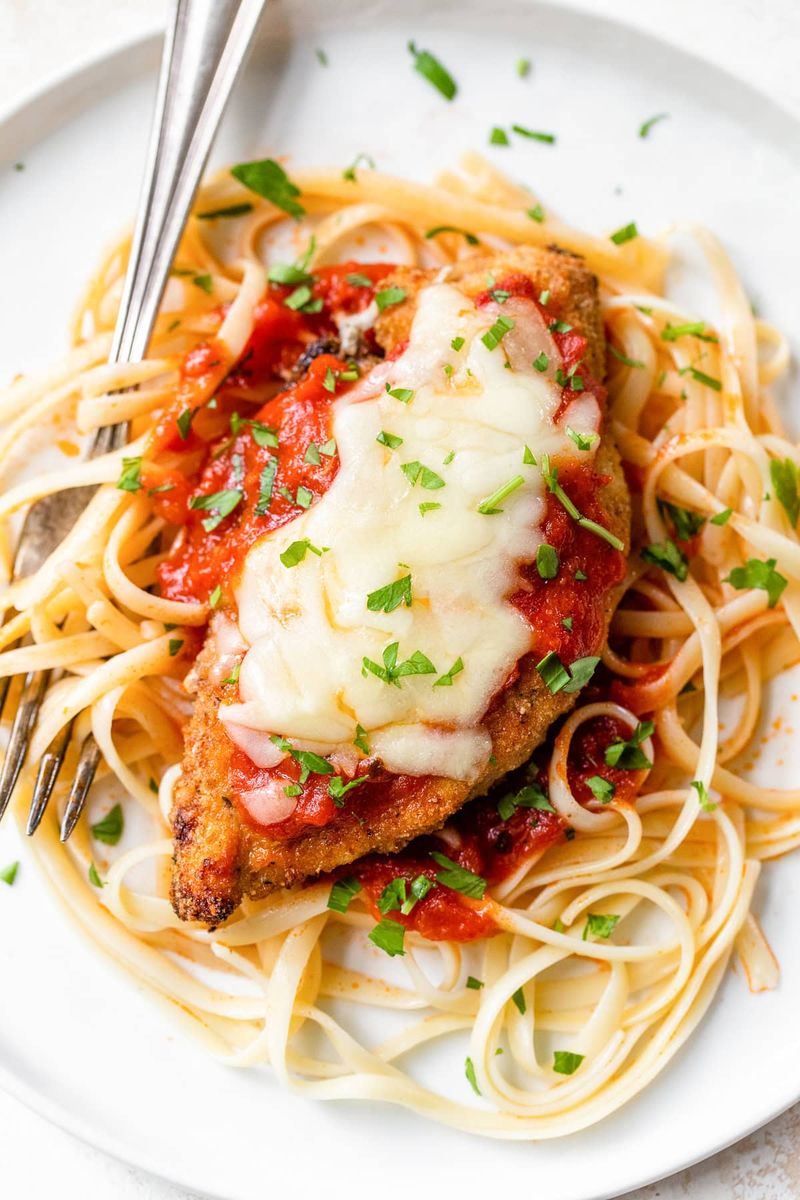
Chicken Parmesan feels comforting, crispy, and cheesy, but most Italians would expect eggplant in parmigiana, not chicken. In Italy, breaded cutlets exist, yet they are not usually drowned in marinara and blanket mozzarella.
You are really tasting a beloved Italian-American remix that grew huge in red-sauce restaurants.
If you crave something closer to Italy, try melanzane alla parmigiana, layered with fried eggplant, tomato, basil, and Parmigiano. The flavors are deeper, the texture more layered, and the cheese supports rather than smothers.
Order chicken parm proudly when you want indulgence, but know an Italian nonna might nudge you toward the eggplant and smile. You will still get that tangy-sweet sauce hit, just in a form that respects balance, texture, and tradition.
2. Fettuccine Alfredo
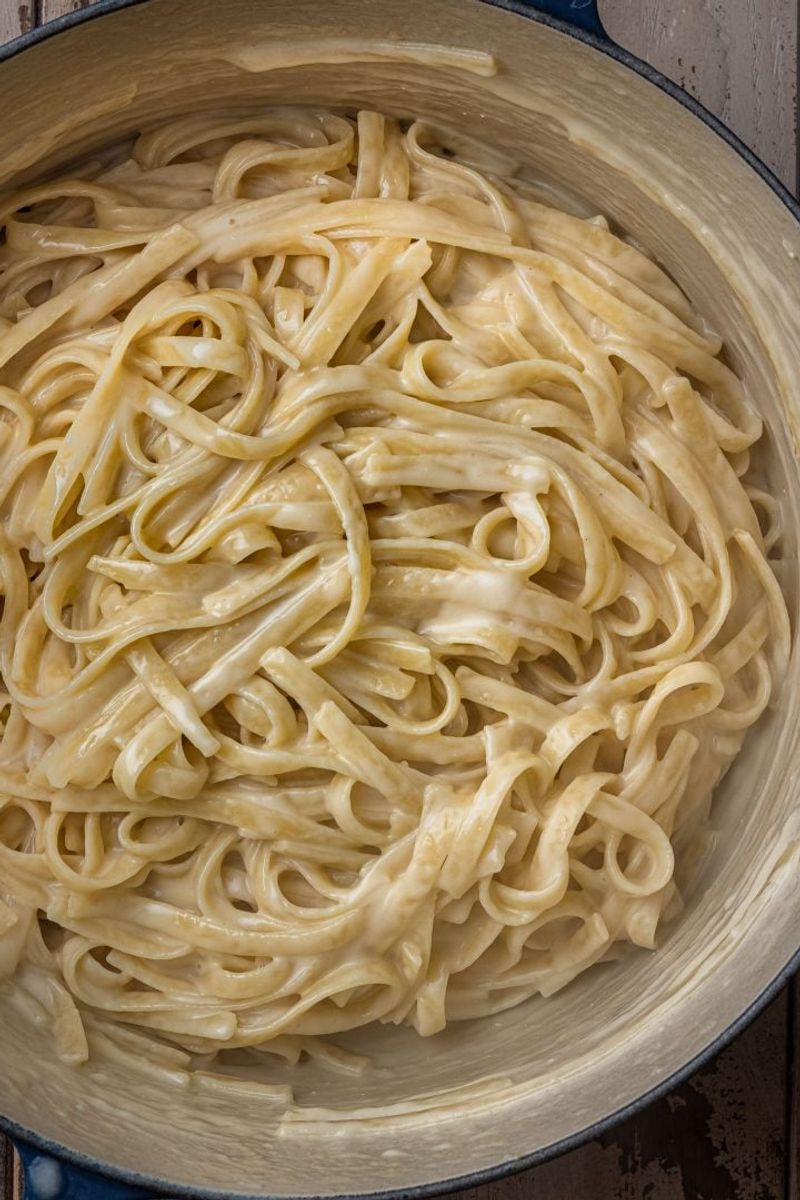
Fettuccine Alfredo in American restaurants usually means a thick cream sauce that coats every strand like a blanket. In Italy, you would more likely meet pasta al burro, just butter and Parmigiano worked into hot noodles until glossy.
The richness is there, but it feels lighter, silkier, and less heavy-handed.
If you love the creamy version, enjoy it without apology, yet know it is not a weeknight Roman staple. Try finishing your pasta with pasta water, real butter, and finely grated Parmigiano to mimic that silky emulsion.
You will taste creaminess, yes, but also wheat, cheese, and warmth, not simply a dairy wall. In Rome, the closest cousin is fettuccine al burro, and it shines when balance and restraint lead.
3. Spaghetti And Meatballs
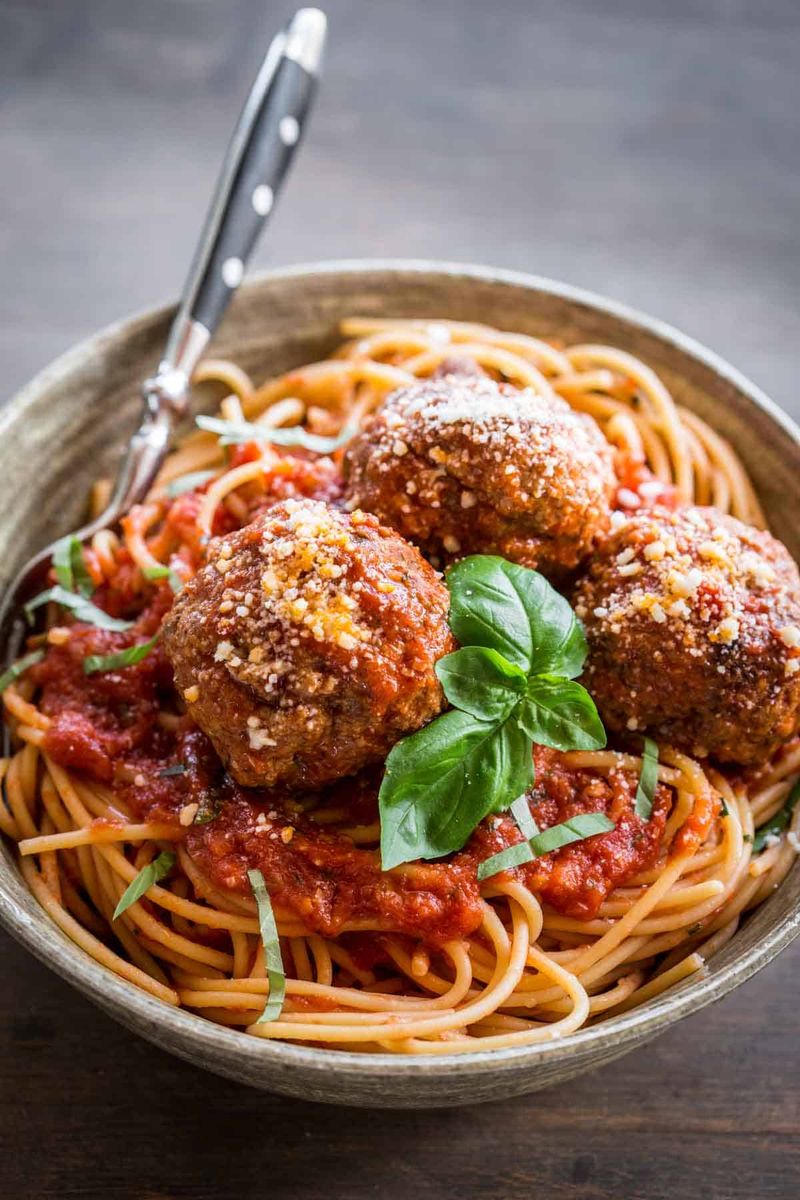
Spaghetti and meatballs is peak comfort, but Italians usually serve meatballs on their own, or in smaller sizes with different sauces. The classic mound of beefy spheres atop spaghetti with marinara is an Italian-American icon born of immigrant kitchens.
It solved hunger, stretched meat, and delivered joy to big families.
If you are chasing Italian tradition, try tiny polpette as a second course, or mix pork and veal for tenderness. Pair ragù with tagliatelle, and let the pasta shine without giant meatballs stealing the heat.
Still, when that saucy twirl calls your name, lean in and twirl proudly. You can always serve smaller meatballs on the side, then spoon a little sauce over pasta for a lighter, balanced plate instead.
4. Garlic Bread
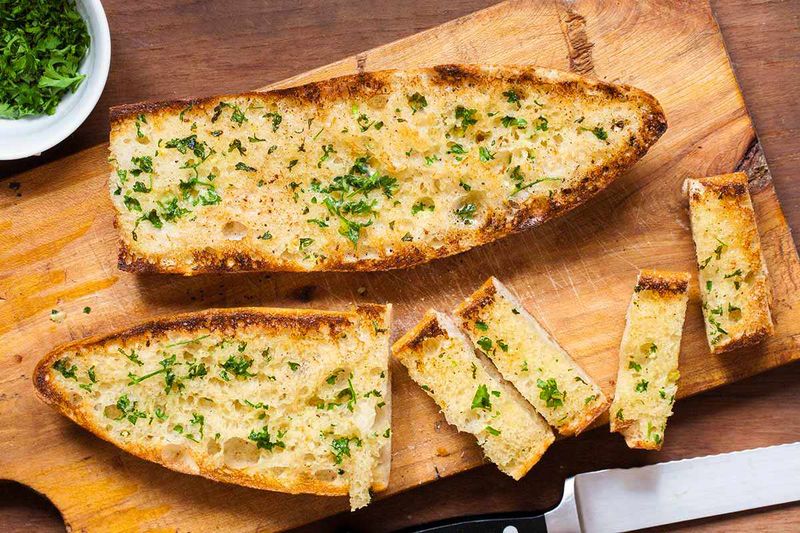
Garlic bread as you know it is more suburban trattoria than Tuscan table. Italians love bread, garlic, and olive oil, but the buttery loaf drenched in chopped garlic and cheese is a stateside crowd-pleaser.
In Italy, you are more likely to see bruschetta brushed with oil and a whisper of garlic.
Craving that hit of aroma and crunch? Try toasting good country bread, rubbing the cut clove lightly, then finishing with fruity oil and salt.
You get fragrance without the heavy butter blanket. Add tomatoes or anchovies if you like, and you will taste clearer flavors clicking into place.
For a richer move, melt a touch of butter into the oil, but keep restraint so texture and wheat still matter.
5. Pepperoni Pizza
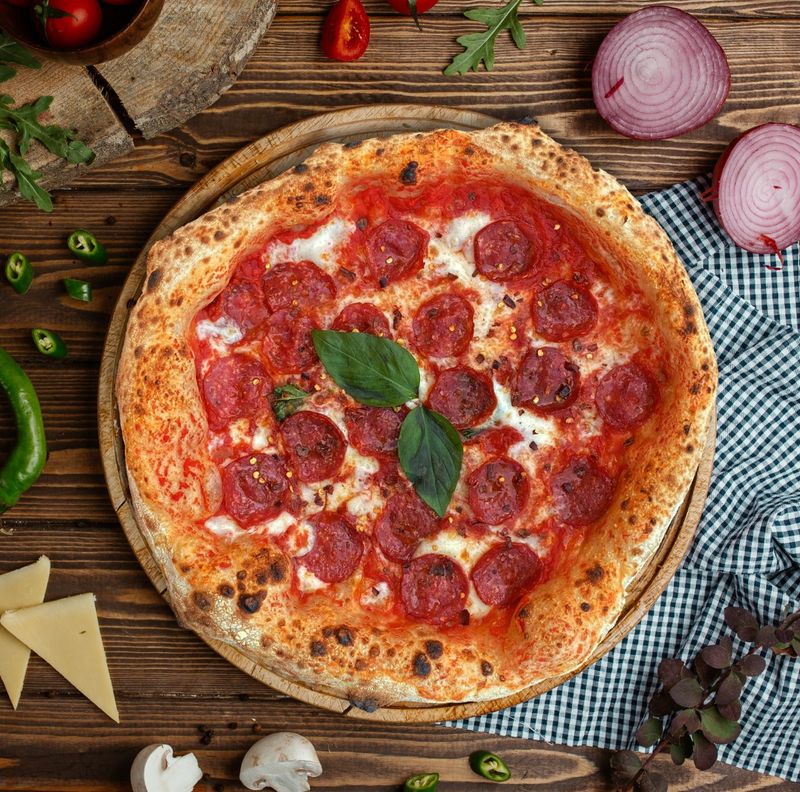
Pepperoni pizza screams Friday night in America, yet the word peperoni in Italy means bell peppers. Order it there and you might get a colorful vegetable topping, not spicy salami.
The American pepperoni sausage is its own creation, seasoned and cured for that familiar smoky, punchy bite.
If you crave heat in Italy, look for diavola, often topped with spicy salami that scratches a similar itch. The crust will likely be thinner, the cheese lighter, and the balance sharper.
Back home, enjoy your pepperoni pie, but now you know why an Italian friend might chuckle. Ask for salamino piccante or nduja in some regions, and you will meet bolder flavors without the heavy grease blanket Americans often expect at pizzerias.
6. Chicken Alfredo
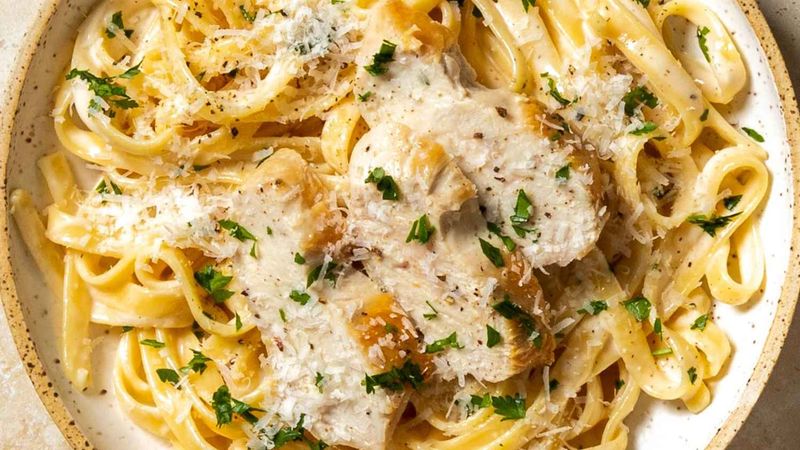
Chicken Alfredo doubles down on the creamy fantasy, but meat folded into a dairy-rich pasta reads foreign to many Italians. In Rome, a similar dish would stay simple, letting butter, Parmigiano, and pasta water emulsify into gloss.
Adding chicken turns it into a full entree American style.
If you love it, you are not wrong. Try searing the chicken separately and serving slices alongside, so the sauce keeps its silky body.
Season with black pepper and a squeeze of lemon to brighten, and you will taste something cleaner. It becomes indulgent yet composed, not soupy and muddled.
Serve peas or bitter greens on the side, and the contrast reins in richness while giving you freshness, color, and crunch at dinner.
7. “Spaghetti Bolognese” With Lots Of Tomato Sauce
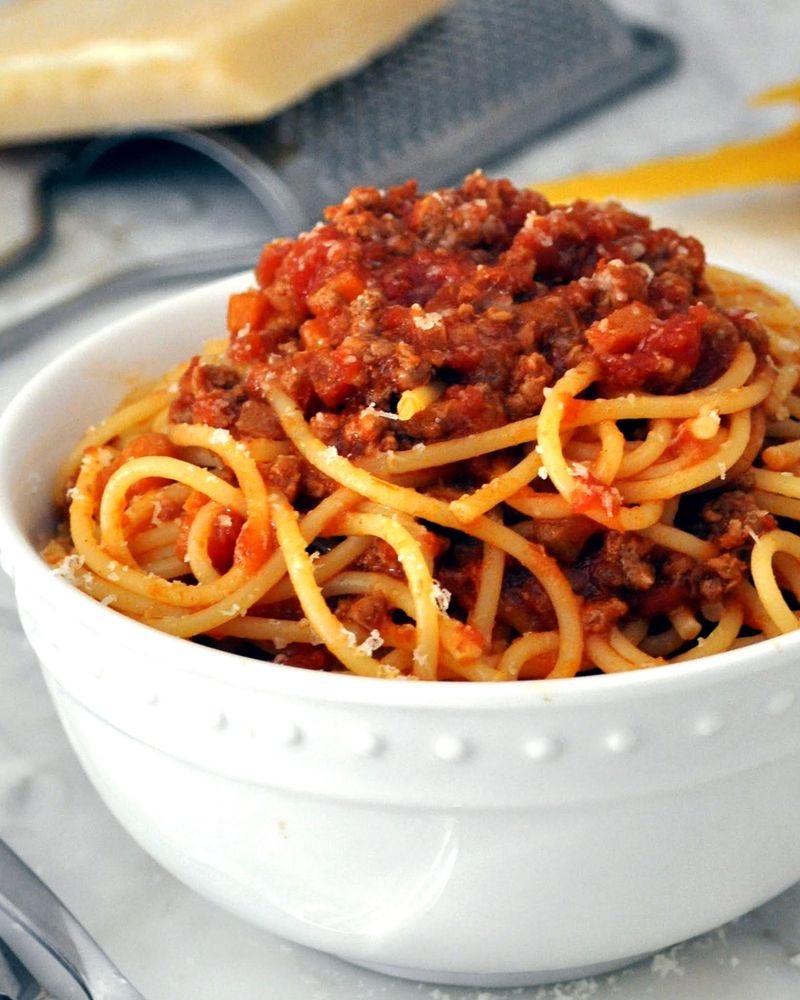
Ask for spaghetti Bolognese in Bologna and you will gently be corrected. The local ragù is slow-cooked, meat-led, and served with tagliatelle, not a bright red lake over spaghetti.
Tomatoes are present, sure, but they support rather than dominate.
If you want to honor tradition, cook your soffritto patiently, brown the meat deeply, and add milk for roundness. Simmer until everything tastes married, then toss with wide egg pasta that holds the sauce.
Keep portions modest and parmesan freshly grated. You will discover comfort without the marinara flood many menus glorify.
At home, you can still use spaghetti, but go lighter on sauce, focus on texture, and let meat, wine, and aromatics take the lead for a truer Bolognese experience.
8. Italian Dressing
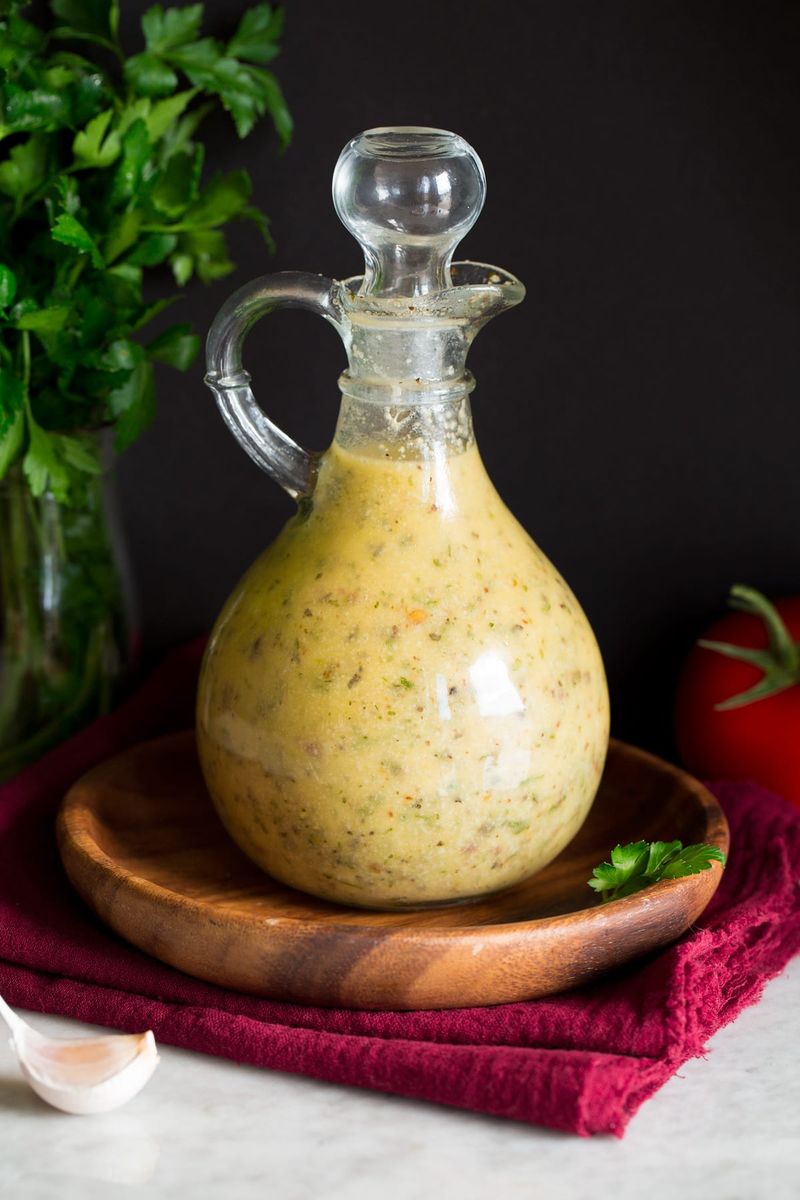
Bottled Italian dressing tastes zippy and familiar, but it is not a standard Italian table staple. In Italian homes, salads are dressed right before eating with olive oil, vinegar or lemon, and salt.
Sometimes a crack of pepper appears, nothing more elaborate.
You can copy that rhythm easily. Splash good oil, add acidity to taste, season with salt, and toss until leaves shine.
If you want herbs, rub them into the bowl so perfume kisses the greens. Suddenly your salad tastes cleaner, the vegetables matter more, and the meal feels lighter without the sugary tang.
Save the bottled stuff for nostalgia nights, and keep a small lineup of oils and vinegars to mix on the fly.
9. Shrimp Scampi
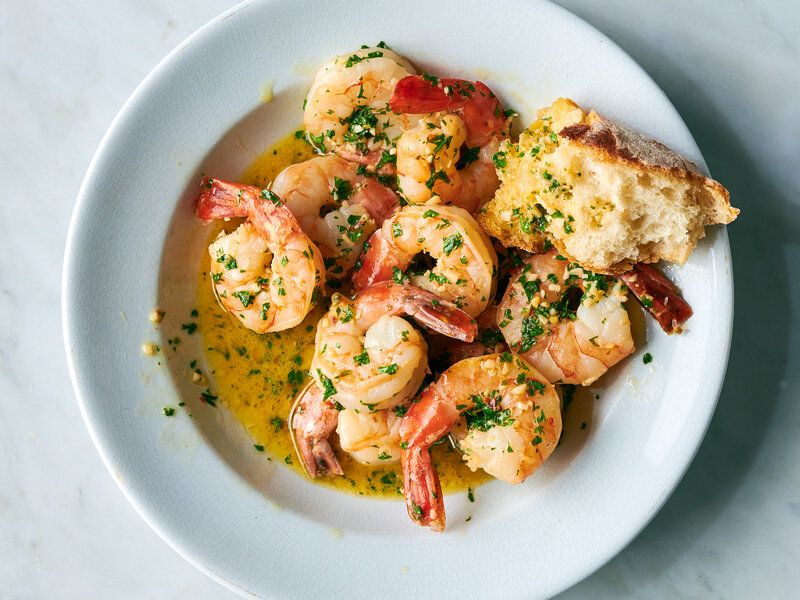
Shrimp scampi on menus mashes two ideas: American shrimp and Italian scampi, which are actually little lobster-like creatures. The buttery garlic-wine sauce is delicious, but the name confuses native speakers.
In Italy, you might find scampi grilled or sautéed simply to show off their sweetness.
When cooking at home, keep it bright and quick. Sizzle garlic gently in olive oil, splash in wine, add lemon, then swirl butter to finish.
Toss with shrimp just until pink and juicy, and shower with parsley. Serve over toasted bread or pasta, but let the seafood lead and the sauce play backup.
That way, each bite tastes ocean-bright, not weighed down by cream or unnecessary extras that steal the spotlight.
10. Baked Ziti As A Default Restaurant Staple
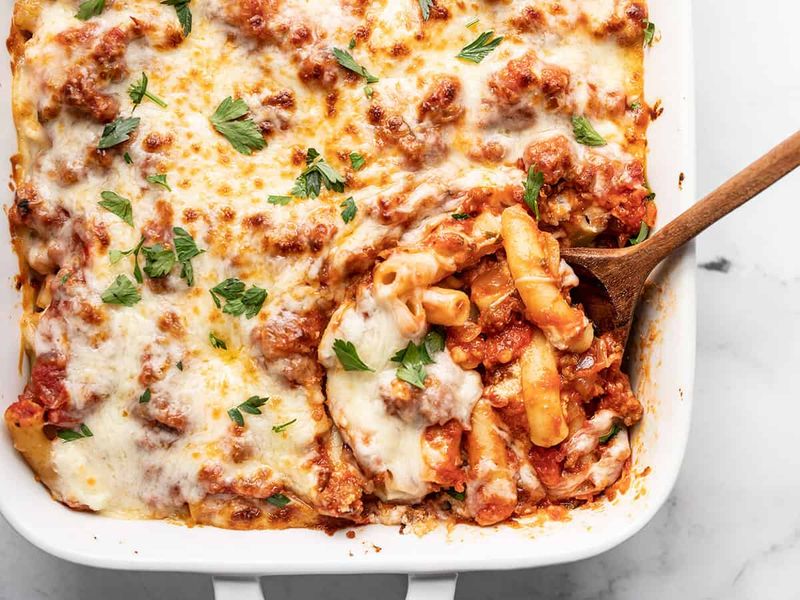
Baked ziti feels like the parade float of red-sauce dining, all melty cheese and bubbling edges. In Italy, baked pastas exist, but they are not default fixtures on every menu.
The Italian-American pan of ziti, ricotta, marinara, and mozzarella became a reliable crowd-feeder.
Crave it at home? Par-cook the pasta, season the ricotta well, and layer with sauce so every bite stays moist.
Add basil and a little provolone for tang, then bake until the top freckles brown. For something more Italian, explore pasta al forno with ragù and béchamel, measured and balanced rather than just gooey.
Serve a crisp salad alongside and you will balance richness, turning a heavy casserole into a satisfying, complete, shareable meal nicely.
11. “Spaghetti And Marinara” As A Classic Italian Main
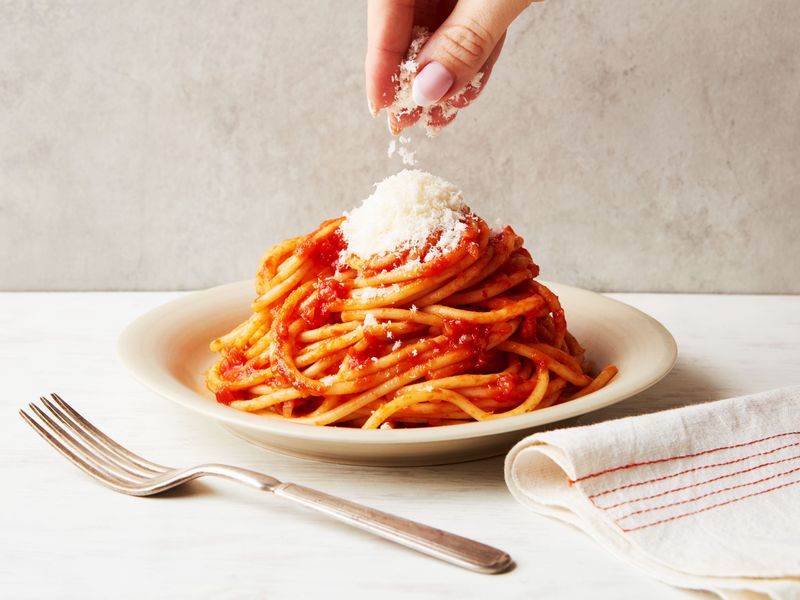
Spaghetti and marinara sounds classic, but the word marinara on American menus covers many tomato sauces. In Italy, a simple tomato sauce exists, yet pasta shapes and sauces are paired thoughtfully.
You are less likely to see a giant bowl swimming in red by default.
At home, try simmering tomatoes with garlic and olive oil, finishing with basil and salt. Toss lightly so the pasta still shines, and save extra sauce for another shape.
Add chili flakes if you crave heat. You will find the dish becomes brighter, faster, and more satisfying when you respect proportions and pasta texture.
Think of sauce as seasoning, not soup, and your spaghetti starts tasting Italian rather than generic red-sauce comfort.
12. Chicken Piccata
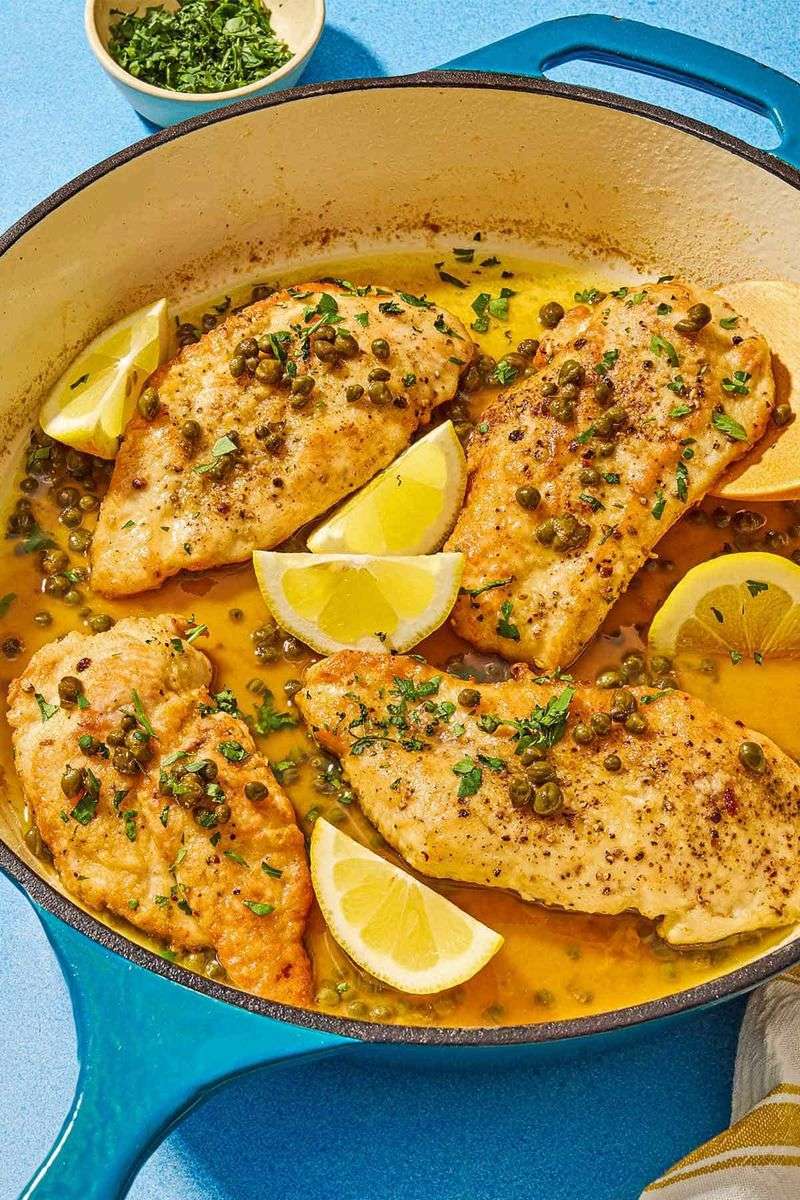
Chicken piccata delivers bright lemon, capers, and butter, but in Italy the piccata technique traditionally favors veal. The chicken version rose in Italian-American kitchens where veal was costly or controversial.
The spirit is similar, yet the texture and flavor read differently on the plate.
When making it, pound evenly, season assertively, and pan-fry quickly so the cutlets stay tender. Deglaze with wine, whisk in butter off heat, and finish with briny capers and lemon slices.
Serve alongside greens or potatoes, not over pasta, keeping the sauce glossy instead of gloopy. You will taste zip and savor, not a heavy, flour-thickened blanket.
A finishing shower of parsley and zest wakes everything up and keeps the profile clean, bright, and weeknight-friendly.
13. Meat Lover’s Pizza
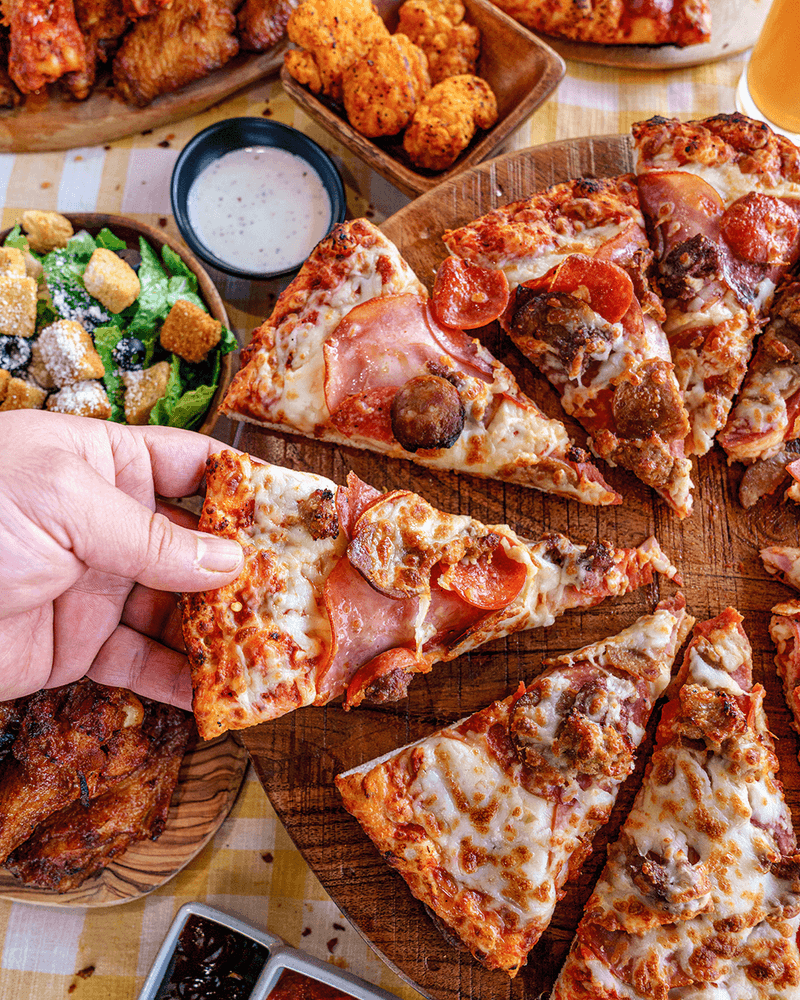
Meat lover’s pizza stacks pepperoni, sausage, bacon, and ham until the crust surrenders. In Italy, pizzas are often restrained, with a few excellent toppings and lots of airy crust.
The aim is balance, not a mountain of proteins fighting for attention.
If you love the pile-on, there is still room for finesse. Try fewer meats in smaller amounts, boost with chilies or herbs, and let sauce and cheese breathe.
Bake hotter for better leopard spotting and lift. You will get savory punch without grease puddles, and the slice will finally taste like pizza first, toppings second.
A drizzle of good olive oil and a dusting of pecorino at the table add aroma, salinity, and elegance without extra weight.
14. “Spaghetti And Sausage With Peppers” As An Italian Classic
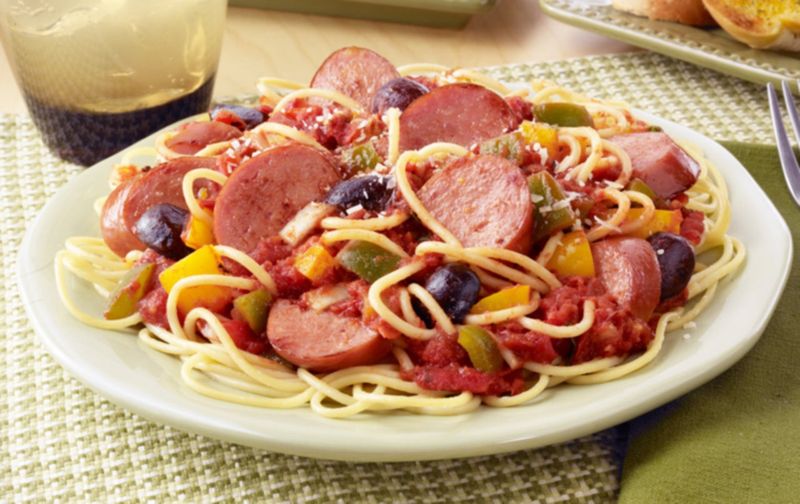
Sausage and peppers are beloved in Italian-American homes and street fairs, often piled into rolls or tossed with pasta. In Italy, you will find great sausage and beautiful peppers, but the specific combo with spaghetti reads American.
It tastes great, just not particularly traditional.
Cook peppers slowly until sweet, brown the sausage well, and deglaze with a splash of vinegar or wine. If you add pasta, keep it modest and juicy rather than heavy.
A shower of parsley and a touch of chili make everything pop. You will get festival vibes at the table without pretending it is a trattoria standard.
Serve bread on the side to catch juices, and the meal feels generous, rustic, and completely weeknight achievable.
15. Caesar Salad
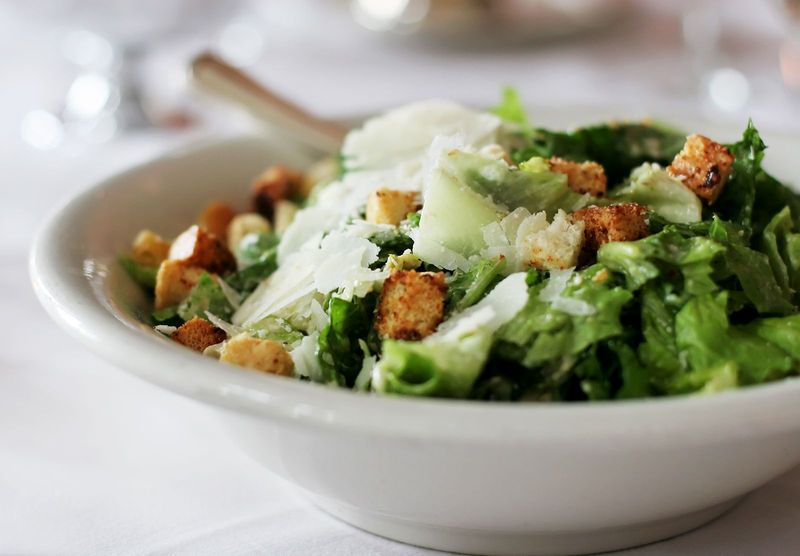
Caesar salad shows up on countless Italian-American menus, so it is easy to assume it is Italian. It was created in Mexico by an Italian immigrant, and it became a sensation across North America.
In Italy, you are more likely to meet simpler salads dressed tableside.
If you crave that creamy, briny snap, make your own dressing with anchovies, lemon, egg yolk, mustard, and Parmigiano. Toss with crunchy romaine and garlicky croutons, adding grilled chicken only if you want a full meal.
The trick is balance: big flavor, crisp texture, and enough acidity to keep every bite lively. Skip heavy cream and let egg yolk, oil, and water create body, so the salad tastes bright rather than cloying.