17 Traditional Greek Dishes And The Telltale Signs They Were Made Right
Greek food is more than just a meal — it’s a window into centuries of culture, family tradition, and sun-soaked Mediterranean life. From hearty baked casseroles to crispy street snacks, each dish tells a story rooted in simple, honest ingredients.
But not every version you encounter lives up to the real thing. Knowing what to look for helps you spot the authentic from the imitation every single time.
1. Moussaka
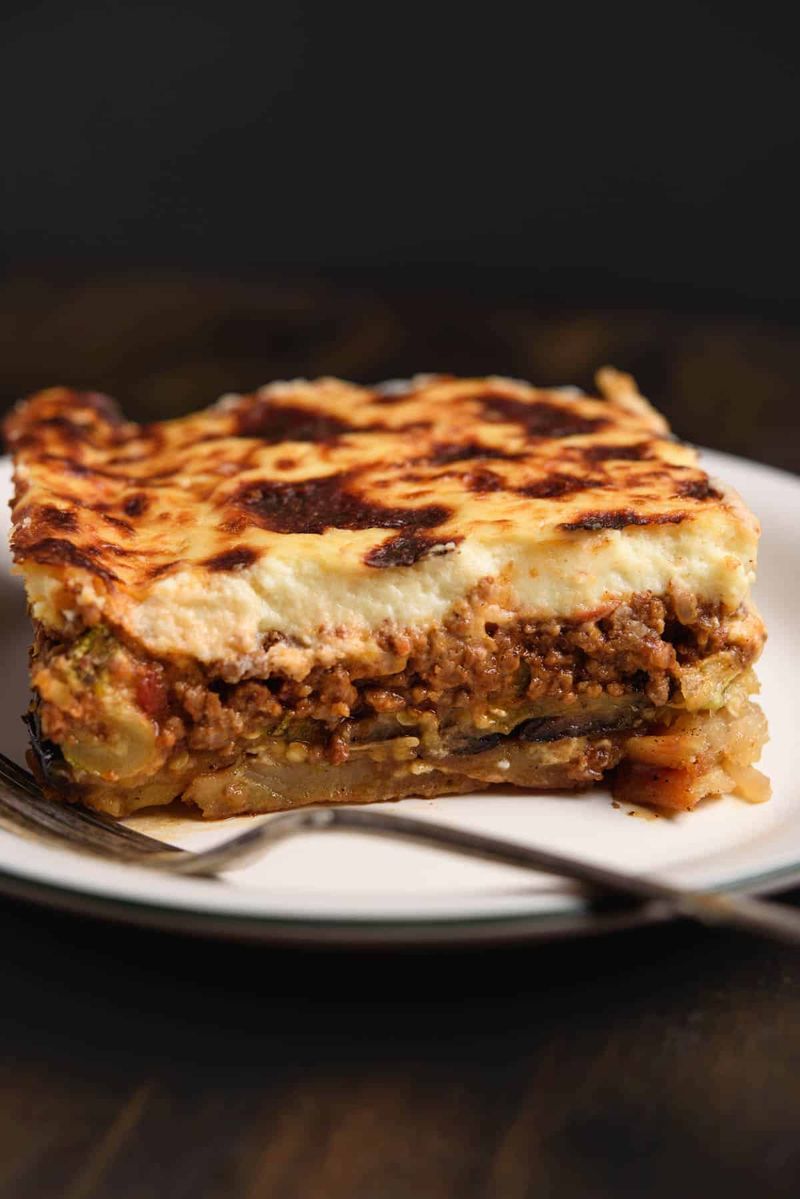
Few dishes carry the soul of Greek home cooking quite like moussaka. When it’s made right, you can see three distinct, well-defined layers — roasted eggplant, deeply spiced meat sauce, and a thick, custard-like béchamel on top.
The meat sauce should carry a warm hint of cinnamon and red wine, traditionally using ground lamb or a lamb-beef blend. That golden, slightly firm béchamel crust on top?
That’s the clearest sign someone knew exactly what they were doing.
2. Souvlaki
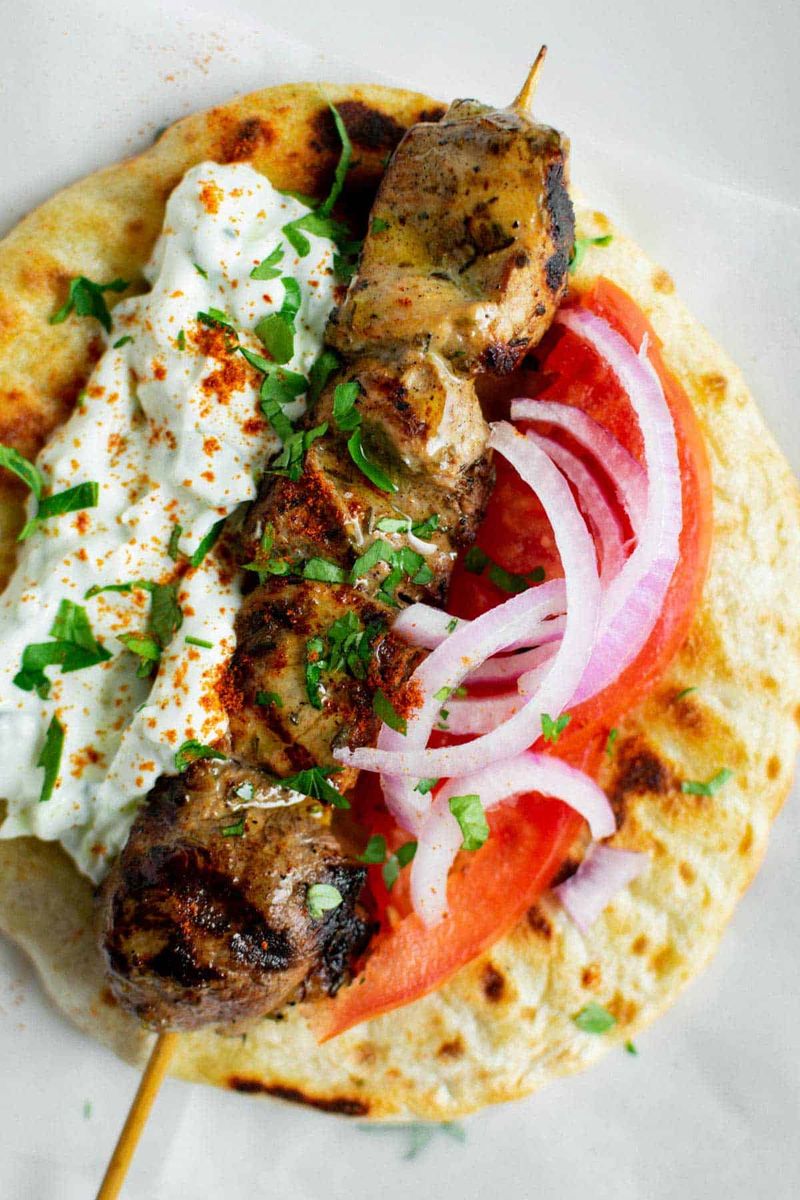
Souvlaki is Greece’s beloved street food, and the difference between average and outstanding comes down to the marinade. Authentic souvlaki uses olive oil, garlic, dried oregano, and lemon zest — not juice — to tenderize and flavor the pork before it hits a blazing hot grill.
Look for that signature golden-brown char on the outside while the inside stays juicy and tender. Served hot with warm pita and creamy tzatziki, a properly made souvlaki smells like a Greek summer afternoon.
3. Tzatziki
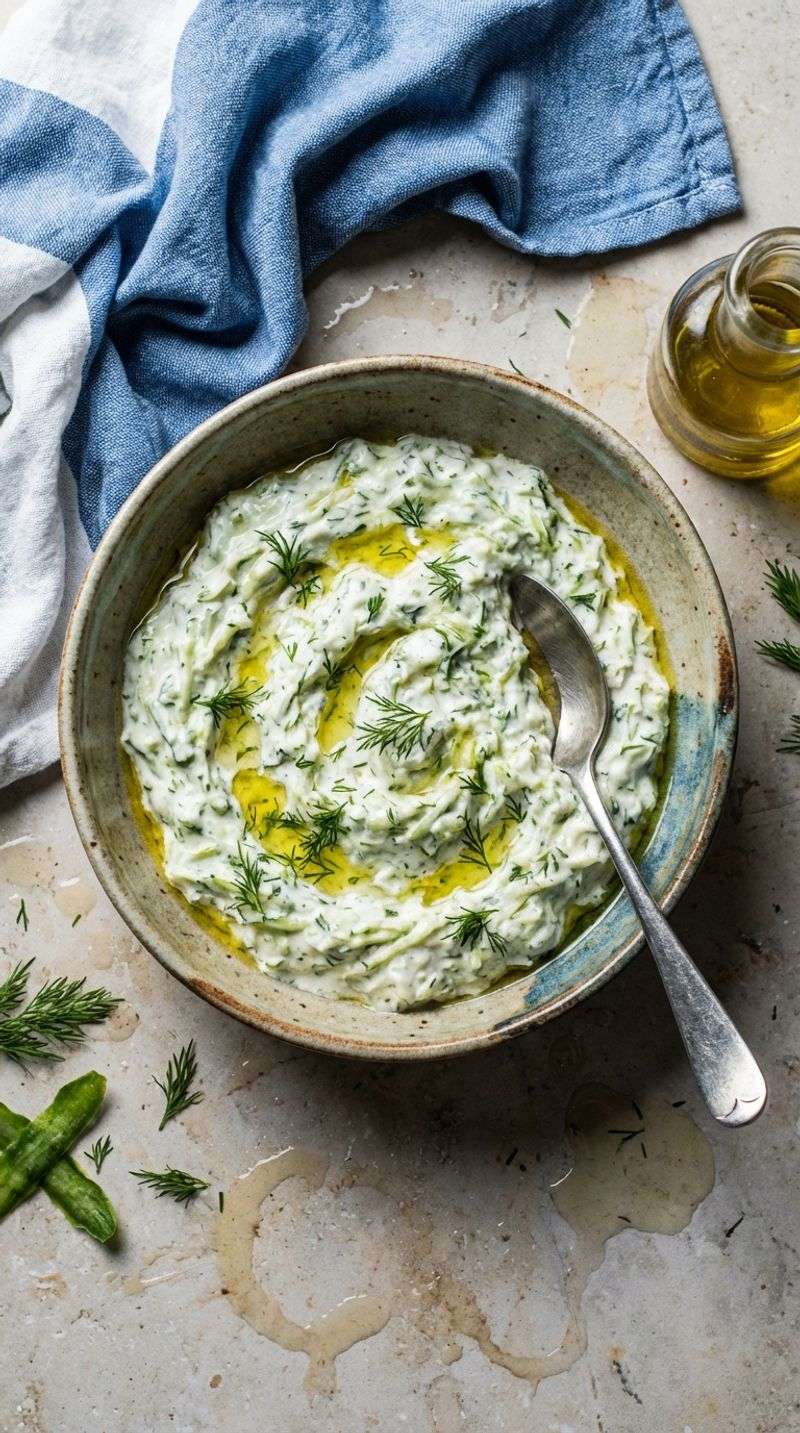
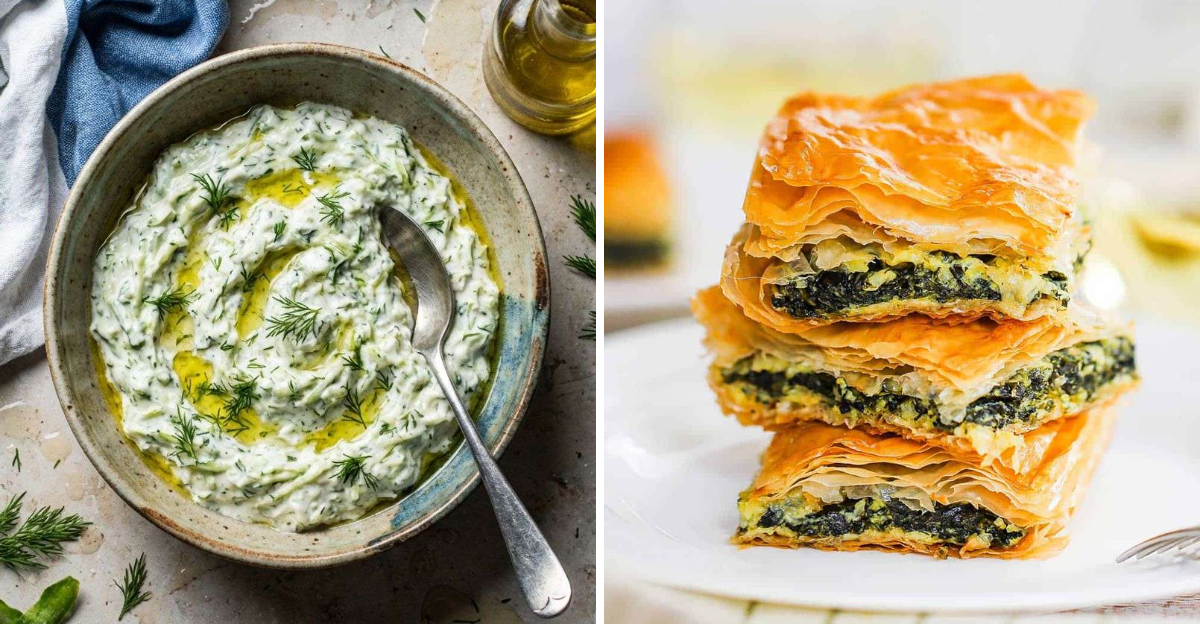
Tzatziki might look simple, but getting it right takes attention to detail. The yogurt must be thick and strained — watery tzatziki is a red flag immediately.
Grated cucumber needs to be squeezed dry before mixing, or the dip turns soupy fast.
Garlic adds the punch, fresh dill or mint adds brightness, and a drizzle of good olive oil on top pulls it all together. A properly made tzatziki is cool, creamy, and refreshing — the perfect contrast to anything savory and smoky.
4. Loukoumades
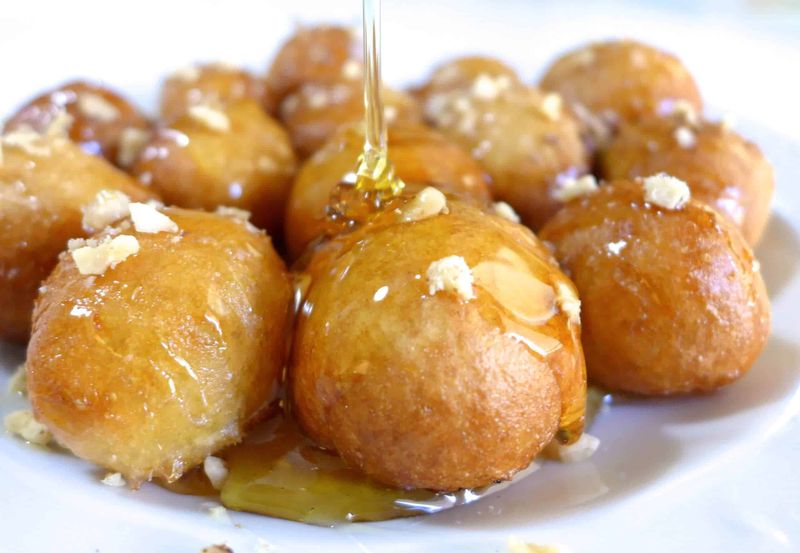
Greece’s answer to doughnuts, loukoumades have been enjoyed since ancient times — they were reportedly served to Olympic athletes as sweet rewards. The telltale sign of a perfect batch is that irresistible contrast: a crispy, deep-golden shell giving way to a soft, airy, almost cloud-like center.
Frying temperature is everything here. Too hot and they brown before cooking through; too cool and they soak up grease.
Served warm, drenched in honey, and dusted with cinnamon, they should be eaten immediately.
5. Keftedes (Greek Meatballs)
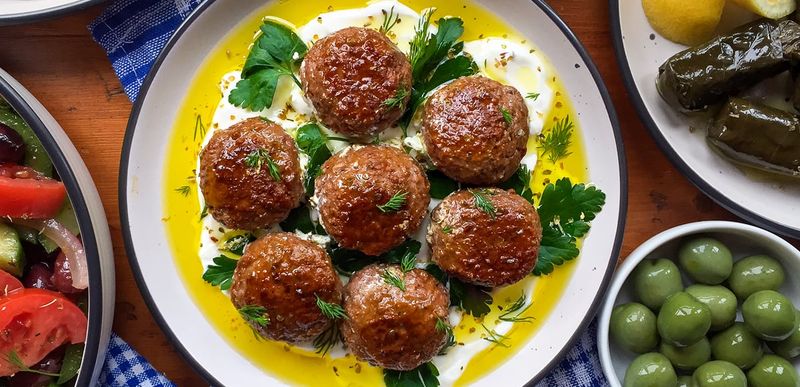
Keftedes are not your average meatballs. What sets them apart is the bold, fragrant herb blend — fresh oregano, mint, and parsley — that makes each bite aromatic and lively rather than heavy or dense.
They’re pan-fried in olive oil until a golden, crispy crust forms on the outside, while the inside stays moist and tender. Over-packing them with breadcrumbs is a common mistake that kills the texture.
When made right, keftedes feel light, herby, and satisfying all at once.
6. Tiropita (Greek Cheese Pie)
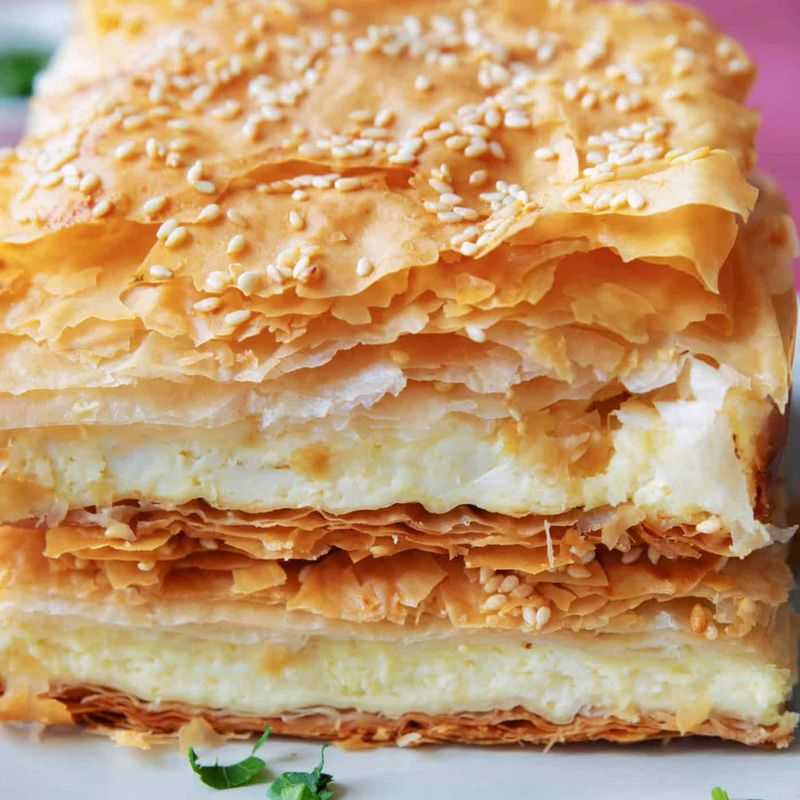
Crack through the top layer of a well-made tiropita and you’ll hear a satisfying shatter — that’s exactly what you want. Each sheet of phyllo should be brushed generously with melted butter, creating those ultra-crispy, paper-thin golden layers that flake apart beautifully.
The filling is a rich, creamy blend of feta and other cheeses combined with eggs, sometimes with a spoonful of Greek yogurt for extra richness. A soggy or pale crust means the butter was skipped, and that’s a serious compromise.
7. Gyros
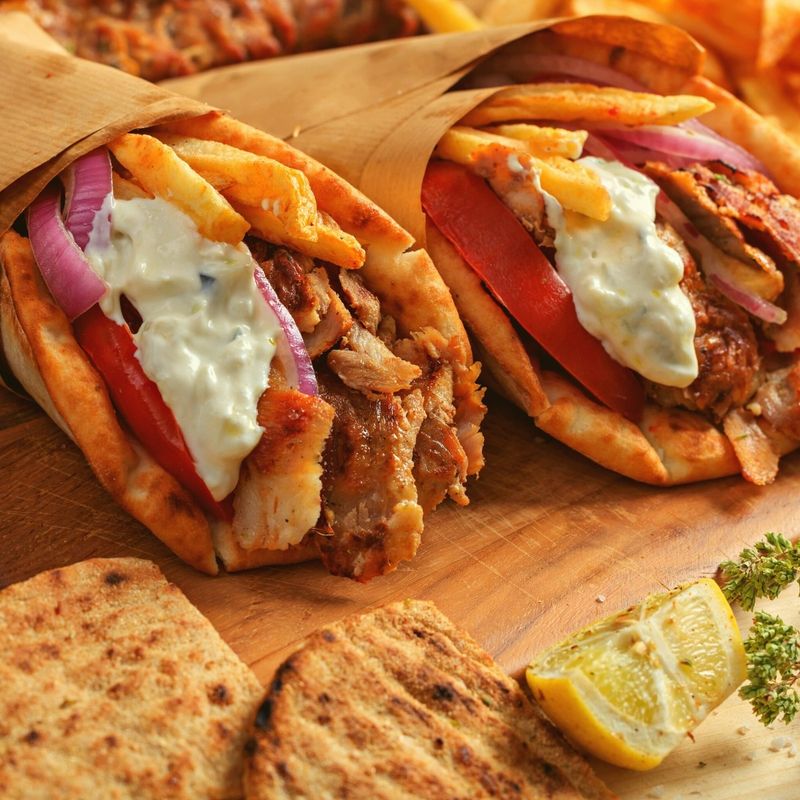
Real Greek gyros starts with whole cuts of pork or chicken stacked onto a vertical rotisserie and slow-cooked for hours. That slow rotation develops a beautifully crispy, caramelized outer crust while keeping the meat underneath tender and juicy — a texture combination that pre-sliced shortcuts simply can’t replicate.
Seasoned with garlic, oregano, thyme, and a whisper of lemon, it’s wrapped in warm pita with tzatziki, tomatoes, and onions. If the meat looks uniform and processed, it’s probably not the real deal.
8. Choriatiki Salata (Greek Salad)
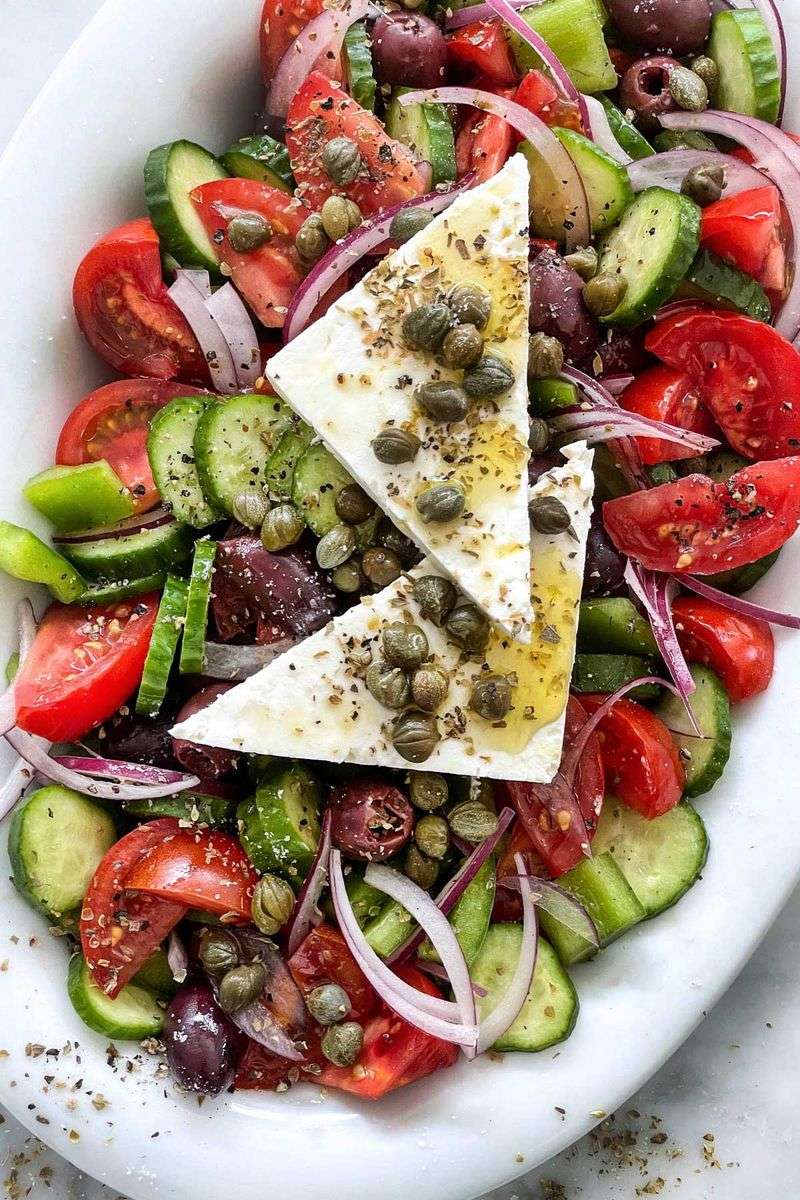
Here’s a quick authenticity test for Greek salad: look for lettuce. If you find it, that’s not Horiatiki.
The real version relies entirely on ripe tomatoes, chunky cucumber, green bell pepper, red onion, and Kalamata olives, crowned with a solid block of feta cheese — never crumbled.
A simple drizzle of extra virgin olive oil and a generous pinch of dried oregano is all the dressing it needs. Letting it rest at room temperature for about 30 minutes before serving allows the flavors to beautifully meld together.
9. Galaktoboureko
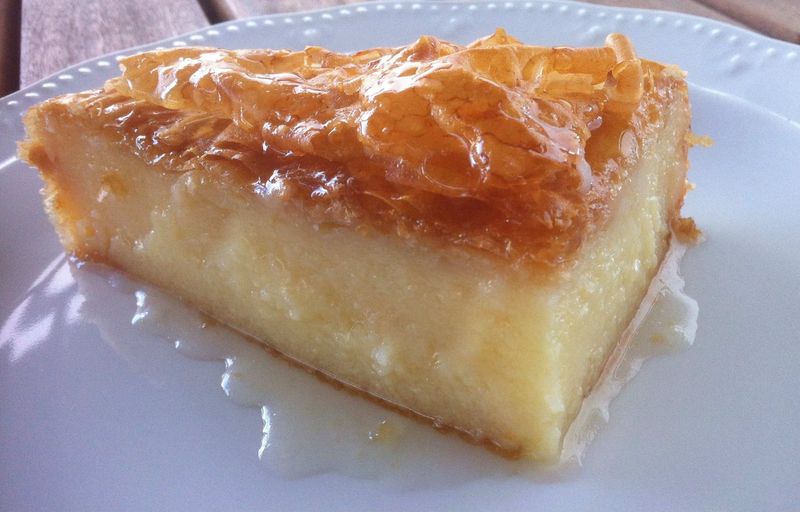
Galaktoboureko might be one of the hardest Greek dessert names to pronounce, but one bite and you’ll never forget it. This showstopper layers crispy, flaky filo pastry around a silky smooth semolina custard that’s soft and gently sweet.
After baking, a warm sugar syrup scented with lemon peel is poured over the top, soaking in without turning the pastry mushy — that balance is the true mark of skill. The top layers should stay distinctly crisp while the inside remains luxuriously creamy.
10. Dolmades (Stuffed Grape Leaves)
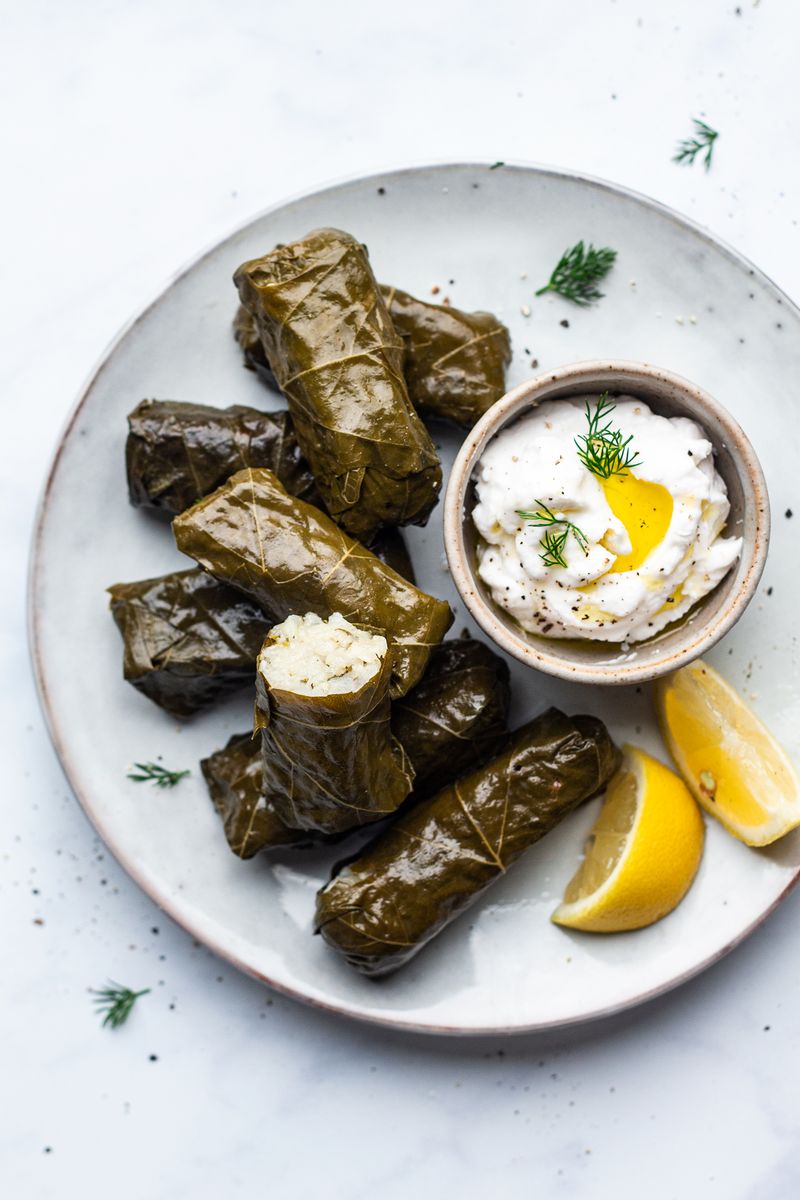
Tightness matters more than people realize when it comes to dolmades. Each grape leaf should be rolled snugly around its filling of herbed rice — and sometimes minced meat — so it holds its shape whether served warm, chilled, or at room temperature.
Loose rolls that fall apart during cooking or serving are a clear sign of rushed preparation. The grape leaf itself should be tender but not mushy, with a faint, pleasant brininess that complements the lemon-brightened rice filling tucked neatly inside.
11. Spanakopita (Spinach Pie)
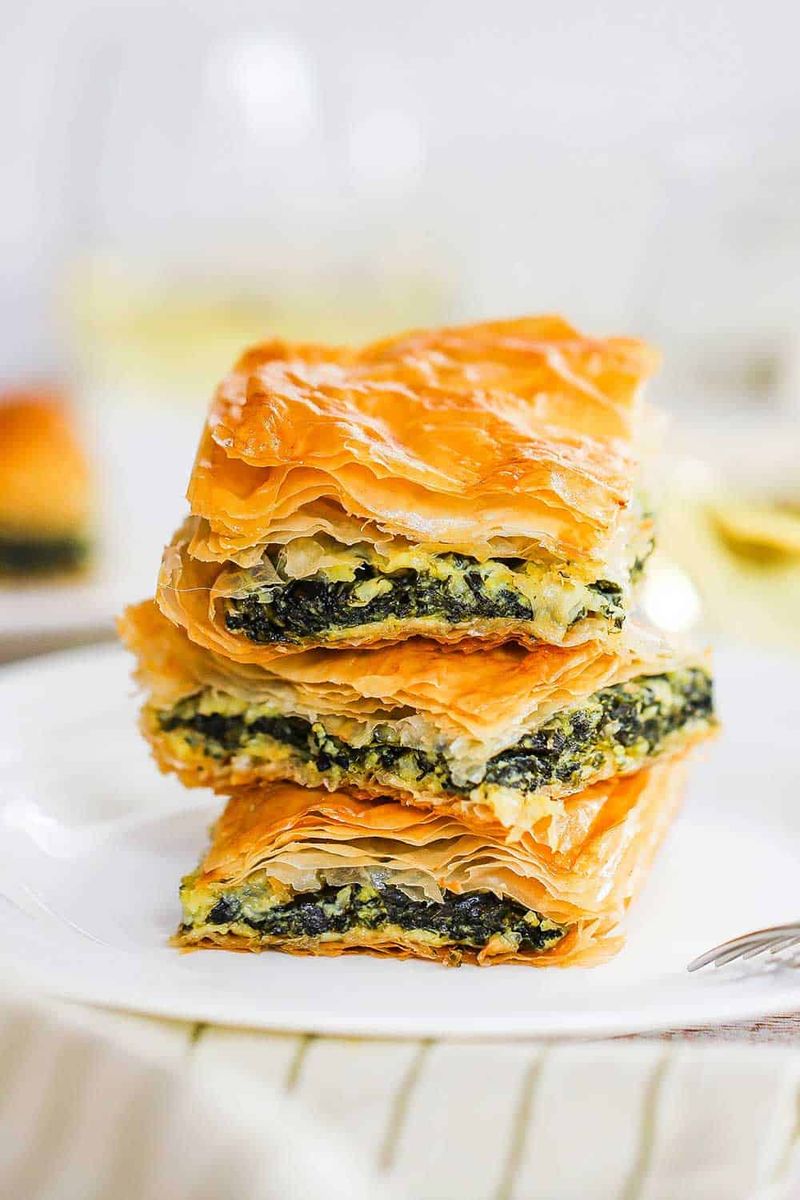
Walk past any Greek bakery and the smell of spanakopita baking is enough to stop you in your tracks. The phyllo must shatter when you bite into it — any sogginess signals that either the spinach wasn’t properly drained or the butter was applied too sparingly between layers.
Inside, the filling should be savory, herbaceous, and balanced, with earthy spinach and salty feta working in harmony. Too much feta overwhelms; too little and the whole thing tastes flat.
The right ratio makes all the difference.
12. Saganaki (Fried Cheese)
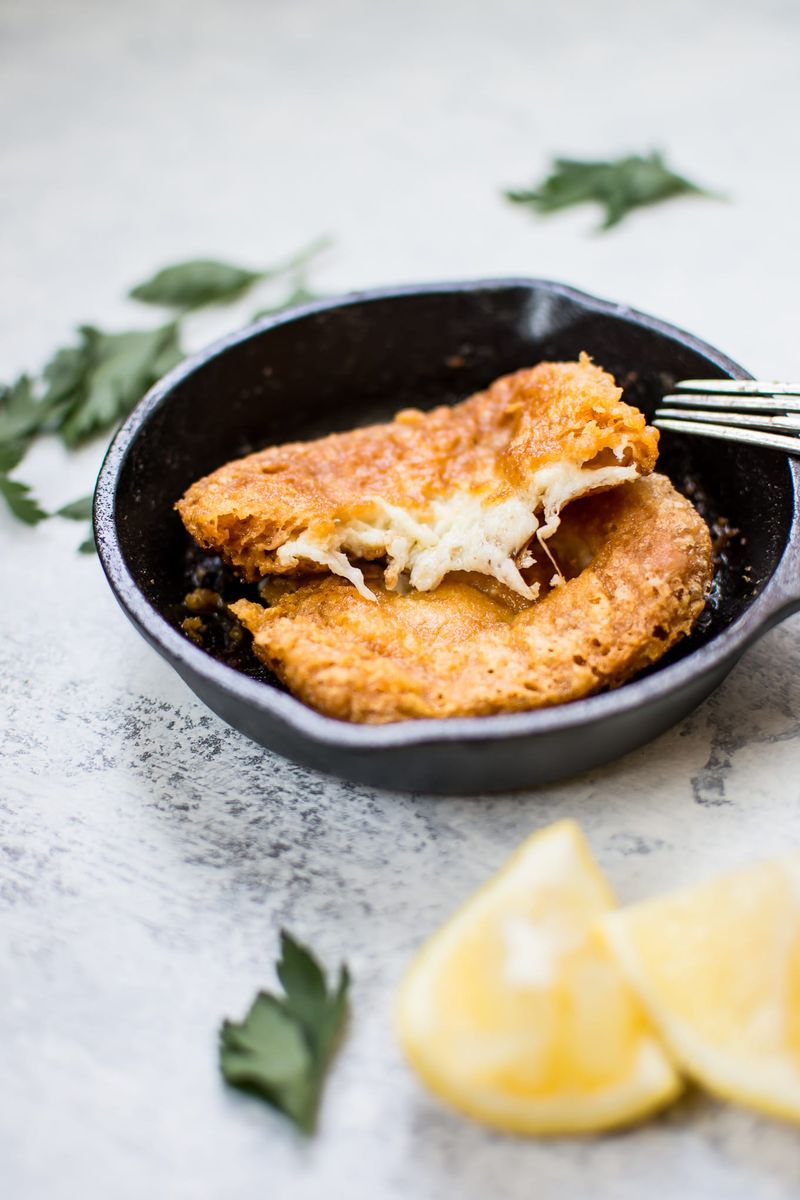
Saganaki is pure, joyful drama on a plate. Traditionally flambéed tableside with a shout of “Opa!”, this dish is all about that moment when golden, bubbling cheese meets a squeeze of fresh lemon juice and sizzles dramatically.
The cheese — usually kefalograviera or graviera — should be golden and slightly crispy on the outside while soft and gooey just beneath the surface. If it arrives cold, rubbery, or without that signature caramelized crust, the pan simply wasn’t hot enough when it went in.
13. Fava (Yellow Split Pea Puree)
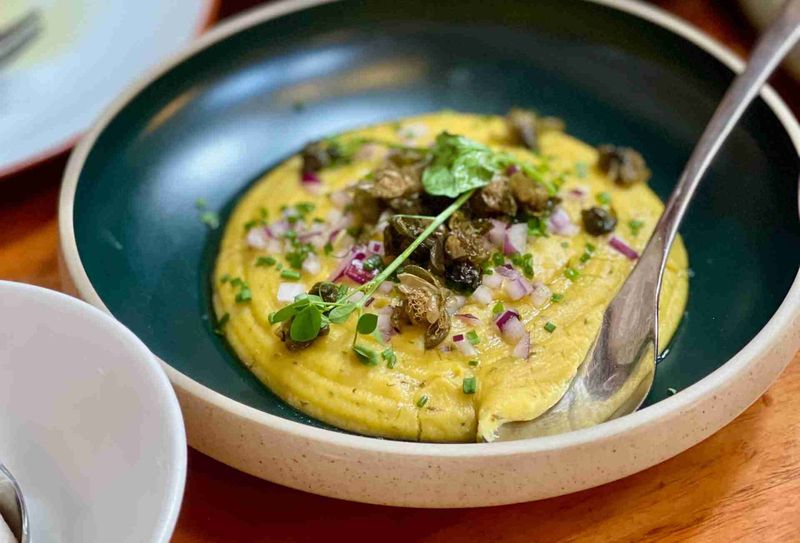
Santorini’s most famous export after sunsets might just be fava. Made from yellow split peas slow-cooked until completely broken down, this silky puree has an earthy, subtly sweet flavor that surprises people expecting something bland.
A properly made fava is velvety smooth — no lumps, no grainy bits. It’s finished with a generous pour of good olive oil, topped with capers and raw red onion for brightness and bite.
Thin or watery fava means it wasn’t cooked down long enough.
14. Kolokithokeftedes (Zucchini Fritters)
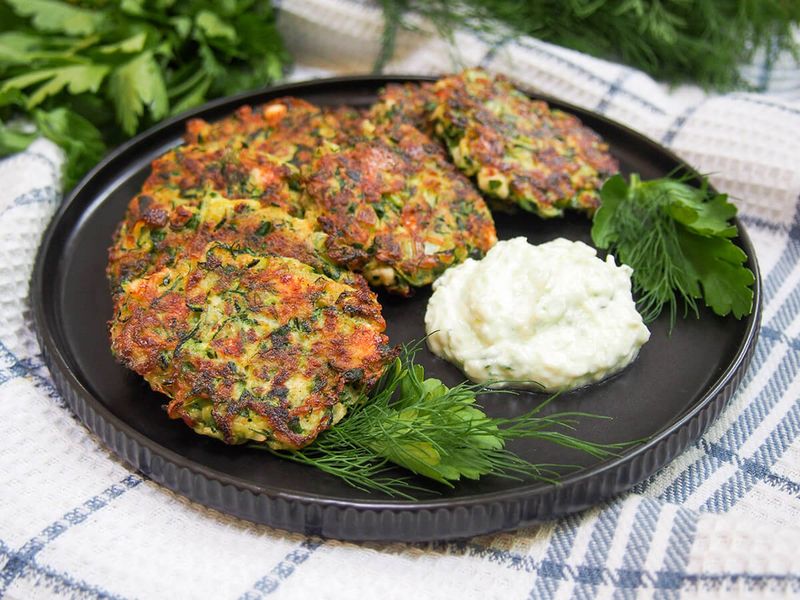
Kolokithokeftedes prove that zucchini can absolutely be the star of the show. These savory fritters combine grated zucchini with herbs, sometimes rice, and crumbled feta, then pan-fry until the outside turns irresistibly golden and crispy.
The secret is squeezing every last drop of moisture out of the grated zucchini before mixing — skip that step and you end up with soggy, falling-apart fritters instead of crispy ones. Served alongside cool tzatziki, a perfectly made batch is light, herby, and completely addictive.
15. Gemista (Stuffed Vegetables)
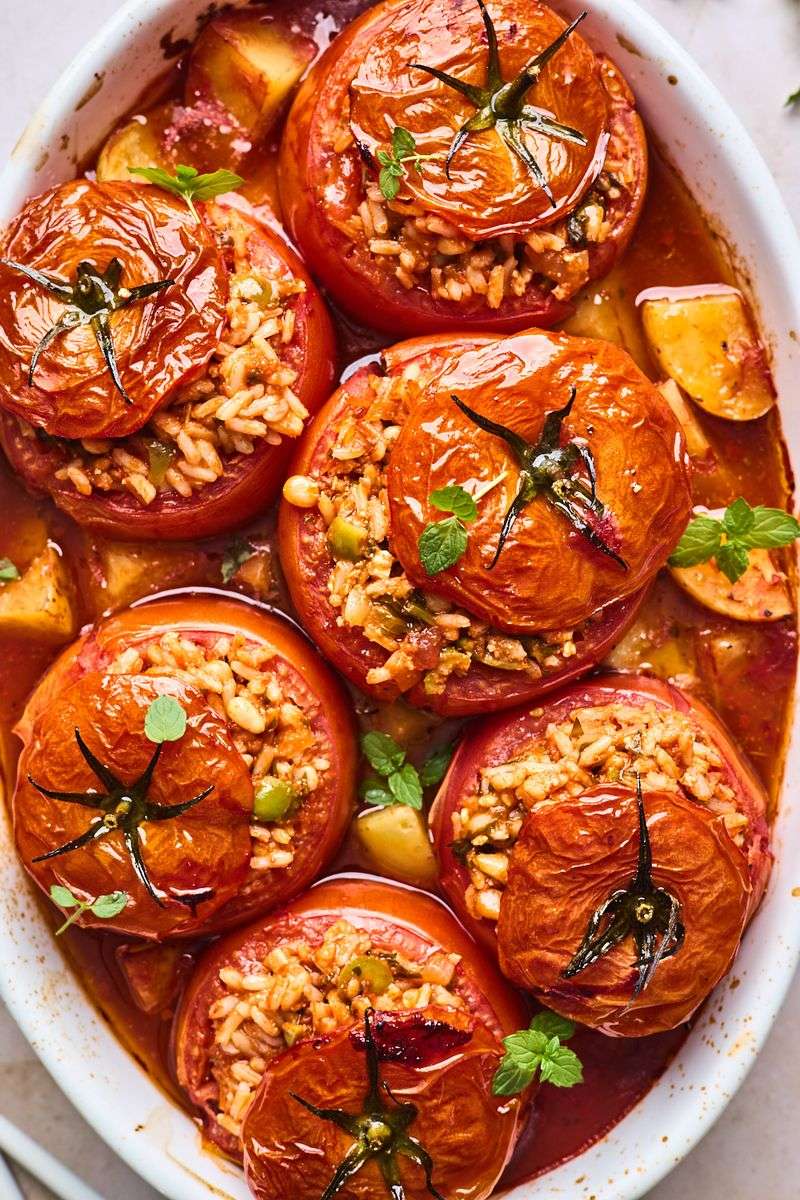
Gemista is summer in a baking dish. Ripe tomatoes, bell peppers, and sometimes zucchini or potatoes are hollowed out, packed with a fragrant rice and herb mixture, then slow-baked until everything becomes beautifully tender and slightly caramelized.
The rice filling absorbs all the vegetable juices as it bakes, creating an incredibly flavorful, almost jammy result. A well-made gemista should never have undercooked rice inside — that’s the most common mistake.
The vegetables themselves should be soft and collapsing gently, not stiff or underroasted.
16. Pastitsio
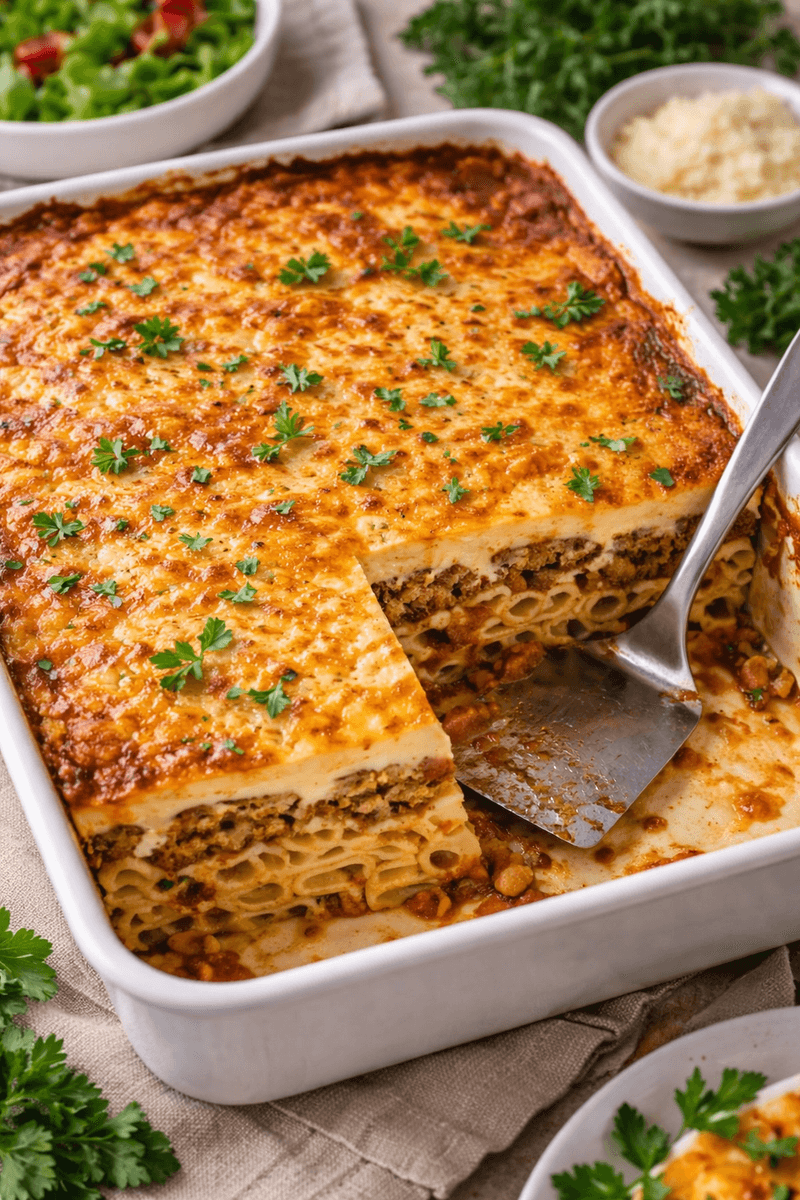
Often called Greek lasagna, pastitsio deserves its own spotlight entirely. The tubular pasta forms a sturdy base layer, followed by a rich, warmly spiced meat sauce similar to moussaka’s, and finished with that same glorious thick béchamel on top — baked until golden and set.
When sliced, a properly made pastitsio holds its shape cleanly without collapsing into a messy pile. Runny béchamel or undercooked pasta are the two biggest red flags.
Each layer should be distinct, flavorful, and perfectly balanced with the others.
17. Baklava
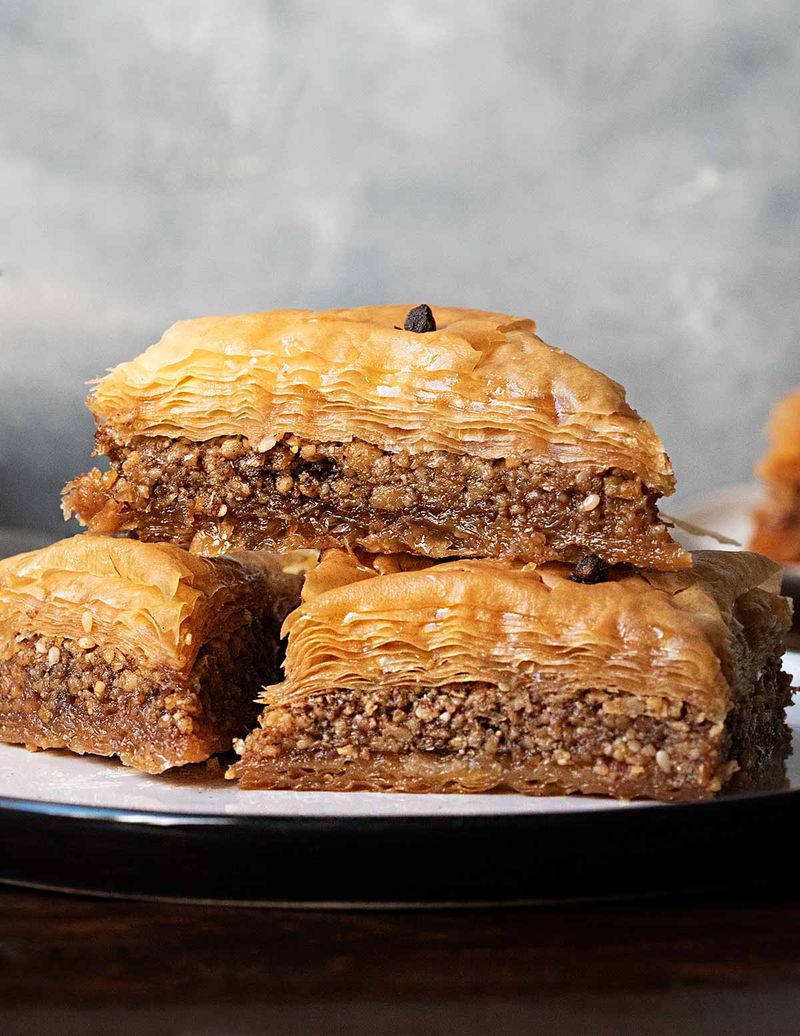
Baklava is one of those desserts where the details separate the extraordinary from the merely good. Authentic Greek baklava stacks dozens of paper-thin filo layers, each brushed with butter, around a generous filling of chopped walnuts or pistachios seasoned with cinnamon and cloves.
After baking, warm honey-sugar syrup is poured over the hot pastry, soaking deep into every layer without making it soggy. The result should be crunchy, sticky, and richly nutty.
Baklava that’s too dry means the syrup was skipped or rushed.