19 ‘Gourmet’ Foods Often Criticized As Marketing Hype
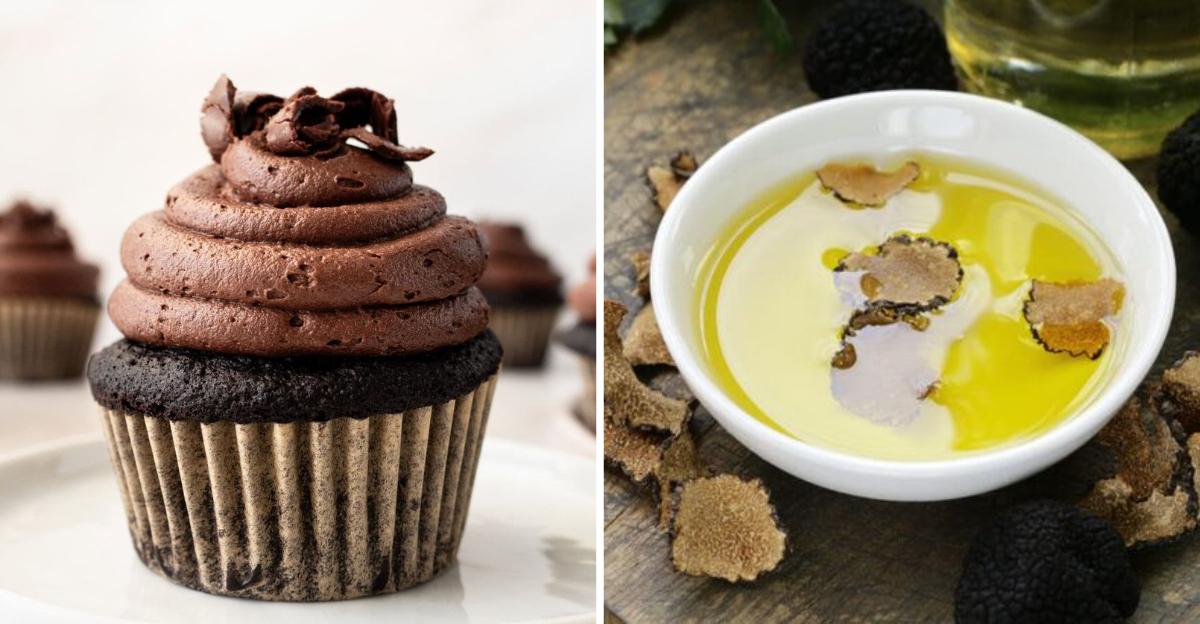
Gourmet can be magic when the craft and ingredients truly shine. But sometimes, that fancy label is doing more work than the food itself, nudging you to pay extra for a story.
You deserve to know which “upgrades” actually deliver and which ones rely on buzzwords and glitter. Here are the usual suspects that critics side eye, plus how to spot real quality before you order.
1. Truffle oil
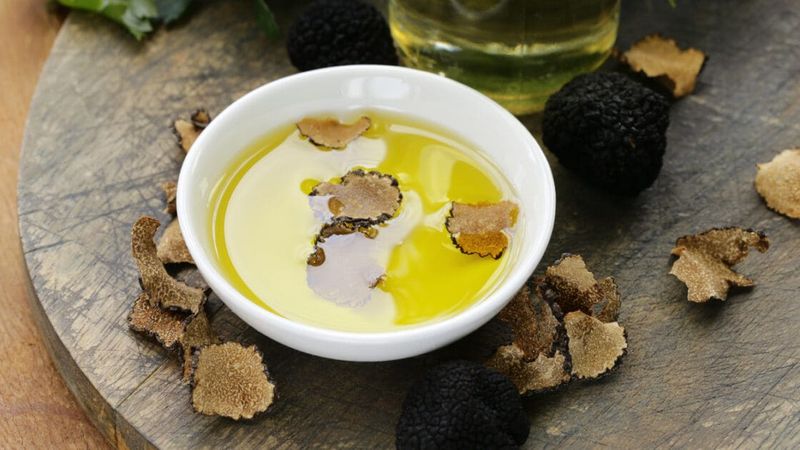
Truffle oil sounds luxurious, but many bottles are simply olive oil with lab made aroma chemicals. The scent hits hard, then flattens, leaving a one note mushroom perfume over everything.
You taste “truffle” even when it clashes.
Real truffles are earthy, complex, and fleeting, which is why chefs grate them fresh at the table. If a menu leans on truffle oil, ask whether real truffles are involved.
You might enjoy it, but know you are mostly paying for the idea.
2. “Truffle fries”
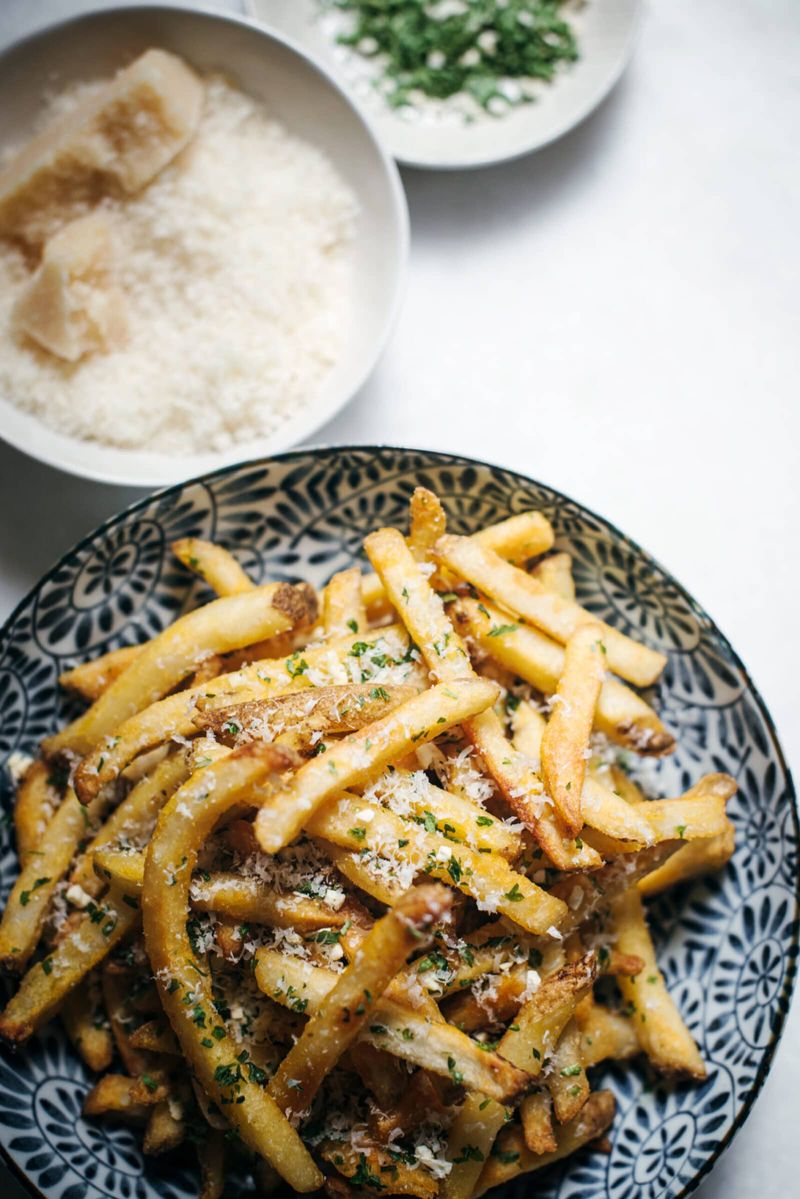
Truffle fries are a crowd pleaser, but the upgrade often means oil plus parmesan and a fancy price. They smell potent because the aromatics are engineered to be loud.
The first bite dazzles, then everything tastes the same.
If you want real truffle flavor, look for shaved truffle or clarified butter infused with actual truffle scraps. Otherwise, enjoy them as well seasoned fries with perfume.
You are paying more for the vibe than the ingredient list, and that is fine when you know it.
3. Gold leaf desserts

Gold leaf brings drama, not flavor. It is visually arresting and 100 percent edible, but it tastes like nothing.
The wow factor sits mostly in the photo and the bill.
When a dessert needs gold to feel special, ask what is happening beneath the sparkle. Is the chocolate single origin, the mousse perfectly aerated, the pastry laminated with skill.
If it is great, gold is garnish. If not, gold distracts.
You are paying for spectacle more than craftsmanship, which might be exactly the point for a celebration shot.
4. “Aged” burgers with vague claims

“Aged” can mean dry aged, wet aged, or just sat around. Dry aging concentrates flavor and tenderizes, but requires time, skill, and controlled conditions.
Without details, the word is marketing mist.
Ask how long and how it was aged. Thirty days dry aged beef tastes nutty and intense, while wet aging often tastes metallic and straightforward.
A true dry aged grind costs more for real reasons. If the menu stays fuzzy, assume the flavor will too.
You deserve clarity before paying a premium for a burger that might taste ordinary.
5. “Kobe” beef on menus
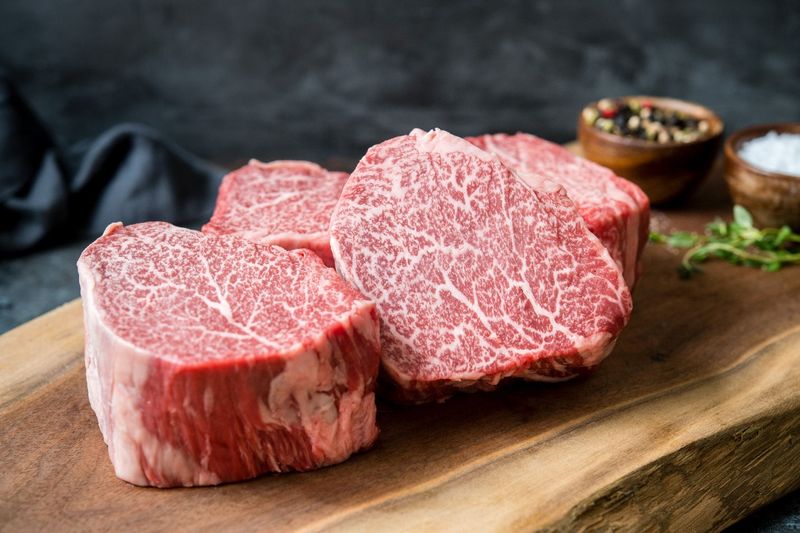
Real Kobe beef is a protected regional product with strict lineage, grading, and tracking. In many places, “Kobe” on a burger is a convenient fantasy.
You are usually getting a generic wagyu style blend or simply premium beef with a famous name.
Ask for proof of origin or a certificate, and expect very high prices for the genuine article. If a casual spot sells cheap “Kobe” sliders, it is marketing, not a miracle.
Delicious is possible, but accuracy matters. Otherwise that fancy word is doing all the lifting while the meat tastes like any good burger.
6. Wagyu everything
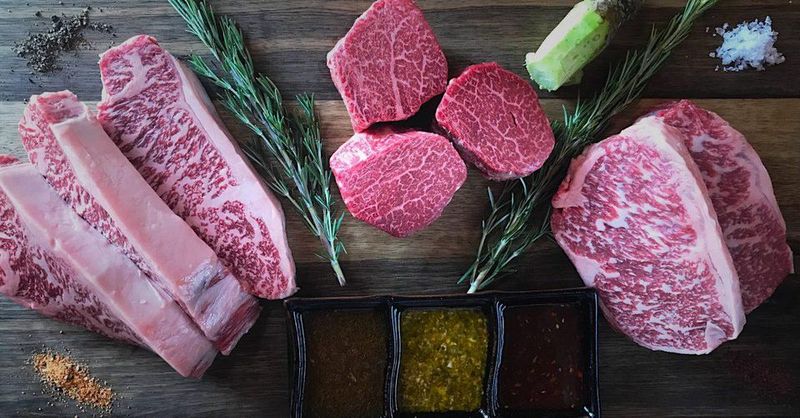
Wagyu ranges from sublime A5 steaks to modest crossbred ground mixes. On menus, “wagyu” can mean 100 percent Japanese beef, American wagyu crosses, or a tiny percentage blended with regular beef.
Without grades and origin, the term is fog.
Great wagyu is buttery and marbled, best enjoyed in small portions. If it is on everything, ask about breed, grade, and percentage.
You might still love the burger. Just do not pay steakhouse prices for a vague blend.
The word alone does not equal melt in your mouth magic.
7. “Artisan” bread in plastic clamshell packaging
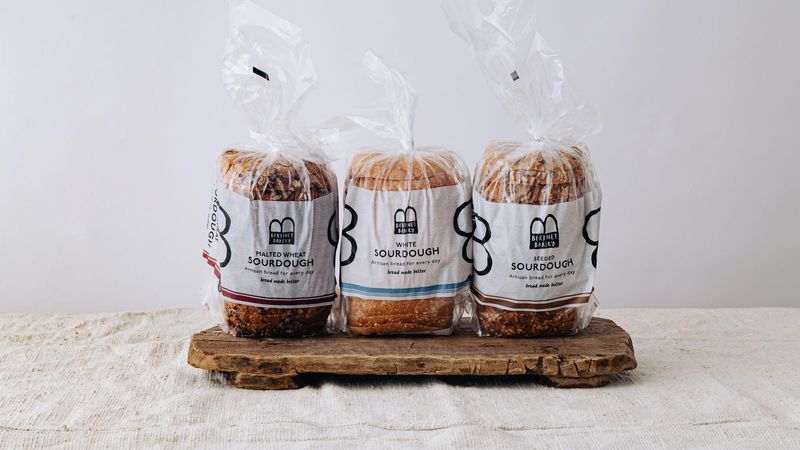
Artisan should mean time, technique, and touch. Long fermentation, proper hydration, and skilled shaping create flavor and crust.
A plastic clamshell can trap steam and soften everything into generic chewiness.
Read labels for ingredients, prefer shorter lists, and look for baked on dates. If you see dough conditioners, sugar heavy formulas, or vague bakery names, it is likely branding over craft.
You can still make great sandwiches, but do not confuse rustic fonts with artisanry. Real artisan bread crackles, smells nutty, and leaves crumbs.
That cannot be faked by packaging alone.
8. “Craft” soda that tastes like regular soda
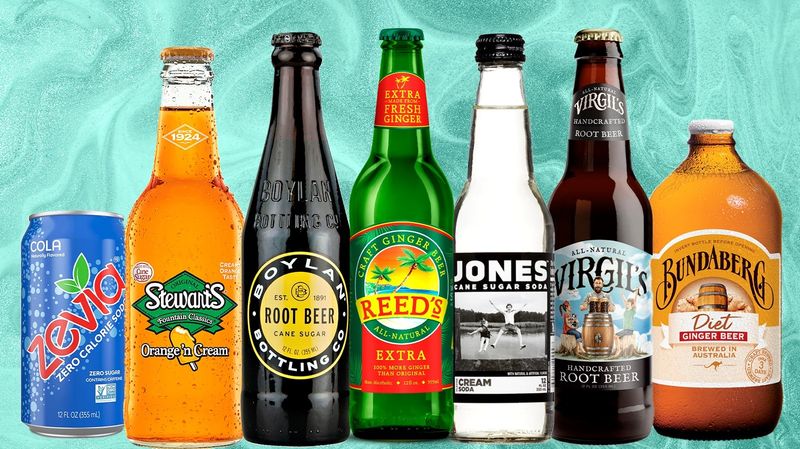
Craft soda often leans on nostalgia and glass bottles. Sometimes it means cane sugar, small producers, and fun flavors.
Other times it is the same sweetness with fancier branding and a higher price.
Check the sugar grams and ingredient list. If it mirrors mainstream soda, you are paying for vibes.
Great craft sodas balance acidity, real flavor extracts, and moderate sweetness. If it tastes flatly sweet, call it what it is.
Enjoy the bottle, but know the difference between craft and costume.
9. Cupcakes labeled “gourmet”

Big swirls of frosting can hide a dry crumb. “Gourmet” cupcakes sometimes deliver towering buttercream and little balance. You want moist cake, clean flavors, and icing that complements rather than overwhelms.
Ask about the base: butter vs oil, cocoa quality, real vanilla, and fresh fruit puree. Taste testers know that texture and salt matter more than sparkle.
If it is mostly decorations and sugar, you are buying a photo prop. When the crumb is tender and the frosting restrained, that is real upgrade.
Otherwise, it is hype in a wrapper.
10. “Gourmet” popcorn with minimal upgrades
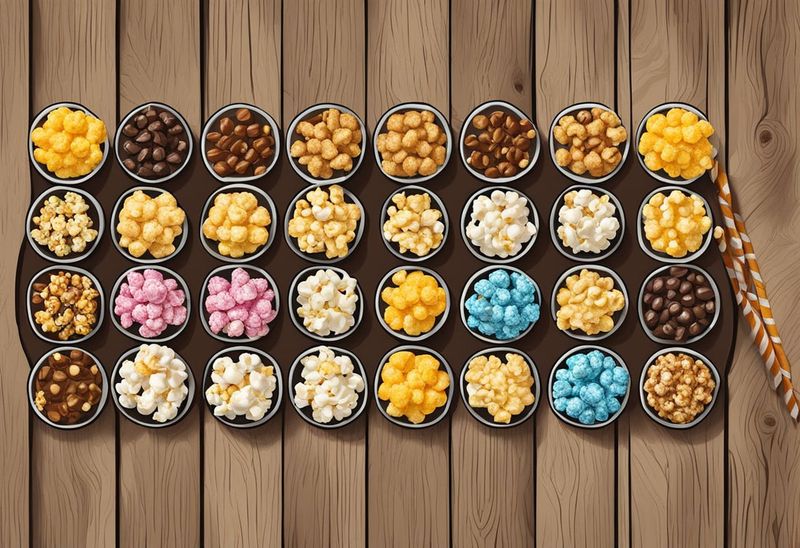
Popcorn is cheap and delightful, which makes it perfect for markups. Many “gourmet” versions are regular kernels plus flavored sugar dust or powdered cheese.
The difference between incredible and average is freshness, real butter, and balanced seasoning.
Look for air popped or coconut oil popped, then properly coated with real caramel or cheese. If it tastes like sugar powder or artificial cheese, you are paying for a label.
Fun snack, sure. Gourmet, not really.
Demand crisp texture, clean flavors, and ingredients you recognize.
11. “Small batch” anything with zero detail
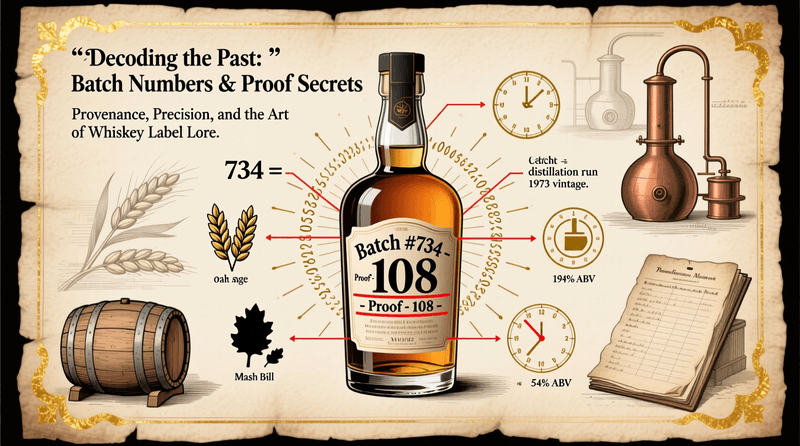
Small batch means little without context. How small is small.
Who made it, where, and how often. Without that story, it is just a cozy phrase stitched on a label.
Legit producers share batch numbers, dates, and processes. You might even find seasonal variations and honest imperfections, which is charming.
If every bottle tastes identical and details are missing, assume scaled production wrapped in folksy language. Pay for flavor and transparency, not just the phrase.
Ask questions or choose brands that volunteer answers before you spend extra.
12. “Handcrafted” fast casual menu items

Handcrafted often means “assembled by hand,” which describes nearly every sandwich ever made. It sounds nice, but it does not guarantee better sourcing or technique.
You are paying for a feeling more than a measurable improvement.
Look for signs of craft that matter: bread baked in house, sauces made from scratch, seasonal produce, and consistent execution. If the chain ships components and staff stacks them, that is fine.
Just do not equate “handcrafted” with artisan quality. Let flavor, texture, and transparency guide you instead of buzzwords.
13. “Farm to table” used as a blanket label
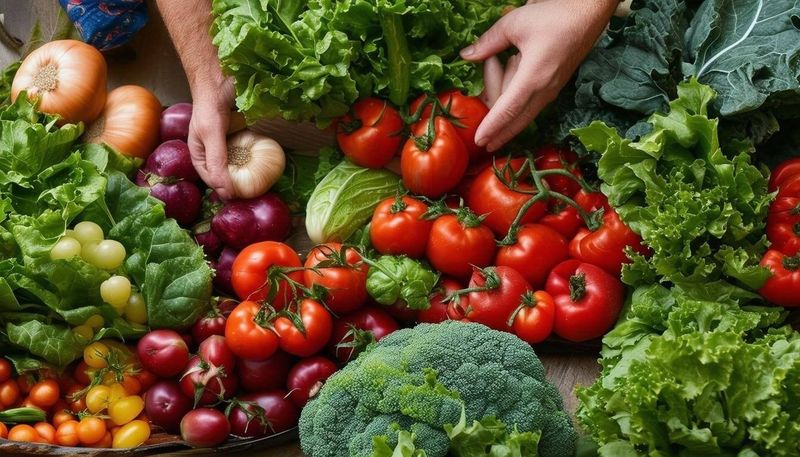
Farm to table can be wonderful when a kitchen changes menus with the seasons and names its growers. Sometimes it is a vibe layered over distributor deliveries.
The phrase should come with receipts, literally.
Ask what is local today and which farms supplied it. If staff cannot answer, the label is probably decorative.
True sourcing shows up in flavor, variety, and small shifts week to week. Support the places doing the work, and treat the rest as marketing.
You deserve honesty alongside that heirloom tomato salad.
14. “Gourmet” mac and cheese that’s just heavier
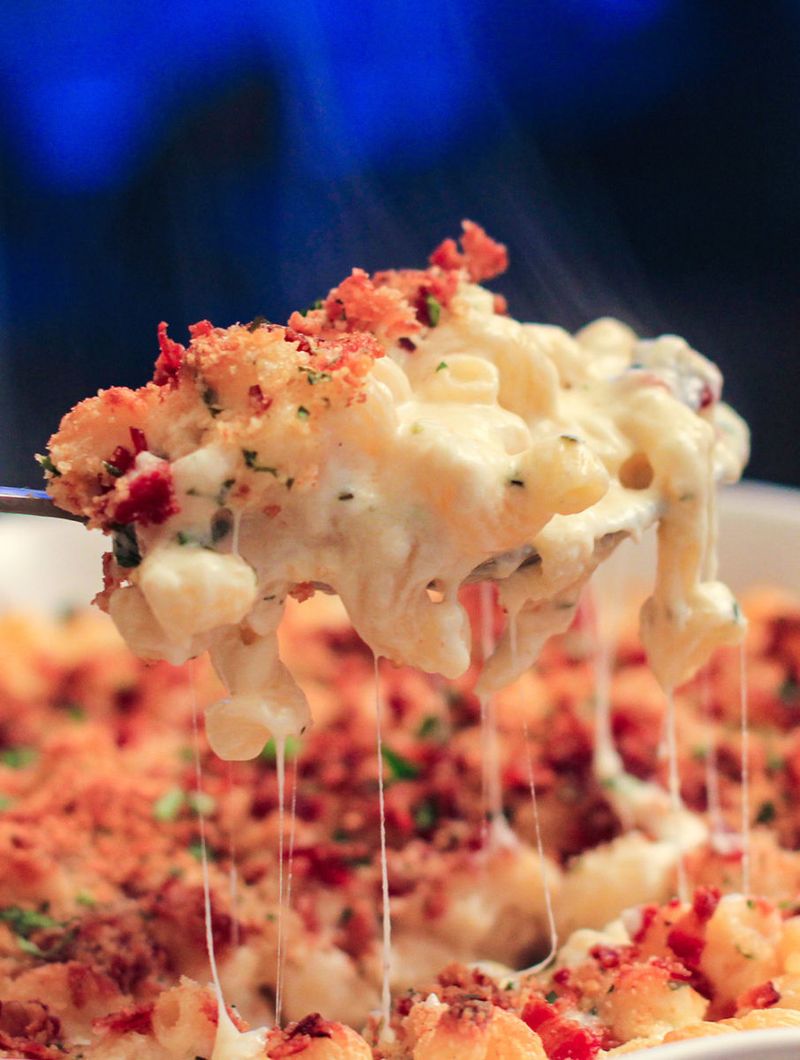
More cheese and bacon do not automatically equal better. Great mac balances sauce gloss, pasta texture, and sharpness.
Overloaded versions turn greasy and salty, masking nuance with richness.
Look for a proper mornay base, al dente pasta, and a mix of cheeses that bring bite, melt, and aroma. Add ons should clarify, not drown.
If your palate tires halfway through, the upgrade missed. You are paying for heft, not harmony.
A restrained, well seasoned bowl often beats a maximalist casserole every time.
15. “Infused” water sold at premium prices

Infused water is refreshing and easy to make at home. Slice fruit, herbs, or cucumber, add cold water, and wait.
Bottled versions often cost many times more than their ingredients, selling calm in a clear bottle.
If you love the convenience, go for it. Just know you are buying packaging and lifestyle marketing.
For daily sipping, a pitcher and reusable bottle save money and taste fresher. The luxury is mostly the label and the setting, not the liquid itself.
16. Gourmet grilled cheese
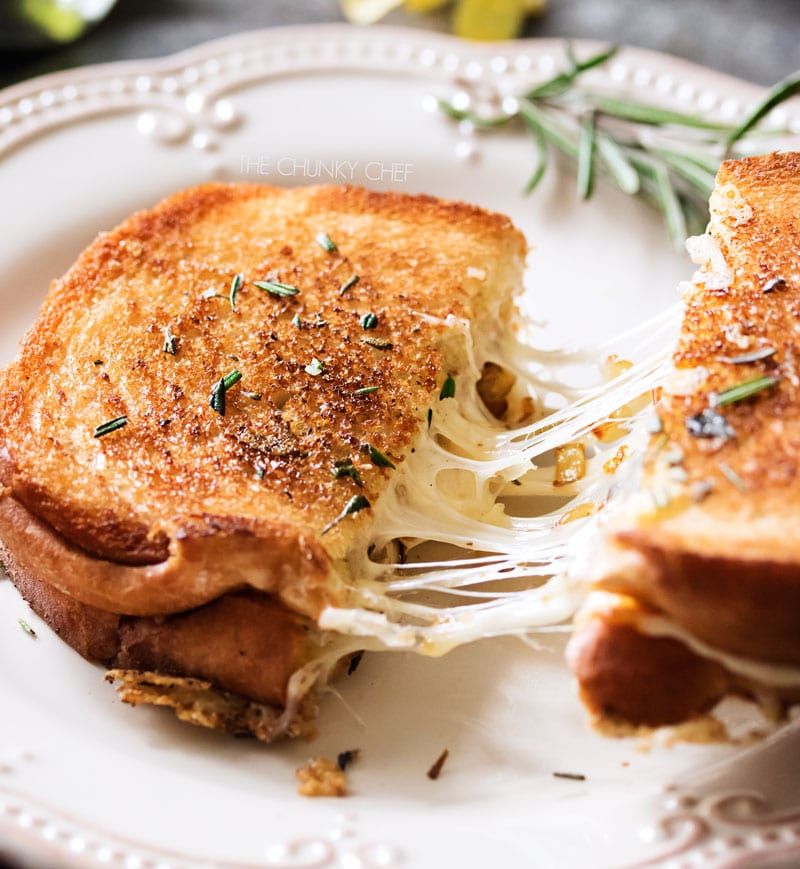
Grilled cheese shines when bread, fat, and cheese are thoughtfully chosen. Some “gourmet” versions pile on extras that muddy flavor or charge more for basic cheddar on fancy bread.
Technique matters more than adjectives.
Choose excellent bread, butter or mayo for even browning, and cheeses that melt and taste distinct. Add ons should earn their place.
If it reads like a grocery list, expect chaos. You can make a better version at home with two stellar ingredients and patience.
Pay for execution, not drama.
17. “Chef’s special aioli” that’s basically flavored mayo
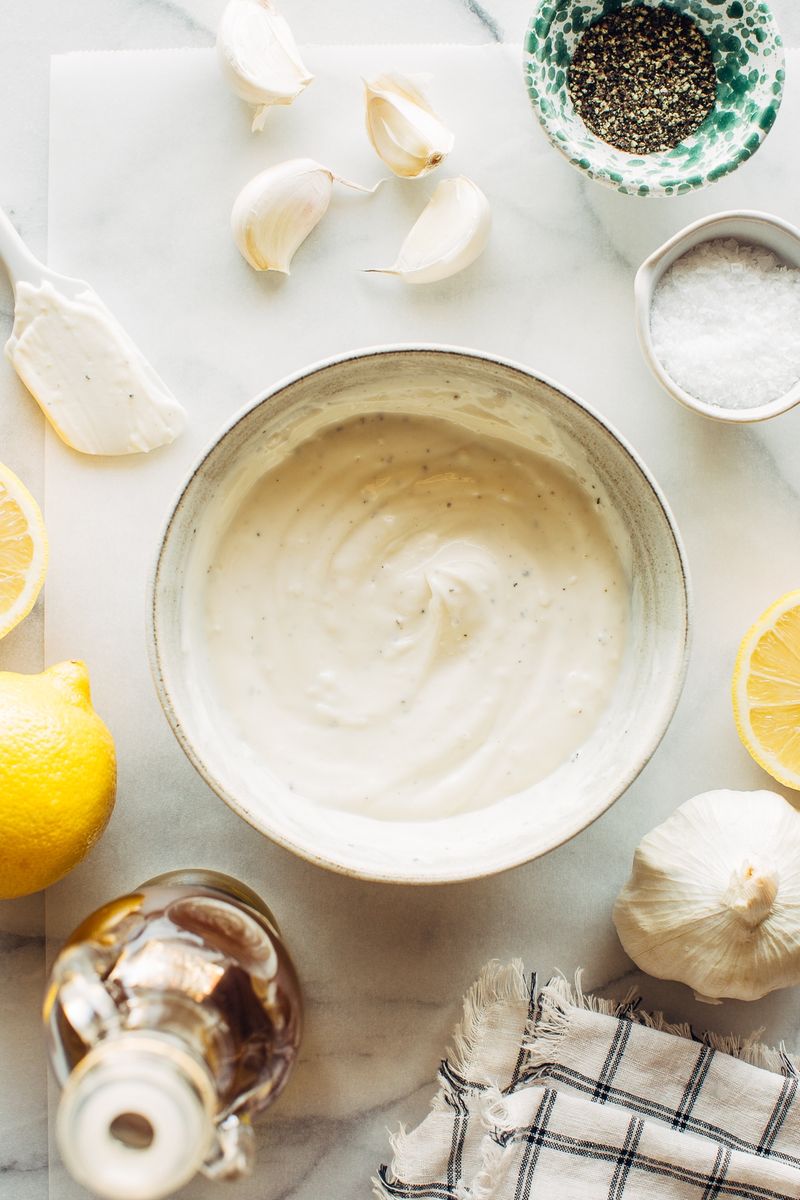
Aioli traditionally means an emulsion of garlic and olive oil. Many restaurants use the word for mayo based sauces with flavorings.
That can taste great, but it is not the same craft.
Ask whether it is house emulsified or a mayo base. If it is jarred mayo plus seasoning, enjoy it as sauce without the mystique.
Real aioli feels lighter, garlicky, and slightly unstable. Both have a place, but pricing should match the effort.
Do not let vocabulary upsell a sandwich smear.
18. “Premium” salt on everything
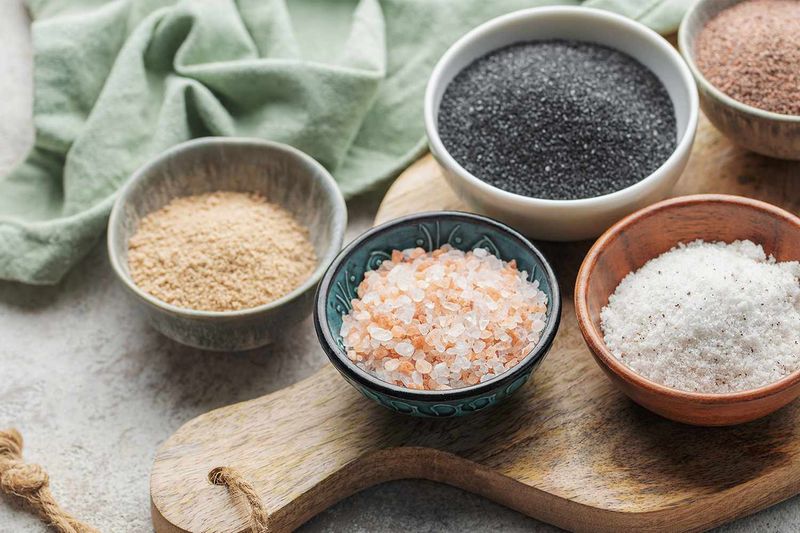
Great finishing salts add crunch and a clean salinity that lifts simple food. But sprinkling fancy names across a menu can feel like a shortcut to premium pricing.
Salt is seasoning, not a storyline.
Use the right salt for the job: flakes for finishing, kosher for cooking, specialty salts sparingly. If a dish is ordinary beneath the crystals, the salt cannot save it.
You are better off paying for ingredients and skill than mineral branding. A perfect tomato plus a pinch beats pink rocks on mediocrity every time.
19. “Gourmet” chocolate covered anything
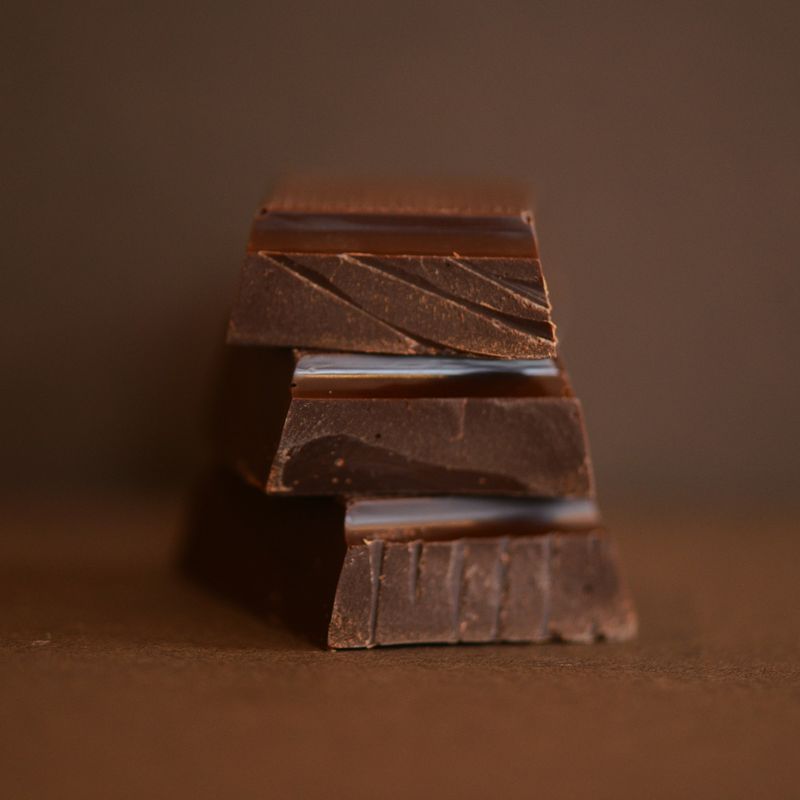
Chocolate covered treats can be dreamy when the chocolate is high quality and the coating is thin and snappy. Many gift boxes use compound coating or overly sweet chocolate to cut costs.
The result tastes waxy and one note.
Look for cocoa percentage, real cocoa butter, and a clean snap. Fresh fruit should be dipped same day, nuts freshly roasted, and pretzels crisp.
Pretty packaging can hide stale centers and thick shells. Pay for cacao quality, not bows.
Your taste buds will notice.