20 Foods That Have Different Names In The U.S. And U.K.
Ever order something abroad and feel a tiny jolt of surprise when it arrives? You are not alone.
The U.S. and U.K. often use completely different words for the same foods, and sometimes the same word points to a different thing entirely. Here are 20 everyday name switches that will save you confusion and help you order confidently.
1. French fries (U.S.) vs chips (U.K.)
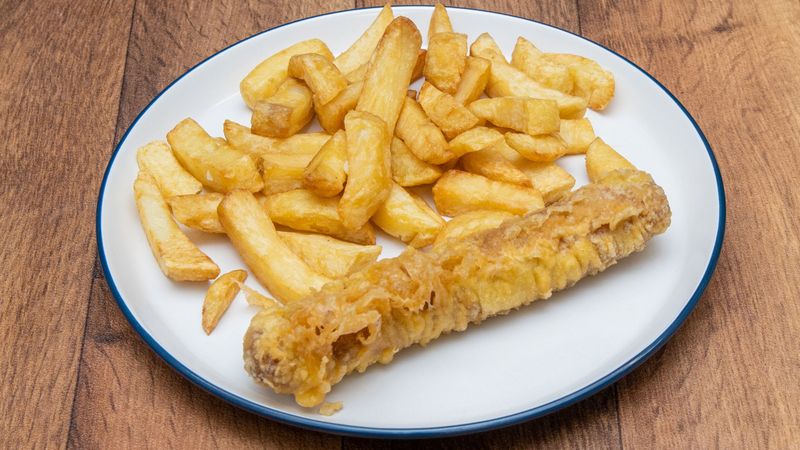
Order fries in the U.S., and you will get thin or thick batons, usually crispy with ketchup on the side. Ask for chips in the U.K., and you will receive similar fried potatoes, often chunkier and perfect with salt and vinegar.
Same comforting idea, slightly different vibe.
At a British chippy, chips arrive steaming hot beside fish. In the U.S., fries pile into burgers and baskets.
If you say chips in America, you will likely get a bag of crisps instead. So when hunger hits abroad, think context.
Your taste buds will thank you.
2. Chips (U.S.) vs crisps (U.K.)
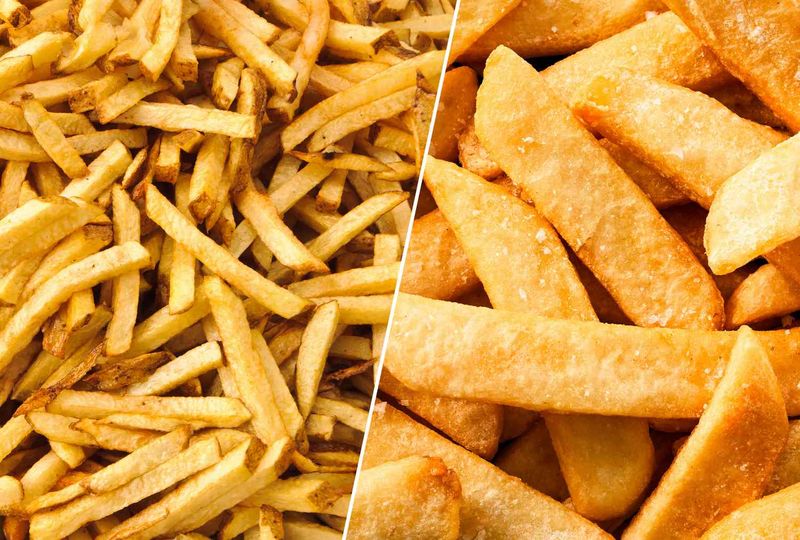
In the U.S., chips mean the thin, crunchy snack from a bag, perfect for dips and game days. In the U.K., those are crisps, and the word chips belongs to hot fried potato sticks.
It is a small linguistic pivot that changes your snack order quickly.
Ask for chips in London, and you might be served a full plate beside fish. Ask for crisps, and you will score the crunchy bag you expected.
When browsing supermarkets, read labels and scan flavors. From salt and vinegar to prawn cocktail, your snack results depend on wording.
3. Cookie (U.S.) vs biscuit (U.K.)
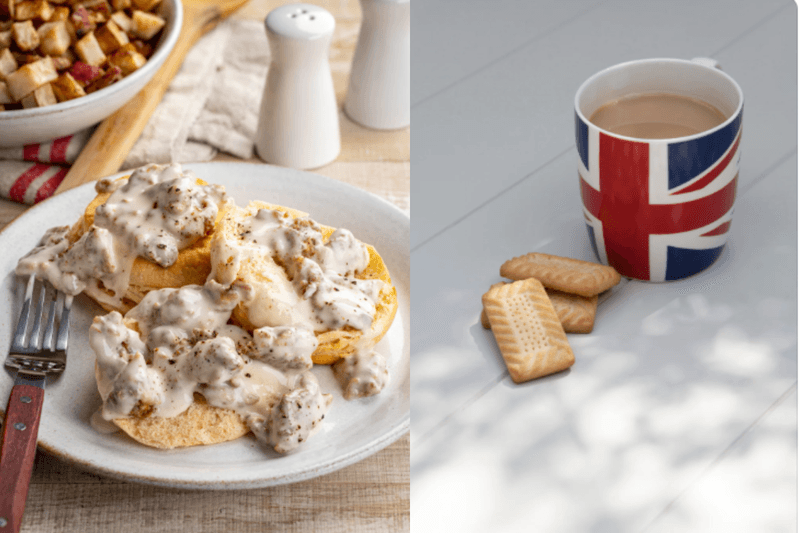
Order a cookie in the U.S., and you will picture soft centers and gooey chocolate chips. In the U.K., the nearest everyday term is biscuit, usually crisper and made for tea dunking.
Ask for a biscuit with chocolate chips, and you will likely get something closer to a crunchy cookie.
Brands and styles differ, but the idea is similar: a sweet, handheld treat. When you crave chewy, specify soft cookie in Britain.
When you want crisp, biscuit fits. In American bakeries, cookie covers everything.
Translation tip: dunking biscuits in tea is a cultural delight worth trying.
4. Biscuit (U.S.) vs scone (closest U.K. match)
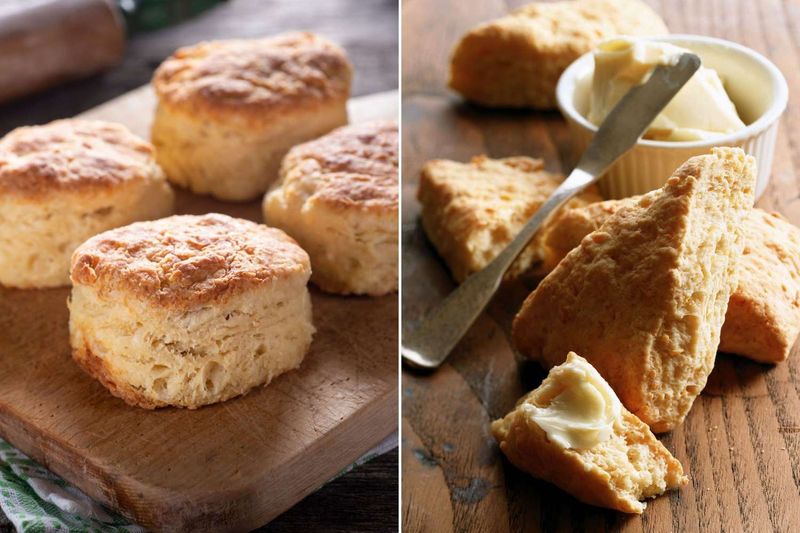
In the U.S., a biscuit is a tender, flaky, buttery bread often served with gravy or jam. In the U.K., the closest everyday parallel is a scone, though scones are usually sweeter and often paired with clotted cream.
They are cousins, not twins.
Ask for biscuits in Britain, and you will likely receive crunchy cookies instead. For that pillowy bread, try ordering a plain scone or savory scone.
Texture matters, so expect a slightly denser crumb. If you are craving biscuits and gravy abroad, seek American diners.
Otherwise, embrace cream tea tradition happily.
5. Eggplant (U.S.) vs aubergine (U.K.)
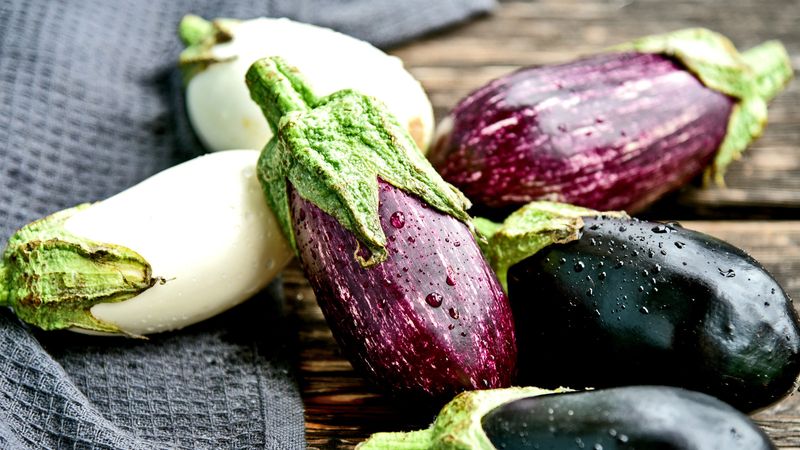
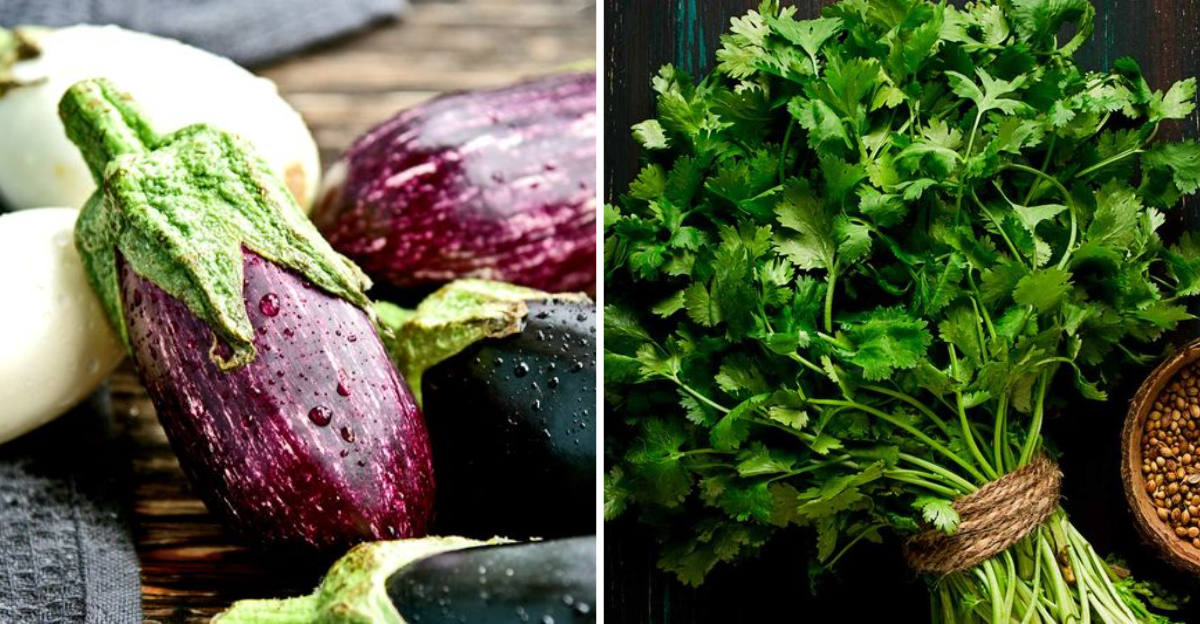
That glossy purple vegetable soaking up olive oil in your pan goes by eggplant in the U.S. and aubergine in the U.K. Same ingredient, different label, still perfect for parmigiana or roasted salads.
If you are shopping abroad, scan for aubergine near tomatoes and courgettes.
Menus might list aubergine parmigiana, baba ghanoush, or grilled aubergine stacks. Flavor stays mild and slightly creamy when cooked.
When you see the French-rooted word, do not hesitate. It is the familiar friend you sauté at home.
Translation complete, dinner secured. Pair with garlic, herbs, and a drizzle of tangy yogurt for bliss.
6. Zucchini (U.S.) vs courgette (U.K.)
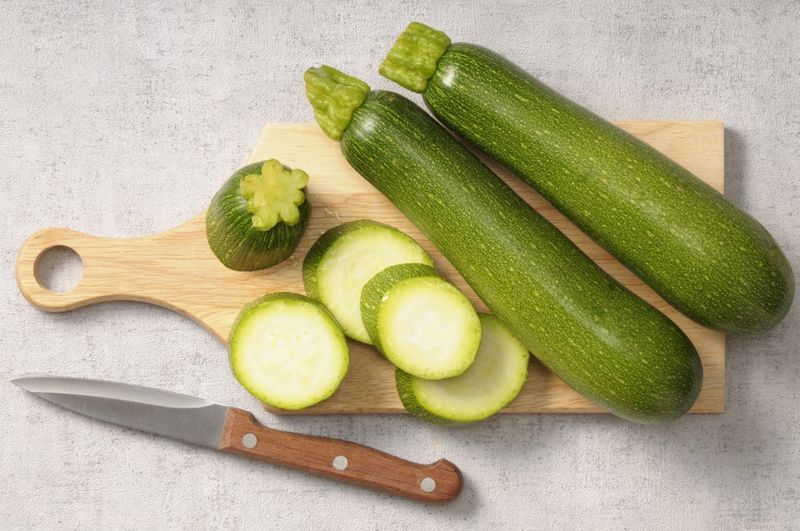
Whether you spiralize, grill, or roast it, zucchini in the U.S. becomes courgette in the U.K. Shop signs and recipes use courgette alongside aubergine, reflecting French influence on British culinary language.
The vegetable itself is the same tender summer squash.
On British menus you may see courgette ribbons, tempura courgette, or courgette fritters. If you are substituting in recipes, the swap is one-to-one.
The mild flavor loves lemon zest, mint, and olive oil. So if a British cookbook calls for courgette, grab zucchini and carry on.
Dinner remains simple, light, and reliably tasty.
7. Arugula (U.S.) vs rocket (U.K.)
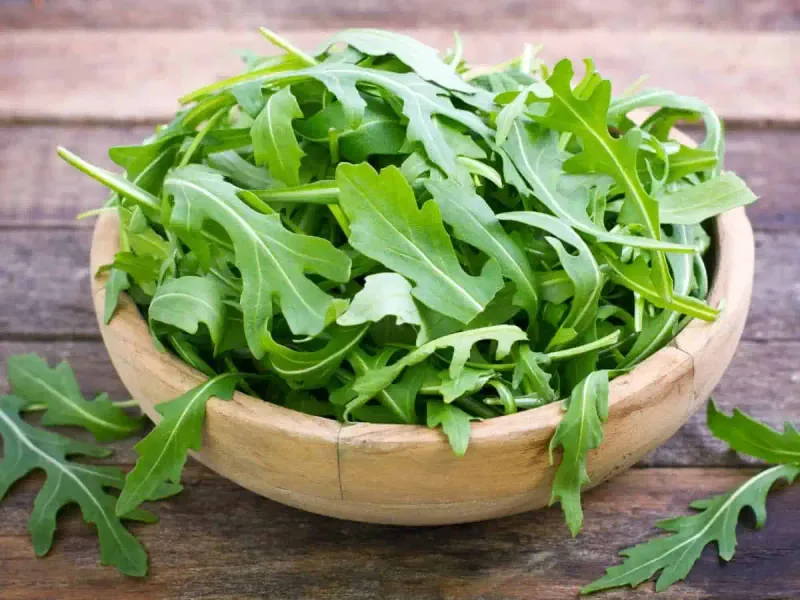
That peppery green sprinkled over pizza or tossed into salads is arugula in the U.S. and rocket in the U.K. The flavor is lively, slightly bitter, and brilliant with citrus.
You will spot rocket on British menus with parmesan, pear, or prosciutto.
Grocery bags may read wild rocket for stronger leaves. If a recipe calls for rocket, grab arugula without hesitation.
It brightens rich dishes and brings instant freshness. When in doubt, taste a leaf to confirm the peppery kick.
Suddenly, your salad sings. And yes, it pairs beautifully with olive oil and toasted nuts.
8. Cilantro (U.S.) vs coriander (U.K.)
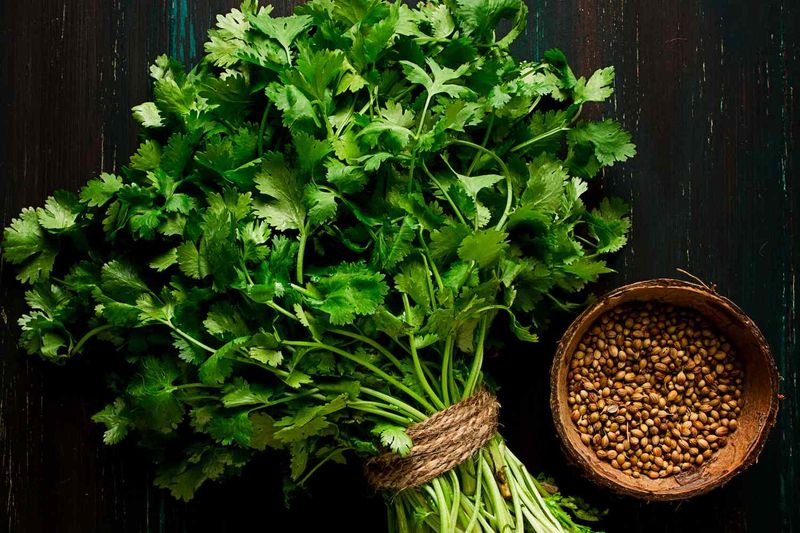
In the U.S., cilantro refers to the fresh leafy herb, while coriander means the seeds. In the U.K., coriander covers both the leaves and the seeds, though context clarifies.
If a British recipe says fresh coriander, it means the leaves you know as cilantro.
You will spot coriander garnish on curries, tacos, and salads. Seeds appear in pickles and spice blends.
If leaves taste soapy to you, that carries across borders. When shopping abroad, check whether the label says fresh or ground.
Either way, the plant is the same. Your recipes will not miss a beat.
9. Ground beef (U.S.) vs minced beef (U.K.)
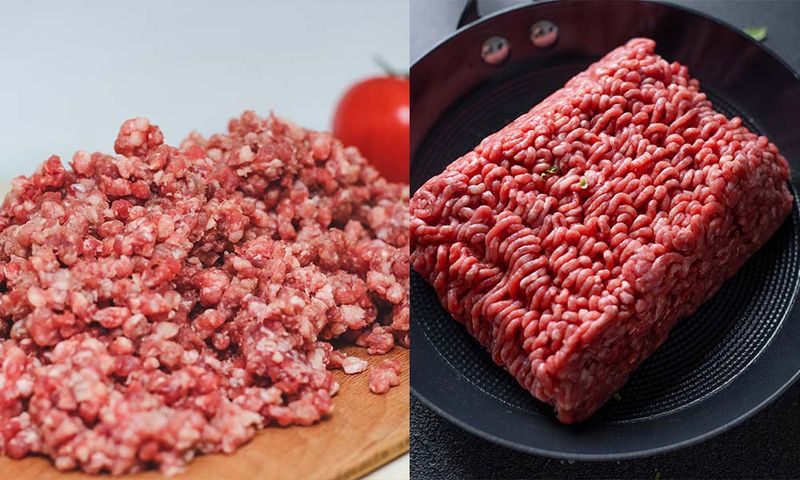
When a recipe calls for ground beef in the U.S., British instructions typically say minced beef. It is the same idea: beef chopped very small so it cooks quickly in sauces, burgers, and pies.
The fat percentages and labeling might differ, but usage is interchangeable.
Expect terms like mince on labels in U.K. supermarkets. For burgers, you might see beef mince formed into patties.
For Bolognese, both names deliver hearty results. If you are translating a cookbook, swap the words freely.
Brown, season, simmer, and you are set. Comfort food does not need a passport to satisfy.
10. Bacon (U.S.) vs bacon (U.K., different cut)
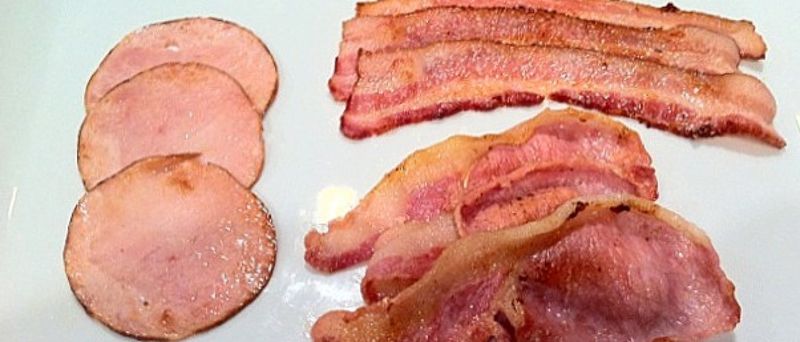
Same word, different slices. In the U.S., bacon usually means streaky bacon from pork belly, crisping into salty, fatty strips.
In the U.K., bacon often means back bacon, a meatier cut closer to pork loin with a bit of belly attached. The breakfast plate looks different.
Ask for crispy bacon in Britain, and you may still get a chewier, thicker piece. In cafes, bacon butties often feature back bacon.
For American-style streaky bacon, look for streaky on the package. Both are delicious in their own way.
Choose your texture destiny and enjoy.
11. Jell-O (U.S.) vs jelly (U.K.)
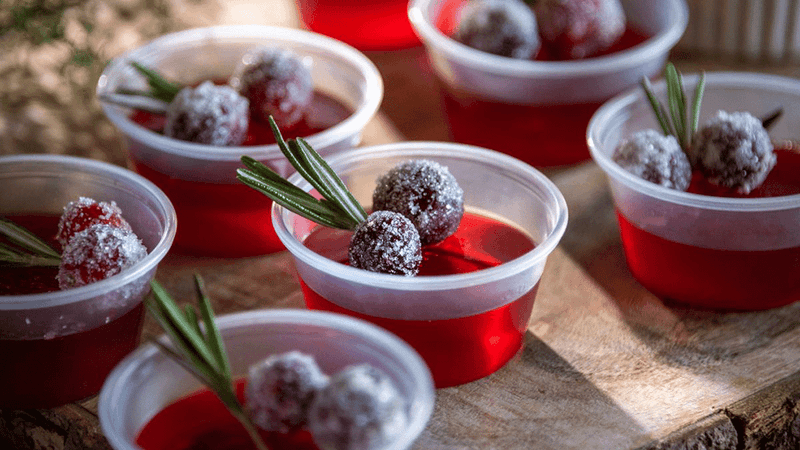
Order Jell-O in the U.S., and you get a brand-name gelatin dessert in vivid colors. In the U.K., that same wobbly treat is called jelly, usually sold as cubes or powders to dissolve in hot water.
The texture and sparkle are familiar across both sides.
Here is the twist: jelly in America is a spread for toast, not dessert. So when a British menu says jelly and ice cream, think gelatin plus vanilla scoops.
For sandwiches, you want jam. One word, two meanings.
Read the room and your cravings will be rewarded.
12. Jelly (U.S.) vs jam (U.K.)
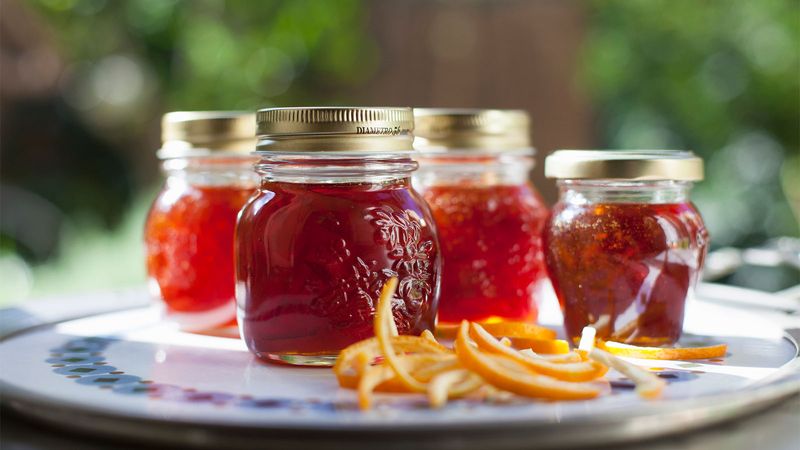
In the U.S., jelly is a clear fruit spread made from juice, while jam includes crushed fruit. In the U.K., jam is the catch-all everyday term, covering what Americans call both jam and jelly.
If you ask for jelly there, people might think of dessert.
At breakfast, say strawberry jam to land the familiar spread. For smoothness, choose seedless jam varieties.
On labels in Britain, you will rarely see jelly for toast. It appears mostly for special fruit jellies or the gelatin dessert.
Keep your toast terms straight, and your morning will go smoothly.
13. Jam (U.S.) vs jam (U.K.)
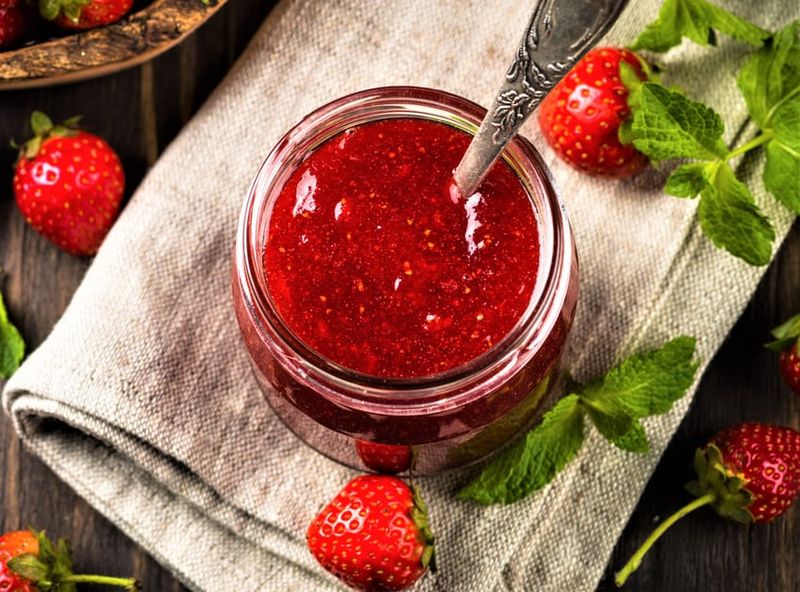
Curiously, jam means jam on both sides of the Atlantic, but usage differs. Americans distinguish between jam and jelly, while Brits mostly say jam for the fruit spread.
If you order jam in the U.K., you will receive the familiar fruity, spoonable preserve you expect.
On scones, strawberry jam is classic with clotted cream. On toast, it is an everyday staple.
If a recipe debates jam versus jelly, British instructions likely default to jam. The takeaway for you is simplicity.
Say jam, enjoy breakfast, and relax. Sometimes the language matches, and that is a relief.
14. Popsicle (U.S.) vs ice lolly (U.K.)

Hot day, frozen treat, same joy. In the U.S., Popsicle is a brand name often used generically for frozen ice pops.
In the U.K., you will see ice lollies, a wonderfully whimsical term that covers the same idea. Expect fruit flavors, creamy swirls, and nostalgic smiles.
At shops, order an ice lolly and you will be handed a stick-based frozen sweet. In American neighborhoods, the ice cream truck sings Popsicle weather.
Whether you chase citrus or berry, the refreshment is universal. Your only job is to choose a flavor and keep it from dripping.
15. Cotton candy (U.S.) vs candy floss (U.K.)

At fairs and carnivals, spun sugar lifts into a pastel cloud. In the U.S., that airy delight is cotton candy.
In the U.K., it is candy floss, a name that hints at its wispy threads. Either way, it melts instantly and paints fingertips with happiness.
Vendors whirl sugar around a cone until it grows like magic. If you ask for cotton candy in Britain, you will be understood, but candy floss is the local charm.
Share, snap a photo, then devour. The nostalgia tastes the same, no translation required.
16. Candy (U.S.) vs sweets (U.K.)
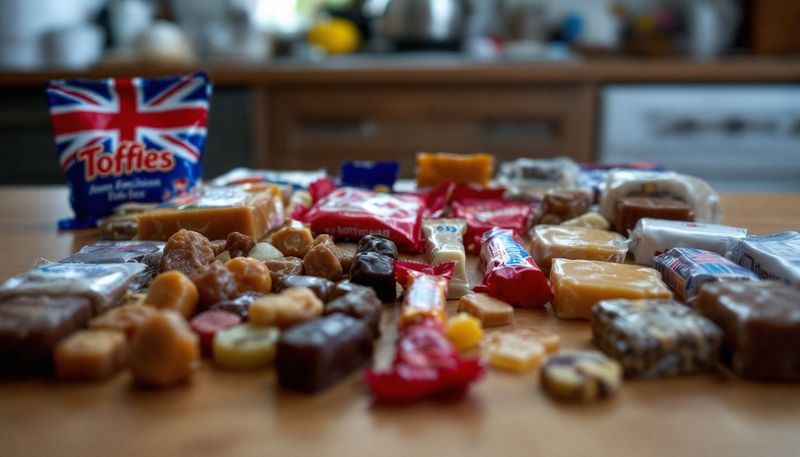
In the U.S., candy is the general word for sugary treats, from gummies to chocolate bars. In the U.K., the umbrella term is sweets, which covers the same delicious territory.
Ask for candy there, and you will likely be gently redirected to the sweets aisle.
For chocolate, you might also hear confectionery. For gummy bears, jelly babies join the party.
When exploring a British corner shop, say sweets and browse happily. The shelves will look familiar, just labeled differently.
Grab a bag for the road and enjoy the universal language of sugar.
17. Cookie sheet (U.S.) vs baking tray (U.K.)
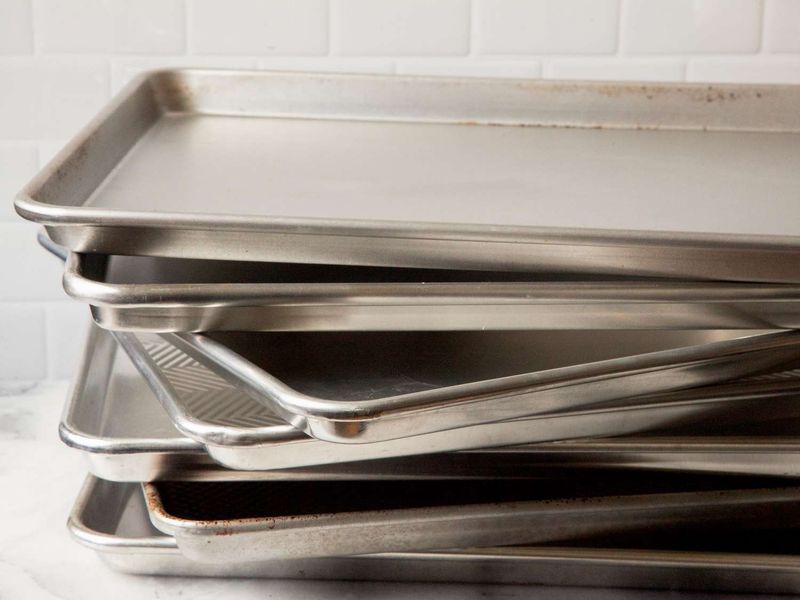
When you bake chocolate chip cookies in the U.S., you probably reach for a cookie sheet or baking sheet. In the U.K., the everyday name is baking tray, often with shallow rims.
The function is identical: a flat surface to crisp, roast, or bake your favorites.
Shopping abroad, ask for a baking tray to find the right aisle. If your recipe mentions a sheet pan, that translates smoothly too.
Line it with parchment, and you are golden. Whether roasting veggies or baking biscuits, the result depends more on temperature than terminology.
18. Broiler (U.S.) vs grill (U.K.)

American recipes often say broil, meaning cook with intense top-down heat, usually in the oven. In the U.K., that same method is called grilling, and the appliance setting may read grill.
The direction of heat is the key clue for you when translating instructions.
Slide food close to the element for fast browning. Cheese on toast under the grill is a national comfort.
If a British recipe says grill, think broil, not outdoor barbecue. Keep an eye on timing, because seconds matter here.
Crisp edges and bubbling tops await your attention.
19. Grill (U.S.) vs barbecue (U.K. usage often)
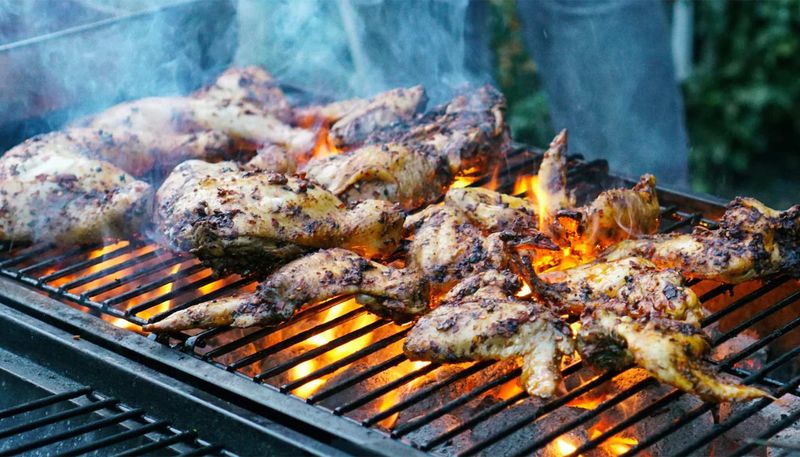
In the U.S., grilling means cooking outdoors over gas or charcoal, plain and simple. In the U.K., people often say barbecue for both the event and the cooking method, even when using a grill.
The social vibe is the same: smoke, friends, and plates piled high.
If a British invite says come to ours for a barbecue, expect grilled food outside. You might still hear grill, but barbecue is common.
Bring a side, mind the weather, and enjoy the sizzle. Linguistics aside, char-kissed vegetables and burgers taste universally excellent.
20. Takeout (U.S.) vs takeaway (U.K.)
Busy night, hungry stomach. In the U.S., you grab takeout.
In the U.K., you order a takeaway. Same concept: food prepared in a restaurant that you bring home or have delivered.
The word shifts, but the comfort is the same.
Menus, apps, and receipts mirror the difference. When traveling, look for takeaway counters near the register, especially at curry houses and fish and chip shops.
If you say takeout, people will still get you. Use takeaway for local ease.
Either way, dinner reaches the couch just in time.