
Things To Know About Red, Yellow, And Green Bell Peppers
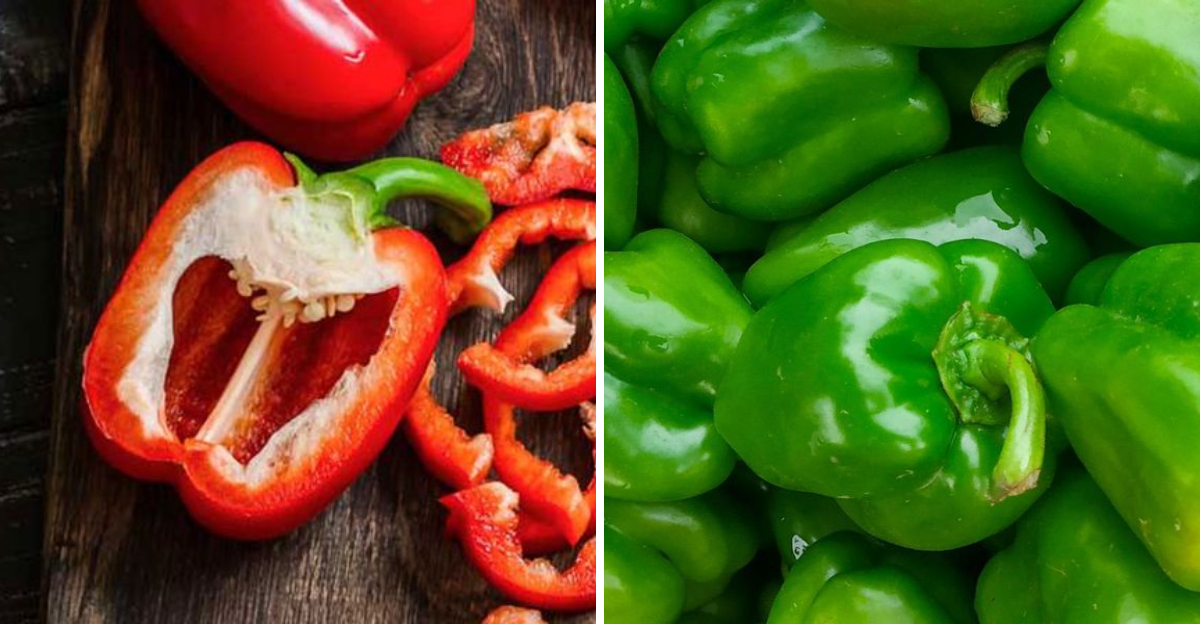
Bell peppers are one of the most colorful and versatile vegetables you can find in any grocery store. Whether you grab the green ones for a stir-fry or snack on red slices with hummus, these peppers pack a surprising amount of nutrition and flavor.
But did you know that red, yellow, and green bell peppers are actually more different from each other than they look? Here is everything you need to know about these crunchy, vibrant veggies.
1. Color Tells You How Ripe They Are
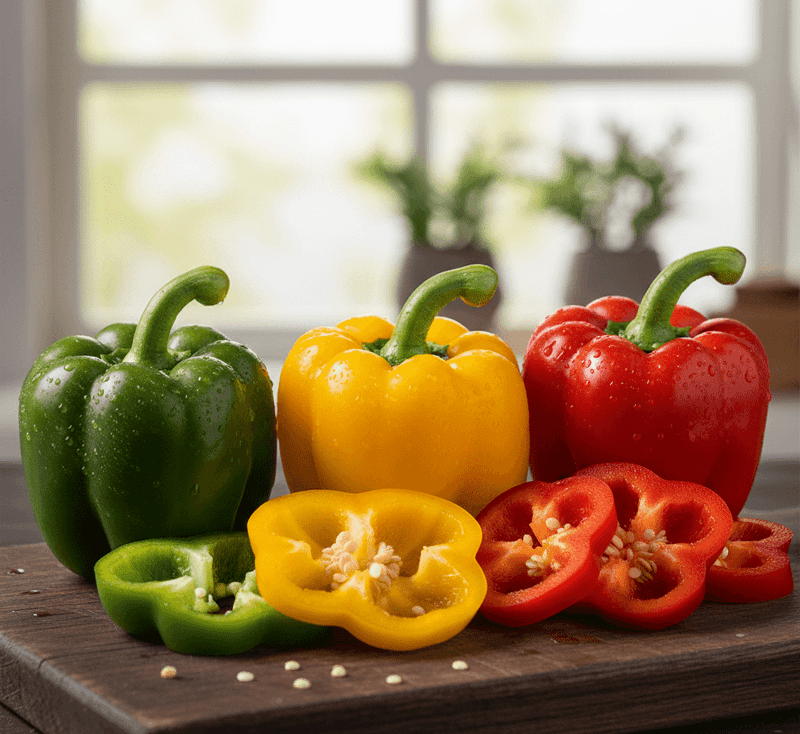
That green bell pepper sitting in your veggie drawer? It is actually unripe.
Green peppers are harvested before they fully mature, while yellow peppers are somewhere in the middle of the ripening process. Red bell peppers are the most mature of the three, having spent the longest time on the vine.
Think of it like a traffic light – the colors literally signal how far along the pepper is in its growth. Some yellow and orange varieties are bred specifically to stay that color at full ripeness.
2. Flavor Gets Sweeter as Peppers Ripen
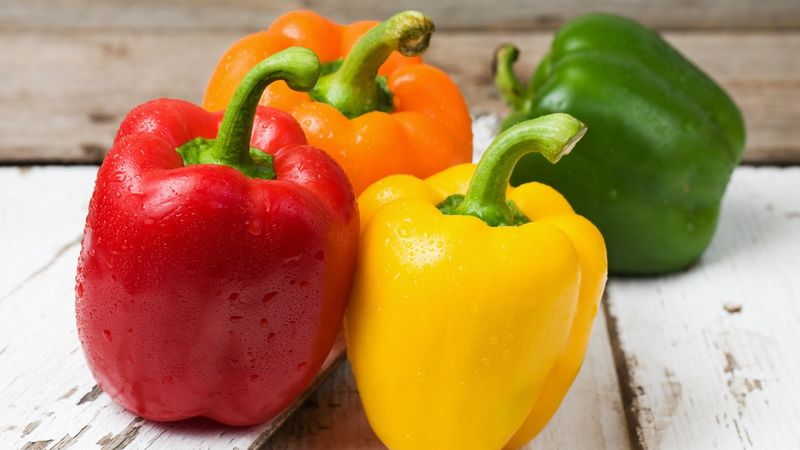
Bite into a green pepper and you will notice a bold, slightly bitter, grassy flavor. That sharpness comes from compounds that break down as the pepper ripens.
Yellow peppers are noticeably milder and carry a gentle fruity sweetness that makes them easy to enjoy raw.
Red bell peppers win the sweetness contest by a landslide. Their rich, almost candy-like flavor develops fully on the vine, making them a favorite for snacking, roasting, and dipping.
Picking the right color can completely change a dish.
3. Red Peppers Are Nutritional Powerhouses
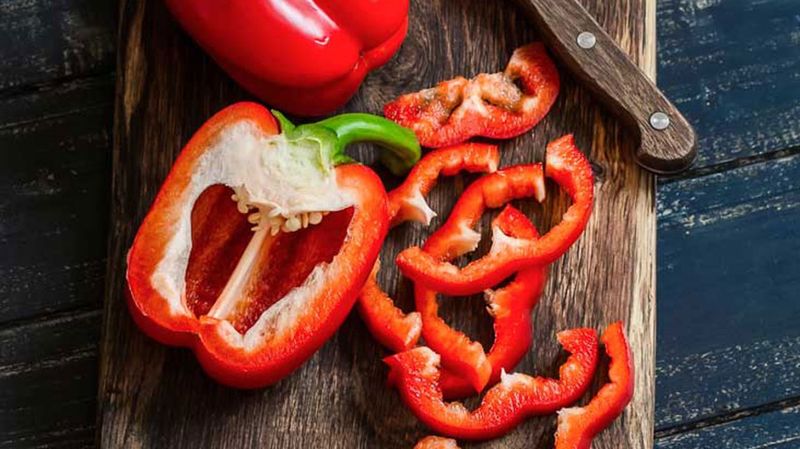
Ounce for ounce, red bell peppers pack more vitamins than most fruits and vegetables you eat every day. They are loaded with vitamins A and C, beta-carotene, and antioxidants like capsanthin and lycopene.
A single red pepper actually contains more vitamin C than an orange.
Beta-carotene supports brain health, glowing skin, strong lungs, and sharp eyesight. The longer a pepper stays on the vine, the more nutrients it builds up, which is one big reason red peppers are considered the most nutrient-dense of the three.
4. Green Peppers Bring Their Own Health Benefits
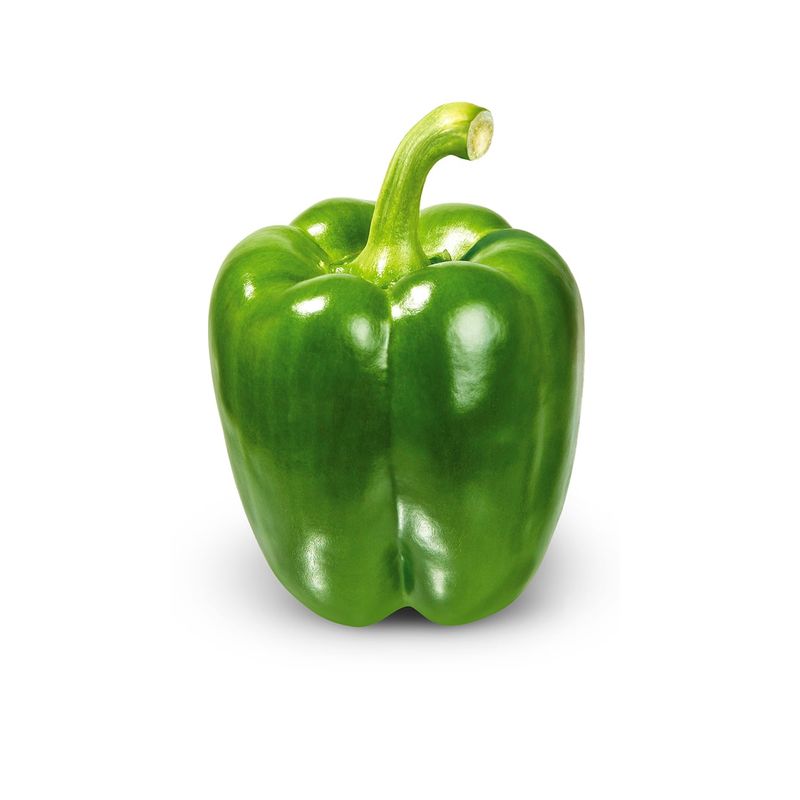
Do not sleep on the green pepper just because it is the least ripe. Green bell peppers are solid sources of vitamins A, C, and K, along with folate and fiber.
They also contain lutein and zeaxanthin, two antioxidants that are especially good for protecting your eyesight.
Compared to red and yellow peppers, green ones have slightly fewer antioxidants overall, but they still bring a lot to the table nutritionally. Their crisp texture and bold flavor also make them a satisfying, low-calorie snack or meal addition.
5. Yellow Peppers Land Right in the Middle
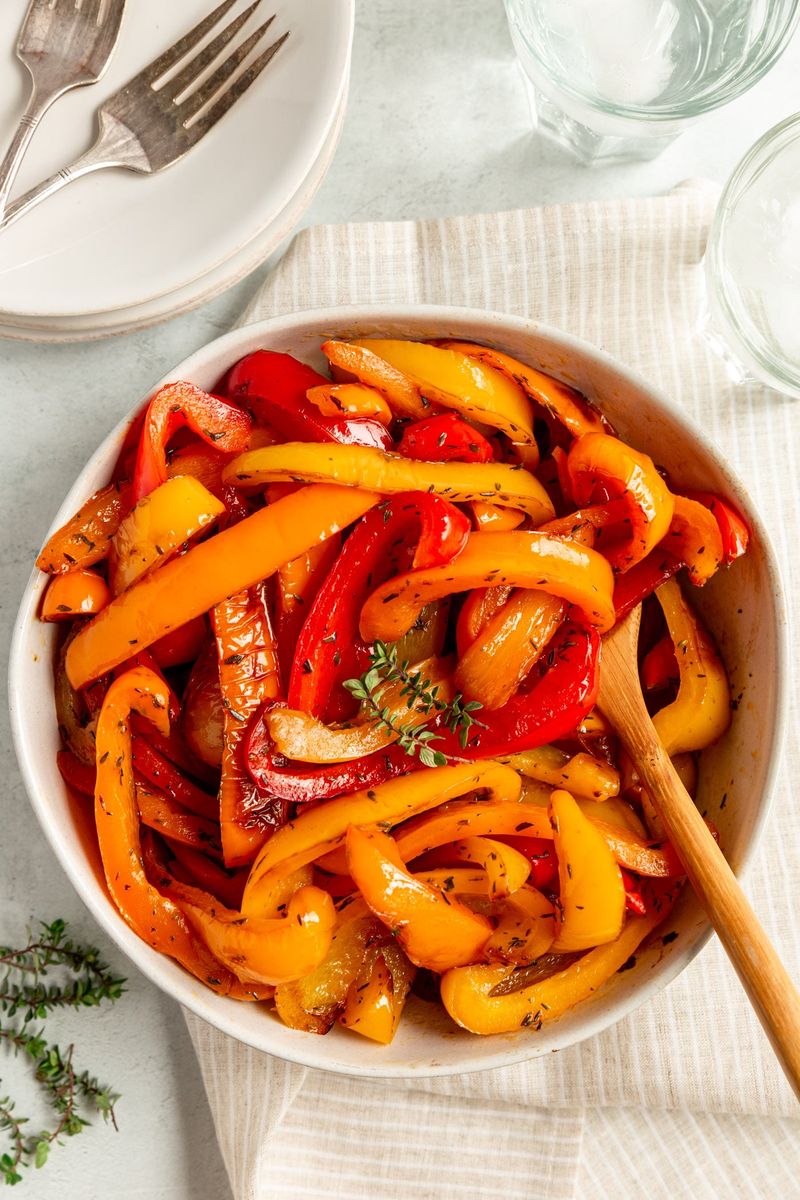
Yellow bell peppers are the sweet spot between bold and mild. Richer in antioxidants than green peppers but not quite as loaded as red ones, they contain a unique antioxidant called violaxanthin along with strong amounts of vitamins C and A.
Their gentle, fruity flavor makes them a fantastic addition to fresh salads, salsas, and roasted veggie dishes. When you want color and mild sweetness without overpowering other ingredients, yellow peppers are a smart and tasty choice that works well in almost any recipe.
6. Each Color Shines in Different Recipes
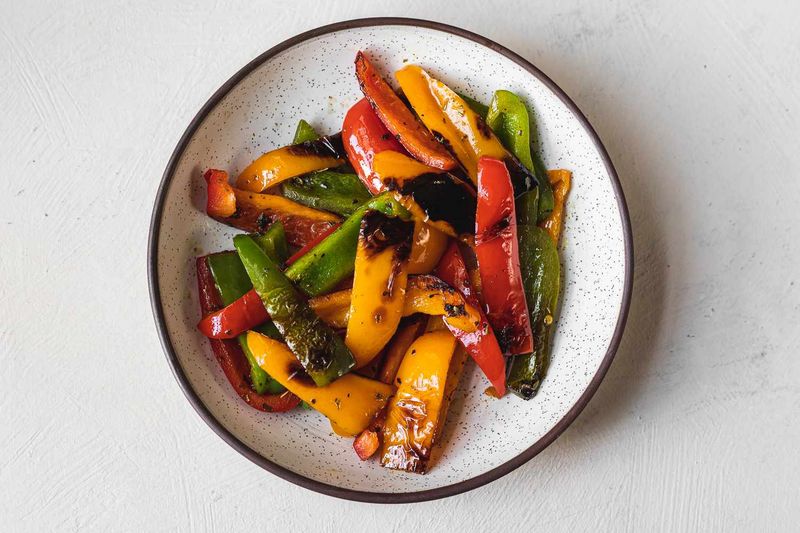
Green peppers hold their shape really well during cooking, making them perfect for stir-fries, casseroles, and pizza toppings. Fun fact: green bell peppers are actually one of the three vegetables in the Cajun and Creole “Holy Trinity,” alongside celery and onions.
Red and yellow peppers are better suited for raw snacking, roasting, and making salsas because their sweetness shines brightest when they are not overcooked. Red, yellow, and orange bell peppers are often interchangeable in recipes calling for a sweeter, fruitier flavor profile.
7. Green Peppers Cost Less for a Good Reason
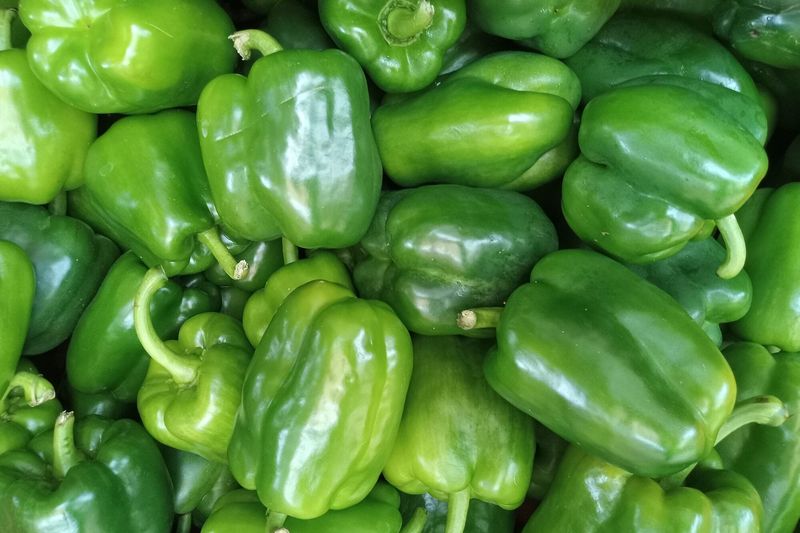
Ever noticed that green peppers are almost always cheaper at the store? There is a straightforward explanation for that.
Because green peppers are picked earlier in their growing cycle, farmers spend less time watering, fertilizing, and tending to the plant before harvest.
Red bell peppers need an extra 30 to 45 days on the plant compared to green ones, which adds up in labor and resources. That extra time on the vine is exactly what makes them sweeter and more nutritious – but also more expensive to produce and buy.