
8 Health Benefits Of Apples

An apple a day might actually keep the doctor away — and science backs that up. Apples are one of the most popular fruits in the world, and they pack a surprising amount of goodness into every crisp bite.
From your heart to your brain, the nutrients found in apples support your body in more ways than most people realize. Keep reading to find out exactly why this simple fruit deserves a spot in your daily diet.
1. Rich in Nutrients and Antioxidants

Crack open an apple and you are looking at a powerhouse of vitamins, minerals, and antioxidants all wrapped in a colorful peel. Compounds like quercetin, catechin, and chlorogenic acid work hard inside your body to fight oxidative stress — a process linked to aging and disease.
These antioxidants also help reduce inflammation, which is connected to many chronic health problems. Eating apples regularly gives your body a steady supply of these protective nutrients without any extra effort.
2. Supports Heart Health

Your heart works nonstop every single day, so giving it the right fuel matters more than most people think. Apples contain soluble fiber called pectin, which binds to LDL cholesterol — the “bad” kind — and helps remove it from your bloodstream before it can cause damage.
On top of that, the polyphenols in apples have been shown to lower blood pressure. Studies link regular apple consumption to a meaningfully reduced risk of both heart disease and stroke.
3. Aids in Weight Management

Trying to manage your weight does not have to mean feeling hungry all the time. Apples are loaded with fiber and water, two things that make your stomach feel full without packing in a ton of calories.
One medium apple has around 95 calories but keeps you satisfied for hours.
Swapping out a processed snack for an apple can quietly reduce your total calorie intake over time. That small daily habit adds up to real results on the scale.
4. Promotes Gut Health and Digestion

Your gut is basically a community of trillions of bacteria, and what you eat determines whether the good guys or the bad guys win. The pectin fiber in apples acts as a prebiotic, feeding the beneficial bacteria that keep your digestive system running smoothly.
A well-balanced gut microbiome is tied to better immunity, mood, and digestion. Apples can also help regulate bowel movements, making them useful whether you are dealing with constipation or the opposite problem.
5. May Reduce Risk of Certain Cancers

No single food can prevent cancer, but some foods give your body better tools to fight back — and apples are on that list. The polyphenols and fiber found in apples have been linked in studies to a lower risk of colorectal, lung, and breast cancers.
Researchers believe these compounds interfere with the growth of cancer cells and reduce inflammation that can trigger tumor development. Eating apples regularly as part of a balanced diet is a smart, proactive step toward long-term health.
6. Helps Manage and Prevent Diabetes

Unlike sugary snacks that send blood sugar levels spiking, apples have a low glycemic index, meaning they release sugar into your bloodstream slowly and steadily. The fiber in apples slows digestion, and specific polyphenols like quercetin and phlorizin help improve how your body responds to insulin.
Research has found that people who eat apples regularly have a noticeably lower risk of developing type 2 diabetes. That makes the humble apple one of the smartest snacks for blood sugar control.
7. Supports Brain Health
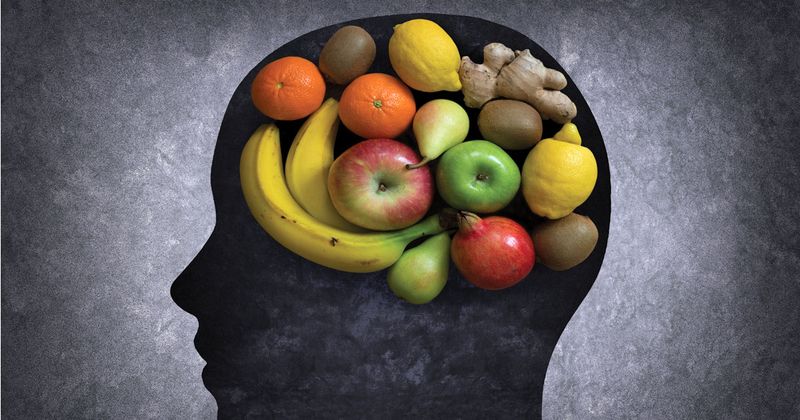
Did you know that quercetin, one of the key antioxidants found in apples, has been studied for its ability to protect brain cells from damage? Oxidative stress in the brain is connected to memory loss and conditions like Alzheimer’s disease, and antioxidants help slow that process down.
Another compound called fisetin, also found in apple skin, has shown promise in supporting memory and learning. Munching on an apple daily could be one of the simplest habits you adopt for a sharper mind.
8. Promotes Bone Health

Strong bones are built over a lifetime, and what you eat plays a bigger role than most people expect. Apples contain a flavonoid called phloridzin, concentrated mainly in the peel, which has been linked to improved bone density and reduced bone breakdown — especially in postmenopausal women.
Beyond phloridzin, apples also provide boron, potassium, and vitamin C, all of which contribute to maintaining sturdy bones. Keeping the peel on when you eat your apple is the easiest way to get these full bone-building benefits.