10 Little-Known Spanish Desserts Full Of Local Flavor
Spain is famous for churros and flan, but the country’s dessert scene goes way deeper than that. Tucked inside bakeries and family kitchens across every region, you’ll find sweets that have been made for generations yet rarely appear on tourist menus.
From caramelized cream rolls to almond-filled pastries, these treats carry the history and heart of their hometowns. Get ready to discover ten hidden gems of Spanish pastry that deserve a spot on every food lover’s radar.
1. Piononos (Granada, Andalusia)
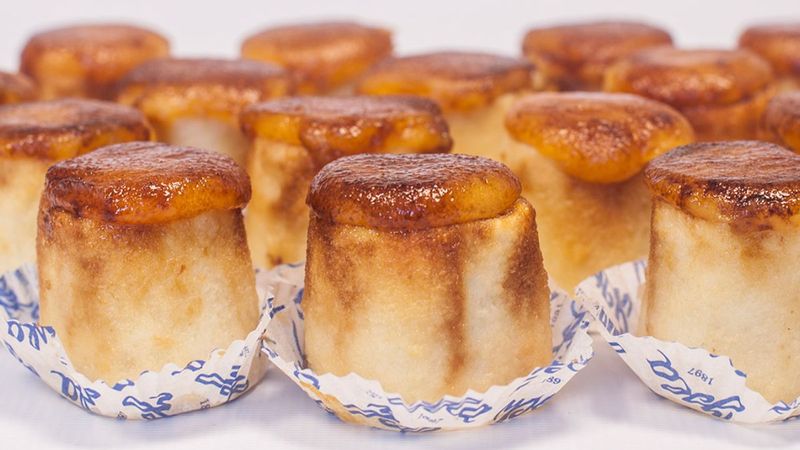
Born in the sun-drenched city of Santa Fe, Granada, piononos are tiny cylindrical cakes with a surprisingly rich story. Created in the 19th century, each one is a thin sponge soaked in syrup, rolled up tight, and crowned with a swirl of egg yolk cream that gets caramelized to golden perfection.
They are named after Pope Pius IX, whose Spanish name was “Pío Nono.” One bite delivers a perfect balance of soft, sweet, and slightly smoky flavor that feels both delicate and indulgent.
2. Refollau (Ayerbe, Aragón)
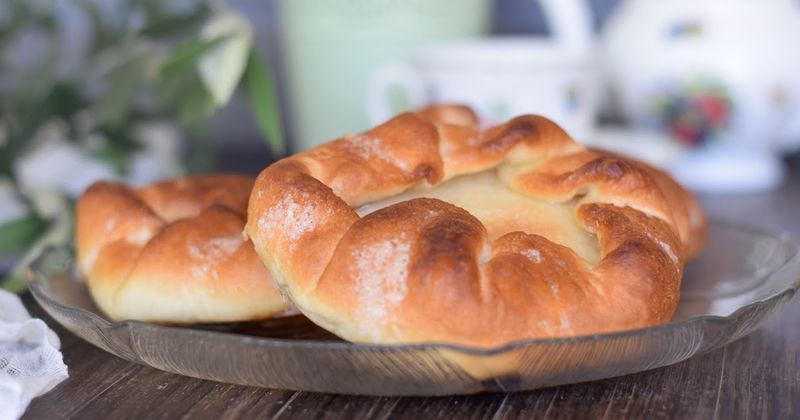
Rustic, honest, and centuries old, the Refollau is the kind of pastry that tells you everything about the village it comes from. Made in Ayerbe, a small town in Aragón, this flat dough treat is seasoned with nothing more than oil and sugar, yet somehow manages to be deeply satisfying.
Its name actually comes from the word for “folds” in the local dialect, referencing the layered technique used to shape it. The contrast between its soft crumb and crisp golden crust makes every piece memorable.
3. Carbayón (Oviedo, Asturias)
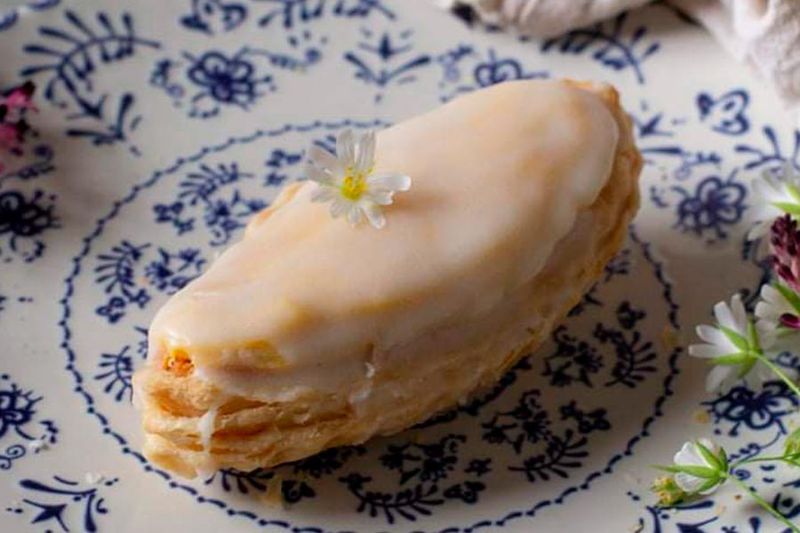
Walk into any traditional pastry shop in Oviedo and the Carbayón will be waiting for you, gleaming with a citrus-scented glaze. This flaky treat was born in the early 20th century and has been a local pride ever since.
Inside the crisp puff pastry shell, you will find a rich mixture of ground almonds and egg that feels almost like a warm hug. The topping, a syrup flavored with lemon, cinnamon, and egg yolk, gives it a bright, aromatic finish that lingers long after the last bite.
4. Canutillos (Navarre)
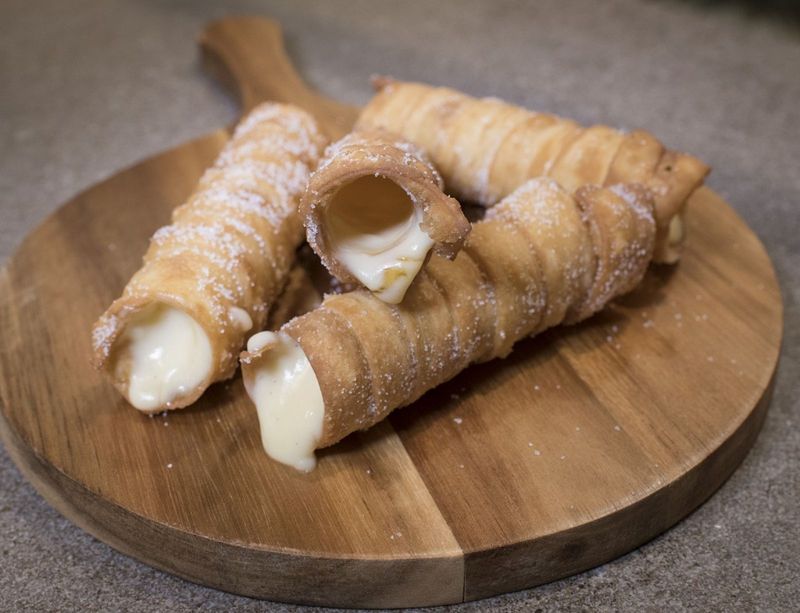
Canutillos look almost too pretty to eat, with their perfectly rolled golden tubes and creamy white filling peeking out from each end. Popular across the northern region of Navarre, these crispy rolls are made from shortcrust pastry prepared with lard or butter, giving them an irresistible snap when you bite in.
The filling is a smooth, homemade pastry cream that is rich but not overpowering. Locals enjoy them during festivals and family gatherings, where a plate of canutillos disappears faster than you might expect.
5. Panchineta (Basque Country)
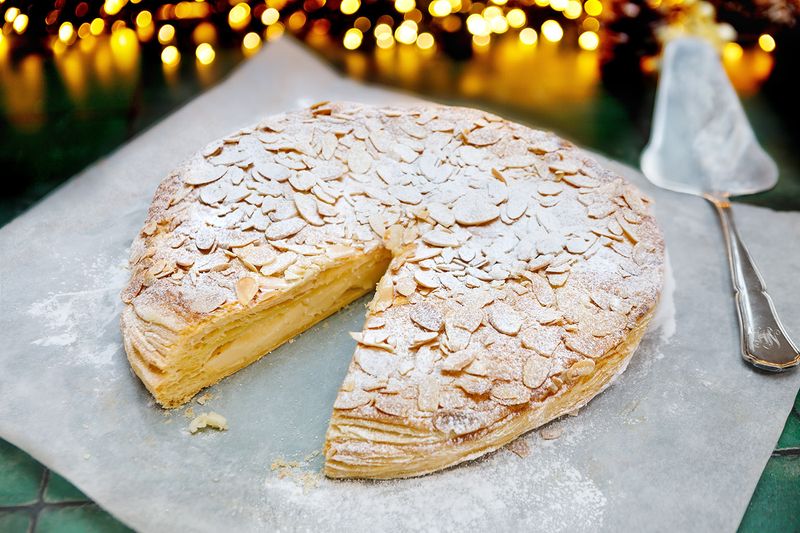
Straightforward yet spectacular, the Panchineta is the Basque Country’s answer to a classic cream-filled pastry cake. Two layers of buttery puff pastry sandwich a generous amount of smooth pastry cream, and the whole thing gets a dusting of sugar before baking to a beautiful golden finish.
It is the kind of dessert that feels both homey and celebratory at the same time. Bakeries across San Sebastian and Bilbao have their own cherished recipes, making each Panchineta a slightly personal expression of Basque pastry pride.
6. Tecula Mecula (Extremadura)
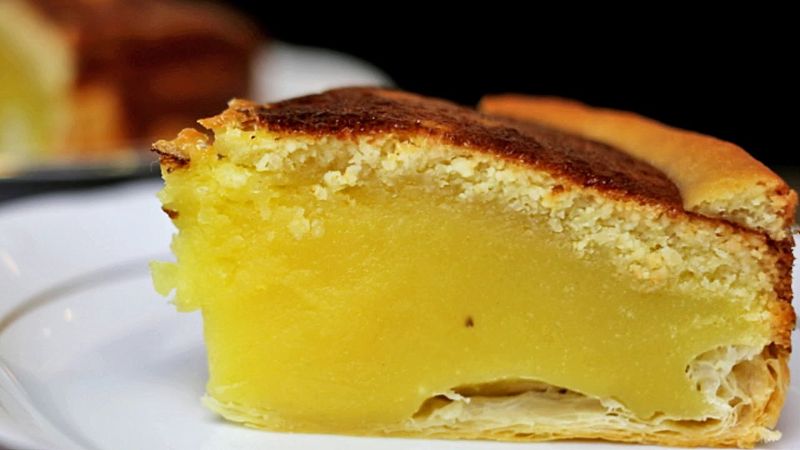
Few Spanish desserts carry as much mystery as the Tecula Mecula, a name that sounds almost like a magic spell. Originating from Olivenza in the Badajoz province of Extremadura, this almond pie blends egg yolks, sugar, and finely ground almonds into a filling that practically melts the moment it touches your tongue.
The puff pastry base adds a satisfying contrast in texture. Sometimes enriched with lard or a whisper of cinnamon, it has a delicate, old-world flavor that feels unlike anything else on this list.
7. Flores Fritas (Castile La Mancha)
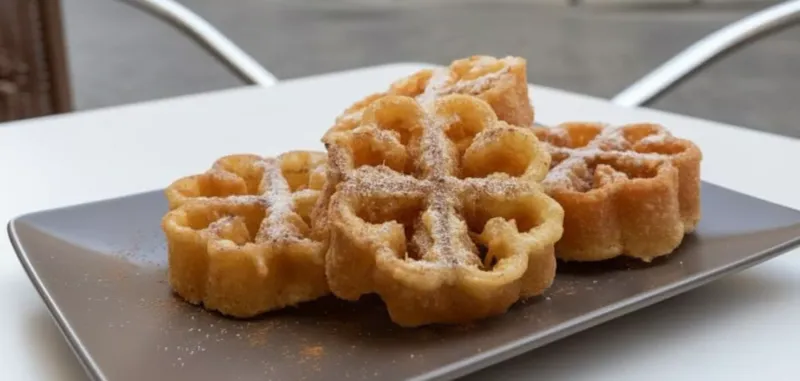
Shaped like the iconic Calatrava cross using a special iron mold, Flores Fritas are as beautiful to look at as they are fun to eat. A beloved tradition in Ciudad Real, Castile La Mancha, these fried dough pastries are light, crispy, and wonderfully simple in their ingredients.
Once fried to a delicate golden color, they get showered with sugar, cinnamon, honey, or even chocolate depending on personal taste. Making them is almost a ritual, since the art of using the mold correctly is a skill passed from one generation to the next.
8. Bartolillos (Community of Madrid)
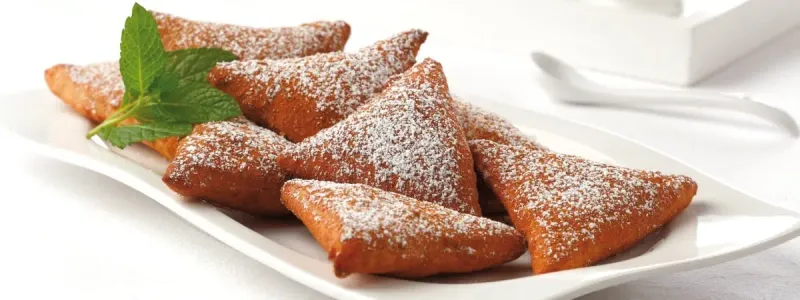
Ask older Madrileños about bartolillos and their eyes will light up with nostalgia. These small fried pastries were once a staple of Madrid’s sweet shops but have quietly faded from everyday menus, making them something of a rediscovered treasure for food enthusiasts.
Each one is filled with a rich pastry cream flavored with lemon, cinnamon, or vanilla, then fried until the outside turns crisp and golden. A final dusting of icing sugar seals the deal, making them a wonderfully comforting bite of old Madrid.
9. Fardelejos (La Rioja)
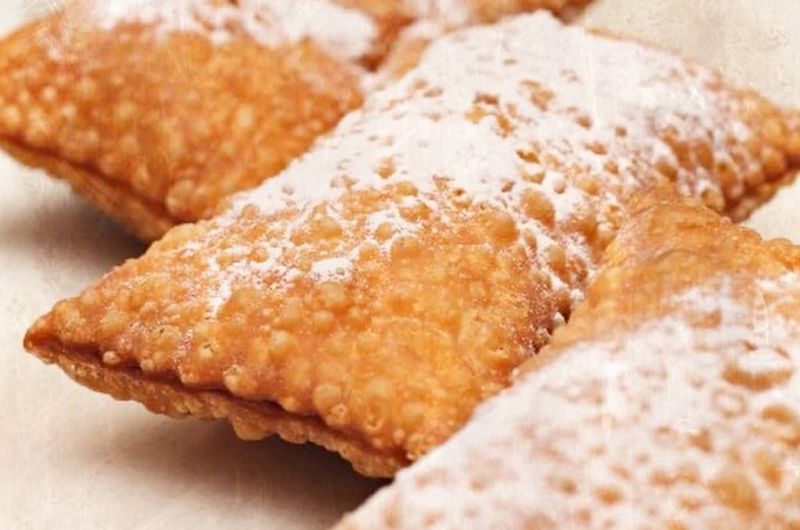
Arnedo, a quiet town in La Rioja wine country, has been quietly perfecting Fardelejos for generations. These rectangular pastries feature incredibly thin, blistered layers of dough that shatter with a satisfying crunch when you break them apart.
Inside, a soft almond filling waits, lighter and more delicate than traditional marzipan, sometimes carrying subtle hints of citrus zest or cinnamon. The combination of airy crunch and gentle sweetness makes Fardelejos feel almost ethereal, a dessert that rewards slow, appreciative eating rather than rushing through.
10. Goxua (Basque Country, Álava)
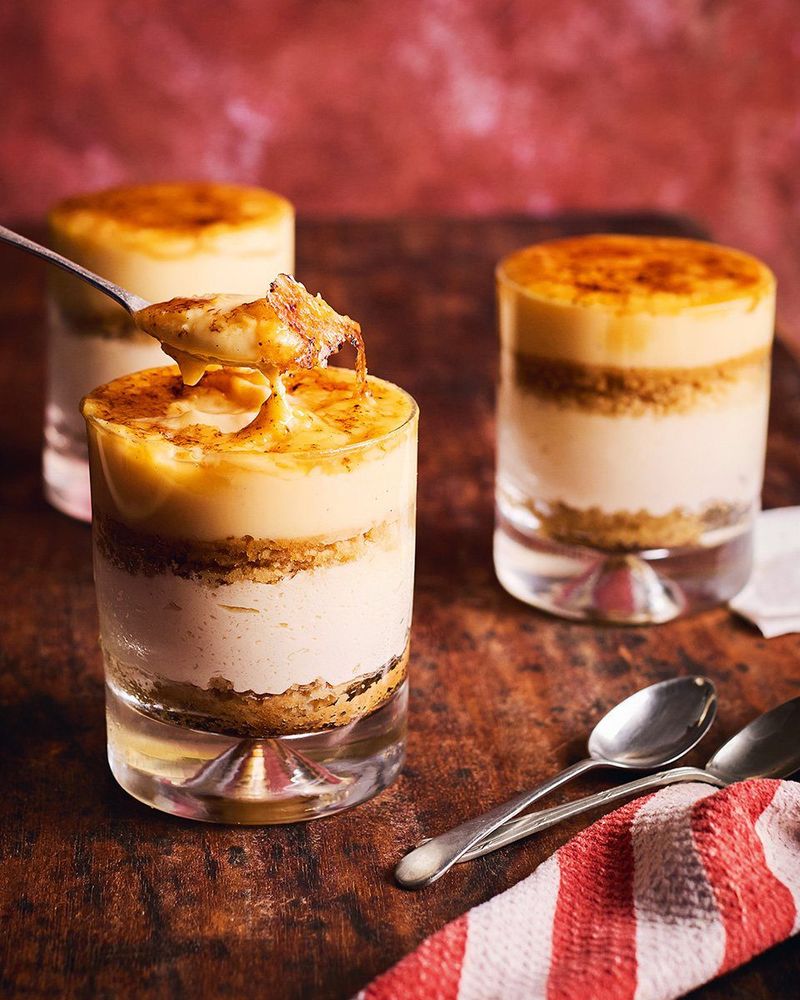
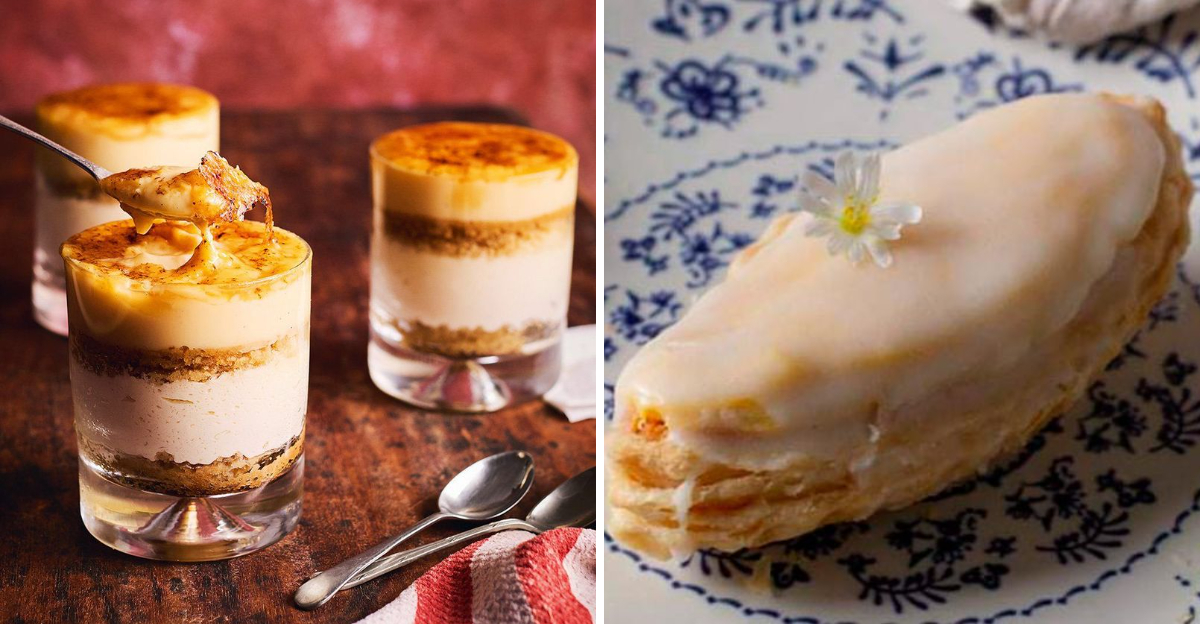
“Goxua” simply means “sweet” in the Basque language, and this layered dessert lives up to that name in the most charming way possible. Built in a glass so you can admire every layer, it starts with billowy whipped cream at the base, followed by soft sponge cake, and then a glossy pastry cream on top.
That final cream layer gets lightly caramelized, giving it a delicate crack similar to a creme brulee. Invented in Álava, Goxua is the kind of dessert that makes you want to eat slowly just to enjoy each distinct layer.