18 Chef-Level Tips For Cooking With Eggplant
Eggplant is one of those vegetables that can totally transform a dish when you know how to handle it right. From silky dips to crispy fried slices, this purple powerhouse has been a kitchen staple across cultures for centuries.
But without the right techniques, it can turn out soggy, bitter, or greasy. These chef-level tips will help you cook eggplant like a pro every single time.
1. Choose the Right Eggplant at the Store

Not all eggplants are created equal, and the one you pick at the store can make or break your dish. Look for eggplants that feel firm and heavy for their size, with smooth, shiny skin and no soft spots or brown patches.
Smaller eggplants tend to have fewer seeds and a milder flavor. Give the stem a quick check too — a fresh green stem means it was recently harvested and will taste its best.
2. Salt It First to Beat Bitterness
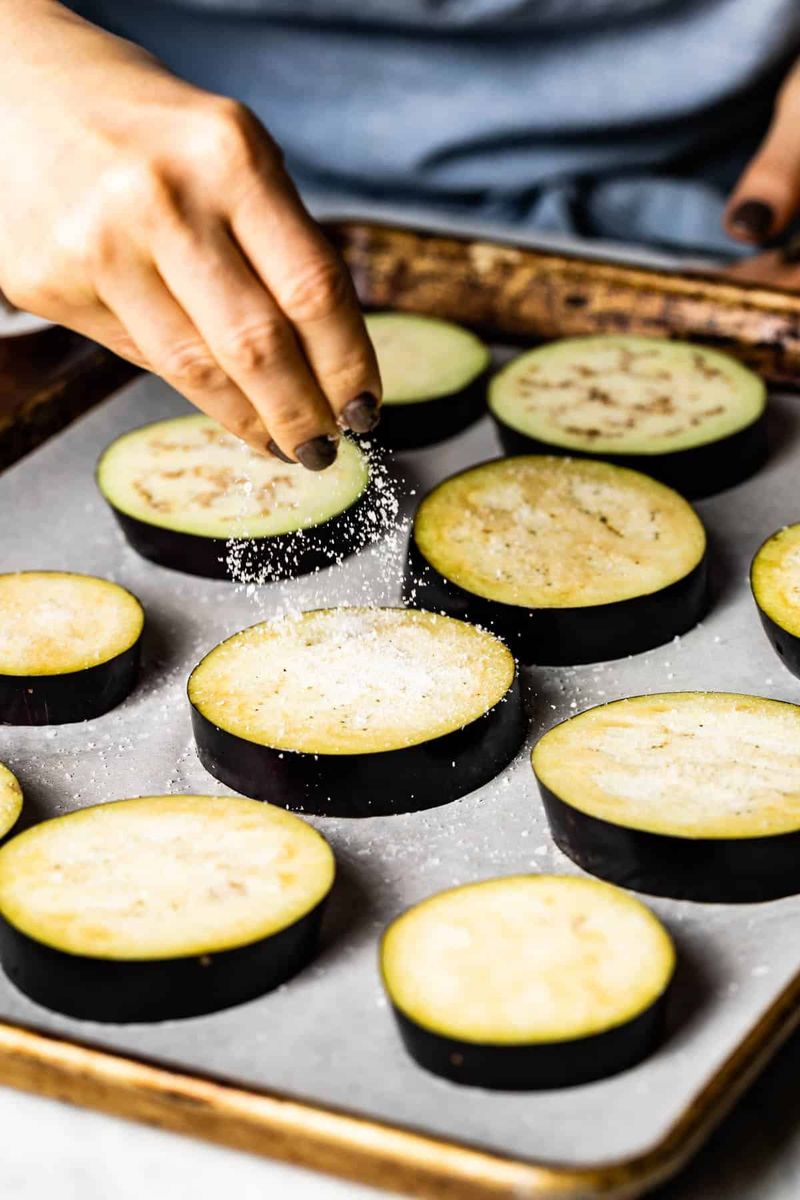
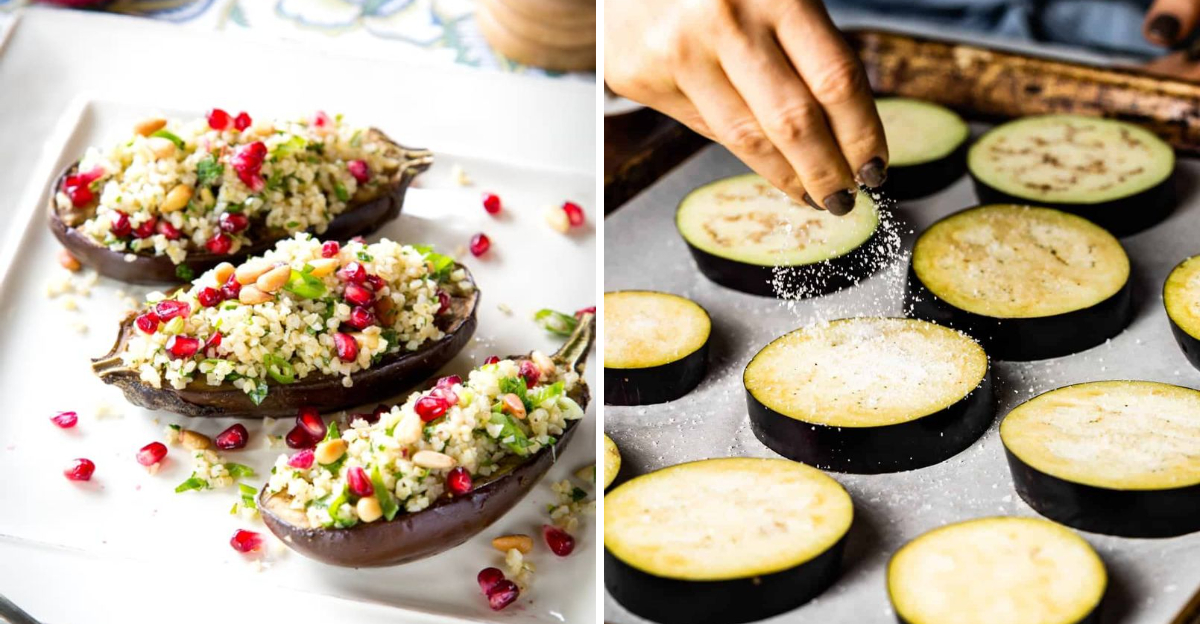
Salting eggplant before cooking is one of the oldest tricks in the book, and it still works wonders today. Sprinkle generous amounts of salt over your sliced or cubed eggplant, then let it rest for 30 to 60 minutes.
The salt pulls out excess moisture through osmosis, which reduces any bitter taste and helps the eggplant cook up beautifully instead of turning mushy. After resting, rinse it well and pat it completely dry before cooking.
3. Always Pat Dry Before Cooking
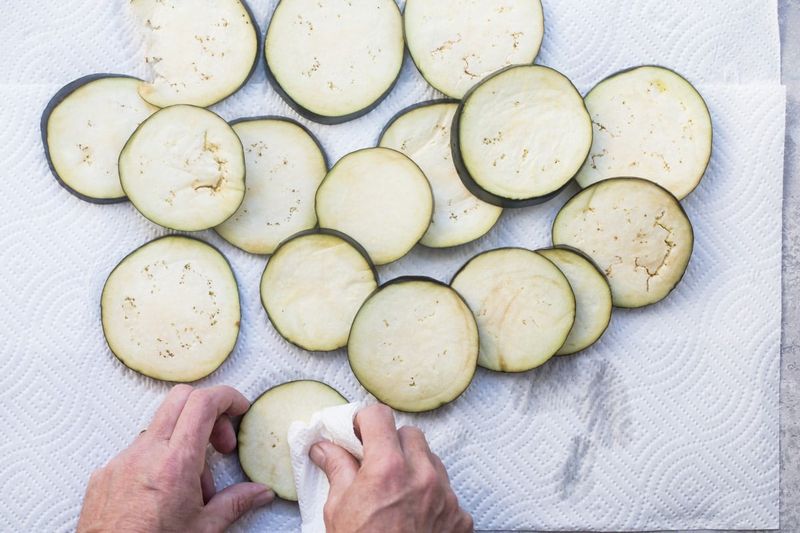
After salting and rinsing your eggplant, drying it thoroughly is a step you absolutely cannot skip. Leftover moisture on the surface will steam the eggplant instead of browning it, leaving you with a soft, sad result.
Press down firmly with paper towels to squeeze out as much water as possible — this also collapses the air pockets inside, which means less oil gets absorbed during cooking. Dry eggplant crisps up far better and tastes richer.
4. Try Soaking in Milk for a Creamier Result
Here is a lesser-known trick that professional chefs swear by: soaking peeled, cut eggplant in milk for about 30 minutes before cooking. The milk softens the flesh and mellows out any lingering bitterness in a surprisingly effective way.
It also gives the eggplant a noticeably creamier texture once cooked, which is perfect for dishes like moussaka or eggplant parmesan. Simply drain, pat dry, and cook as usual after the soak.
5. Remove the Seeds to Tame the Flavor
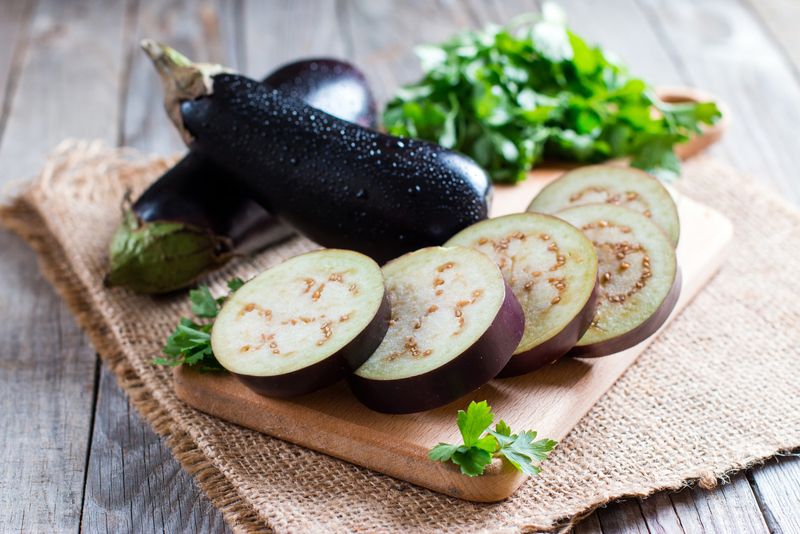
Did you know the seeds inside an eggplant are often the main source of bitterness? Scooping them out before cooking can make a noticeable difference in flavor, especially with large globe eggplants that tend to have more seeds.
Use a spoon to scrape out the seed-heavy center after cutting the eggplant in half lengthwise. This small extra step is especially useful when you want a milder, smoother result in purees, dips, or stuffed eggplant recipes.
6. Roast at High Heat for Maximum Flavor
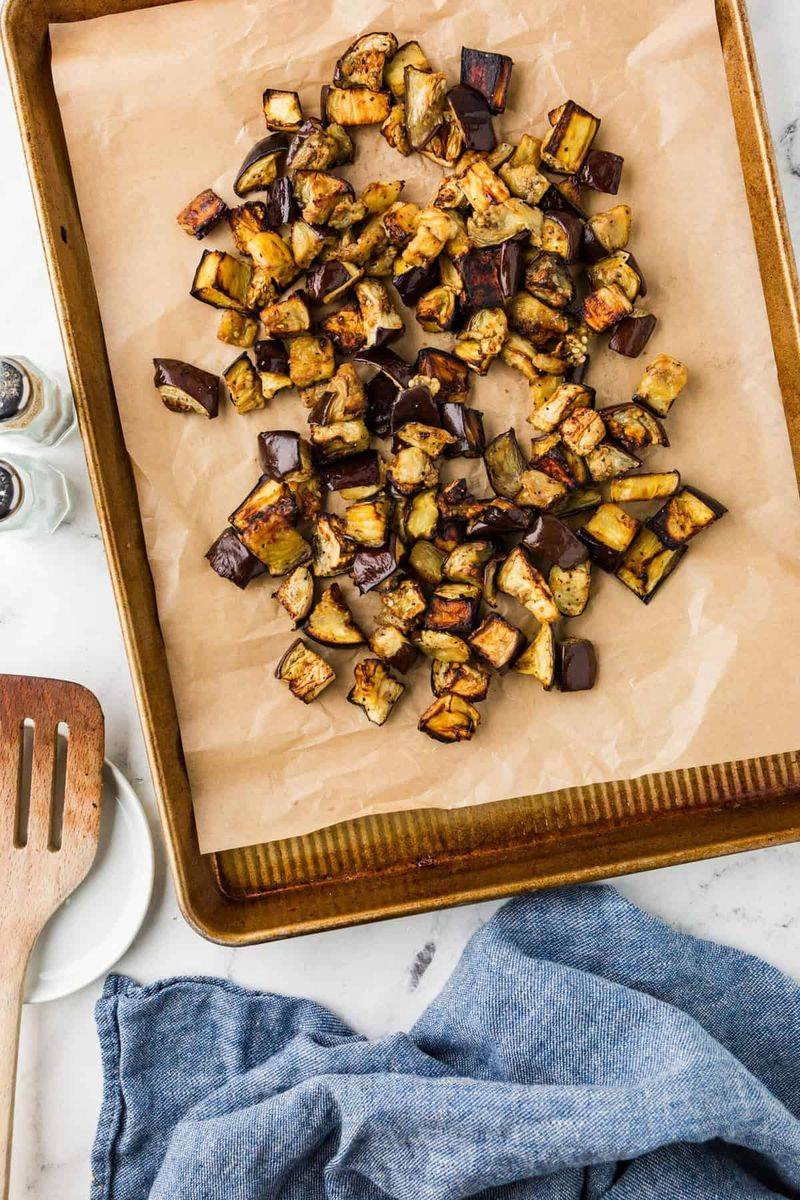
Roasting is one of the best ways to cook eggplant because high heat unlocks its natural sweetness and creates those gorgeous caramelized edges. Set your oven to 400-450 degrees Fahrenheit and spread eggplant pieces in a single layer on a parchment-lined baking sheet.
Toss them with olive oil and your favorite seasonings first. Roast for 20 to 45 minutes, flipping once halfway through, until the pieces are golden, tender, and slightly collapsed — absolutely delicious on their own or in any dish.
7. Never Crowd the Pan
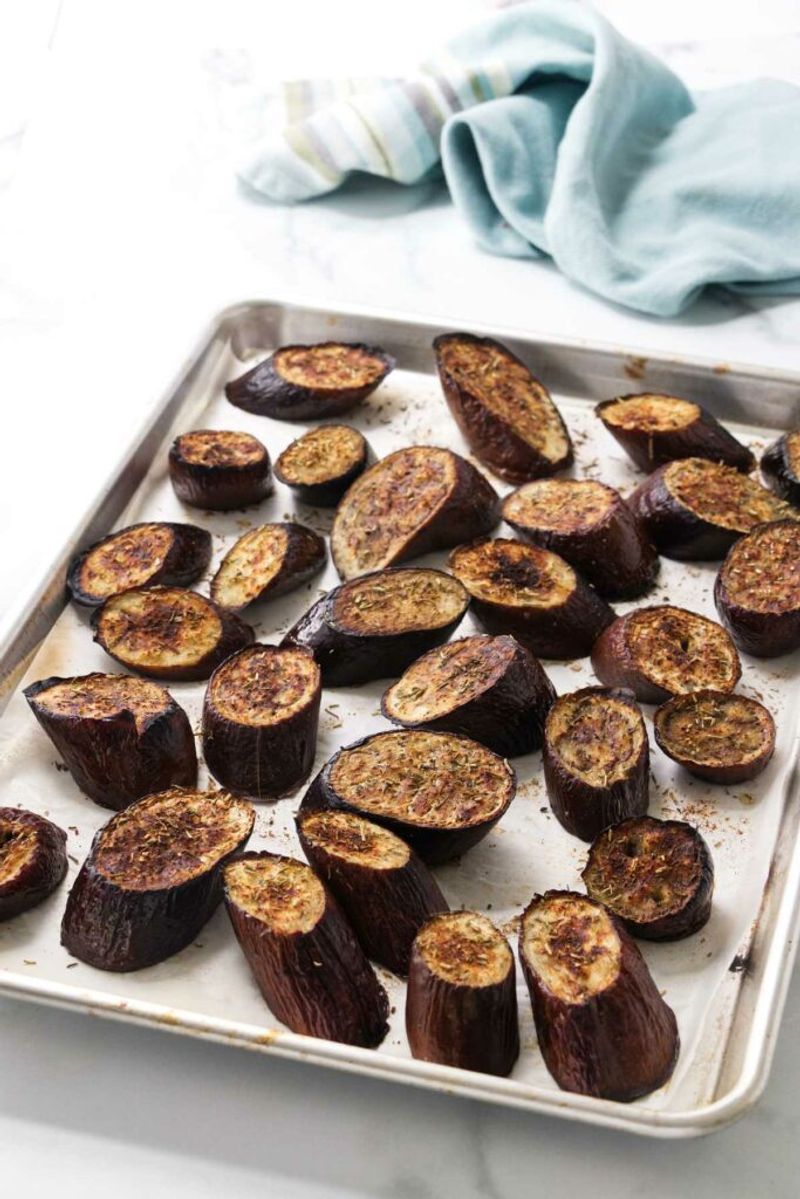
Overcrowding the pan is one of the most common mistakes home cooks make with eggplant. When pieces are packed too close together, they steam instead of roast, resulting in a mushy, pale texture rather than a golden, flavorful one.
Always give each piece enough room to breathe on the baking sheet or in the skillet. If you have a large batch, use two pans rather than piling everything onto one.
Space equals crispiness, and crispiness equals delicious.
8. Grill Whole Eggplant Over an Open Flame

Grilling a whole eggplant directly over an open flame is the secret behind the smoky, silky dip known as baba ganoush. The charred skin imparts an incredible depth of flavor that you simply cannot replicate any other way.
Use tongs to rotate the eggplant every few minutes until the skin is completely blackened and the inside feels soft when pressed. Once cooled, the charred skin peels away easily, revealing creamy, smoky flesh ready to be mashed or pureed.
9. Score the Flesh Before Grilling Halves
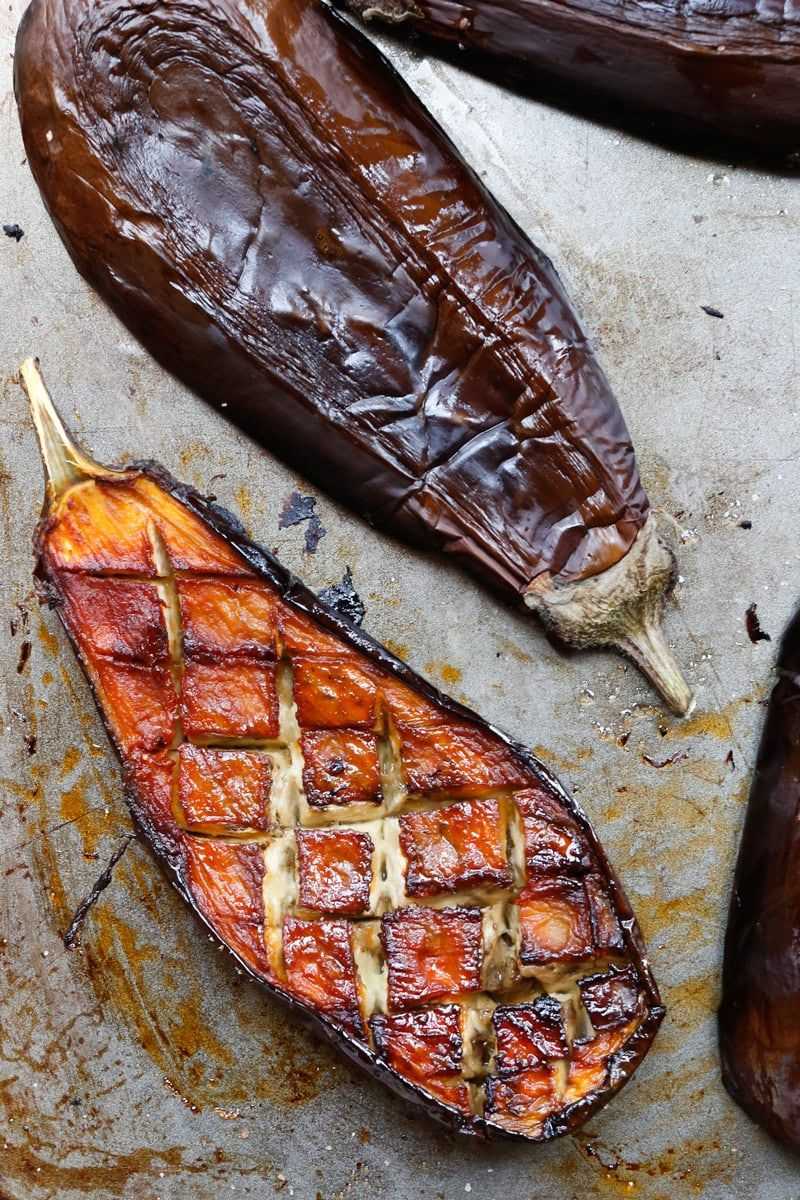
When grilling halved eggplant, take an extra minute to score the cut flesh in a crosshatch pattern before brushing on oil and seasonings. This simple move allows the heat and flavors to penetrate much deeper into the eggplant.
It also helps the flesh cook more evenly, so you do not end up with a raw center and an overdone exterior. Scored eggplant halves on the grill become beautifully tender throughout and soak up marinades like a dream.
10. Use the Right Oil and Temperature for Frying
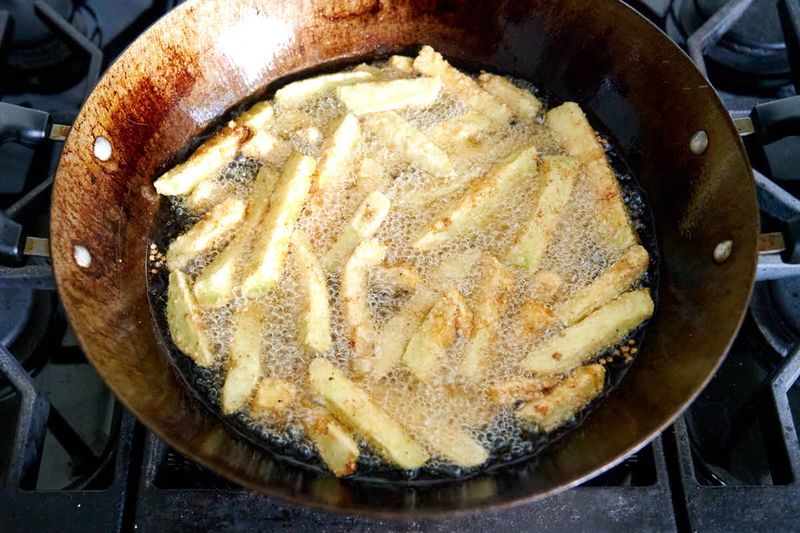
Frying eggplant perfectly comes down to two things: the right oil and the right temperature. Use a neutral oil like canola or vegetable oil, which can handle higher heat without burning, unlike olive oil.
Heat the oil to around 350 degrees Fahrenheit before adding the eggplant. If the oil is not hot enough, the eggplant will soak up excess grease and turn limp.
A kitchen thermometer takes all the guesswork out and gives you consistently crispy, golden results every time.
11. Coat in Flour for a Crispy Crust

A light coating of flour before frying does more than just add crunch — it acts as a protective barrier that keeps moisture locked inside the eggplant while the outside crisps up beautifully.
For an extra-crispy finish, some chefs dip the floured eggplant briefly in water before dropping it into the hot oil. This creates a thin, almost tempura-like seal that dramatically reduces how much oil the eggplant absorbs.
The result is a lighter, crunchier bite with a tender, creamy center.
12. Microwave to Draw Out Moisture Fast
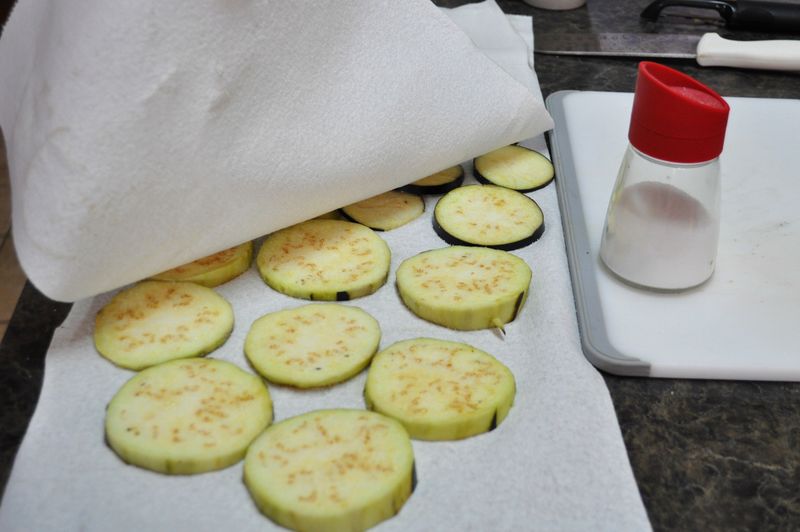
Short on time? The microwave can be a surprisingly effective tool for prepping eggplant.
Lay sliced eggplant between layers of paper towels and microwave on high for about three to five minutes.
The heat draws out a significant amount of moisture quickly, firming up the exterior and making the eggplant less likely to turn soggy during cooking. This technique works especially well when combined with a light salting beforehand, cutting your overall prep time down considerably without sacrificing quality.
13. Know Your Eggplant Varieties
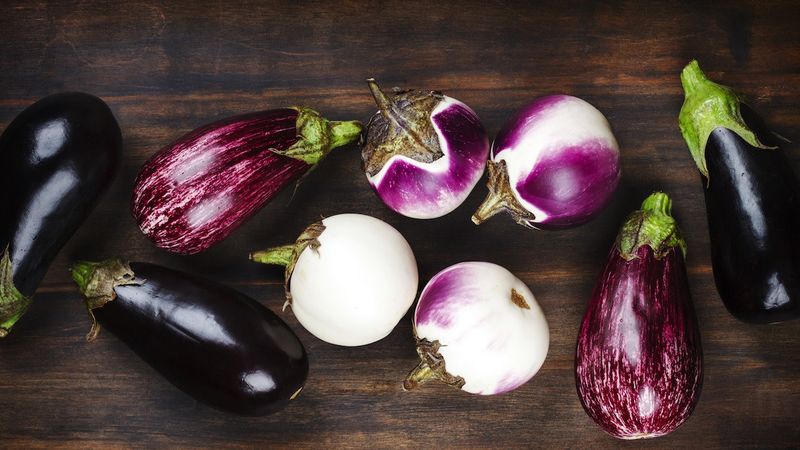
Eggplant comes in more varieties than most people realize, and picking the right one for your recipe makes a real difference. Globe eggplants are the big, familiar purple ones — great for casseroles and baking but sometimes tough-skinned.
Italian eggplants are smaller, sweeter, and more tender, making them wonderful for grilling or sauteing. Long, slender Japanese or Chinese eggplants are mild, have fewer seeds, and hold their shape during quick cooking like stir-frying.
Matching variety to method elevates the whole dish.
14. Poke Holes Before Roasting Whole Eggplant
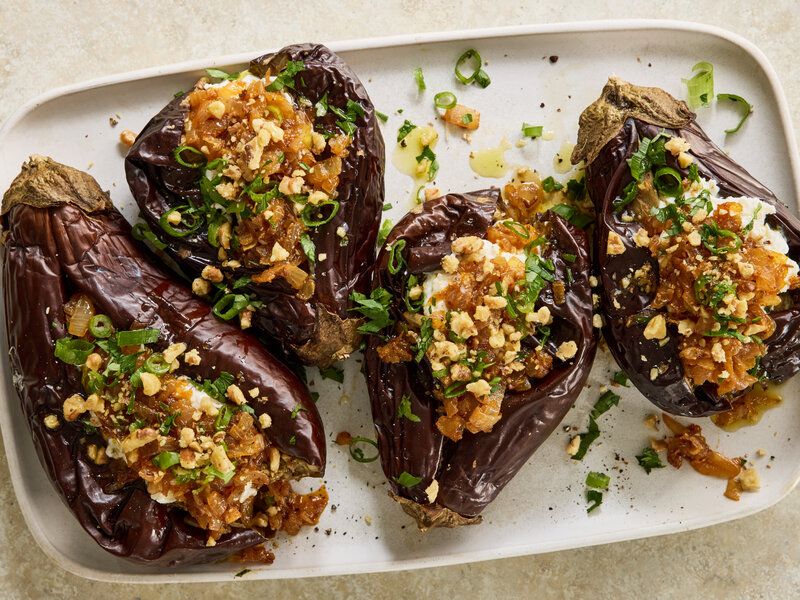
Roasting a whole eggplant in the oven is a fantastic way to get soft, scoopable flesh for dips and spreads. But before it goes in, grab a fork and poke it all over — at least eight to ten times.
Without those holes, steam builds up inside and the eggplant can actually burst in your oven, making a real mess. The fork holes let steam escape safely while the eggplant roasts into a perfectly soft, collapsible interior in about 45 minutes at 400 degrees Fahrenheit.
15. Brine for a Firmer, Less Soggy Texture
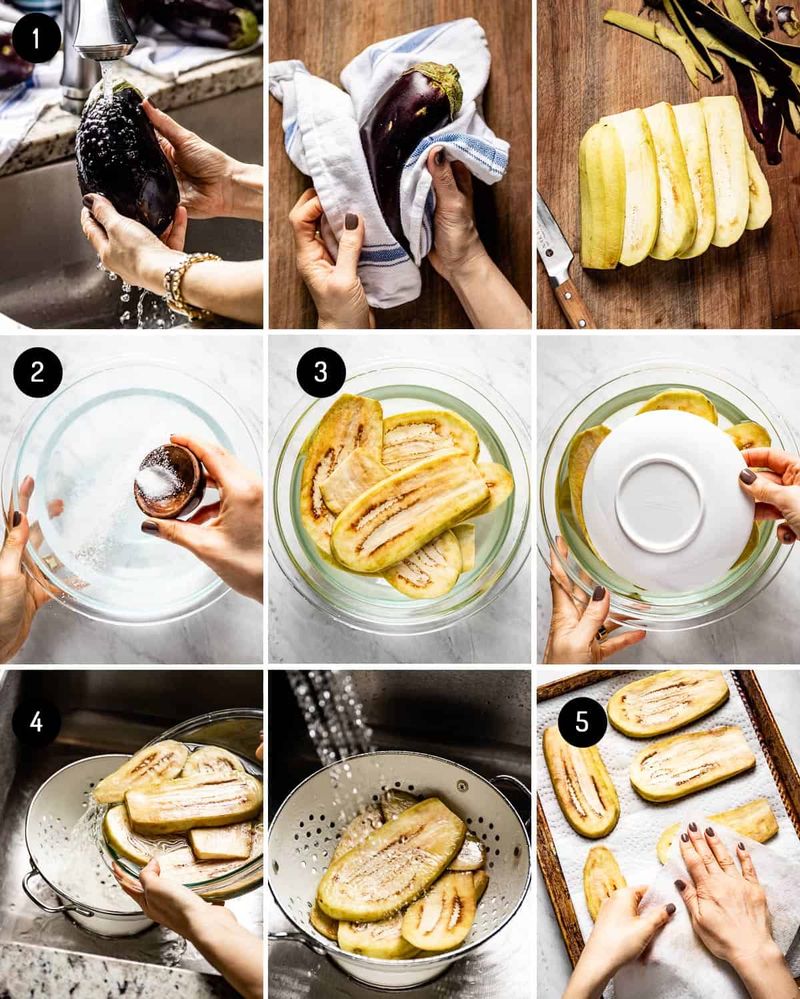
Brining is different from dry salting, and it produces a noticeably firmer eggplant that holds up well during cooking. Mix salt into cold water until it tastes like the sea, then submerge your eggplant slices for 30 to 60 minutes.
This method is particularly useful when you want eggplant that keeps its shape in stews, stir-fries, or grilled preparations. One thing to keep in mind: brined eggplant is better for dishes where you want some structure, not for recipes calling for a soft, melting texture.
16. Use Eggplant as a Meat or Pasta Substitute
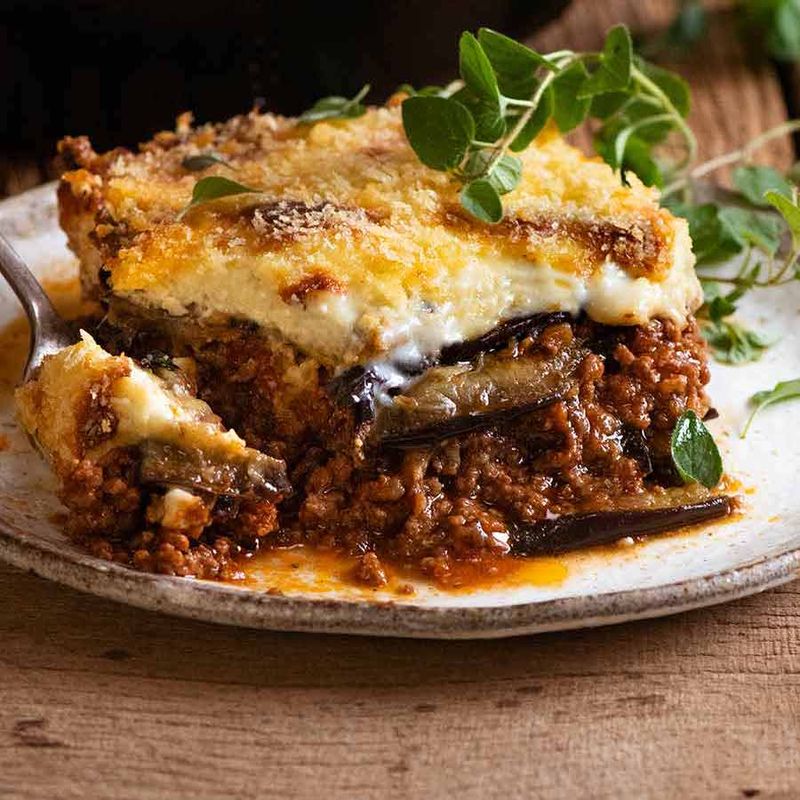
Eggplant has a meaty, satisfying texture that makes it one of the best plant-based substitutes in the kitchen. Thick slices can stand in for pasta sheets in lasagna, or replace ground meat in dishes like moussaka.
Because it absorbs surrounding flavors so well, eggplant takes on the personality of whatever sauce or seasoning surrounds it. Roast or grill thick planks and use them as a hearty base for toppings, almost like a vegetable steak.
Seriously filling and endlessly versatile.
17. Season Generously and Early
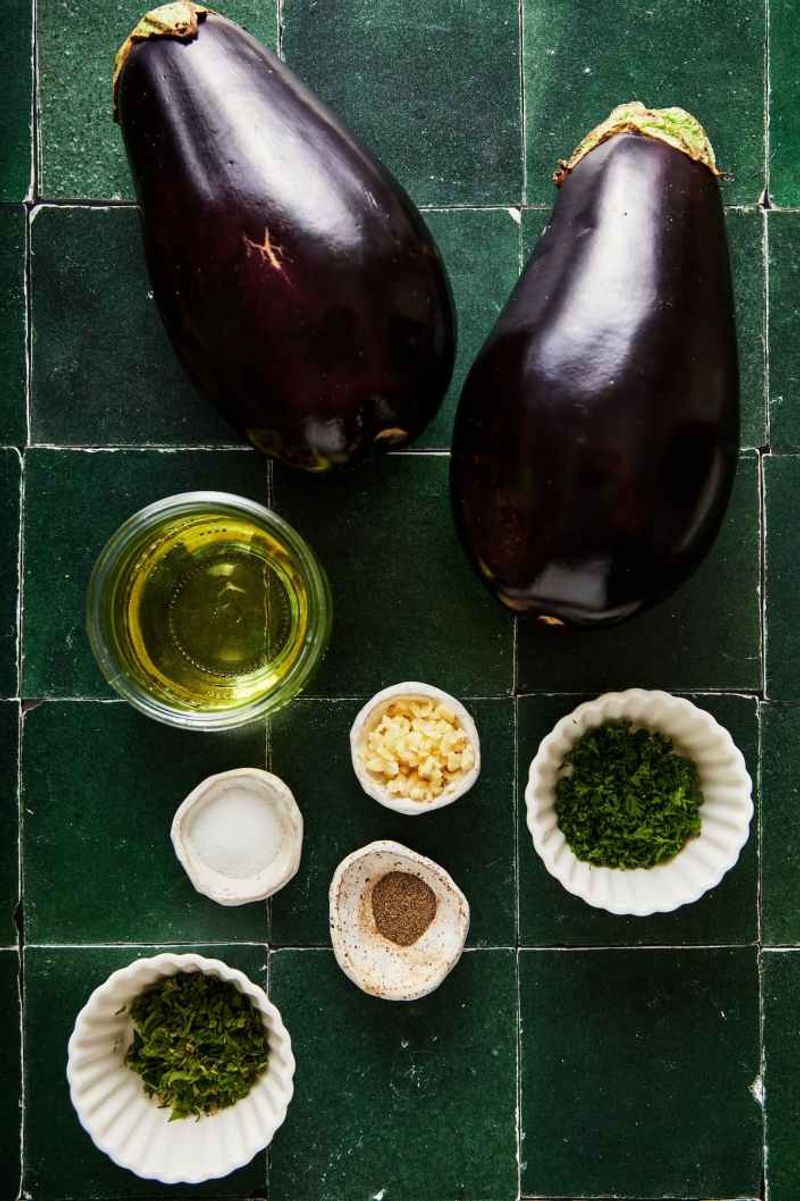
Eggplant has a mild flavor on its own, which means it absolutely needs bold, generous seasoning to shine. Do not be shy with garlic, herbs, spices, or good olive oil — add them early so the flavors have time to soak in before and during cooking.
Tossing eggplant in your seasonings at least 10 to 15 minutes before it hits the heat gives it a head start on absorbing those flavors deeply. Think of eggplant as a blank canvas that rewards confident seasoning every single time.
18. Master the Art of Eggplant Puree
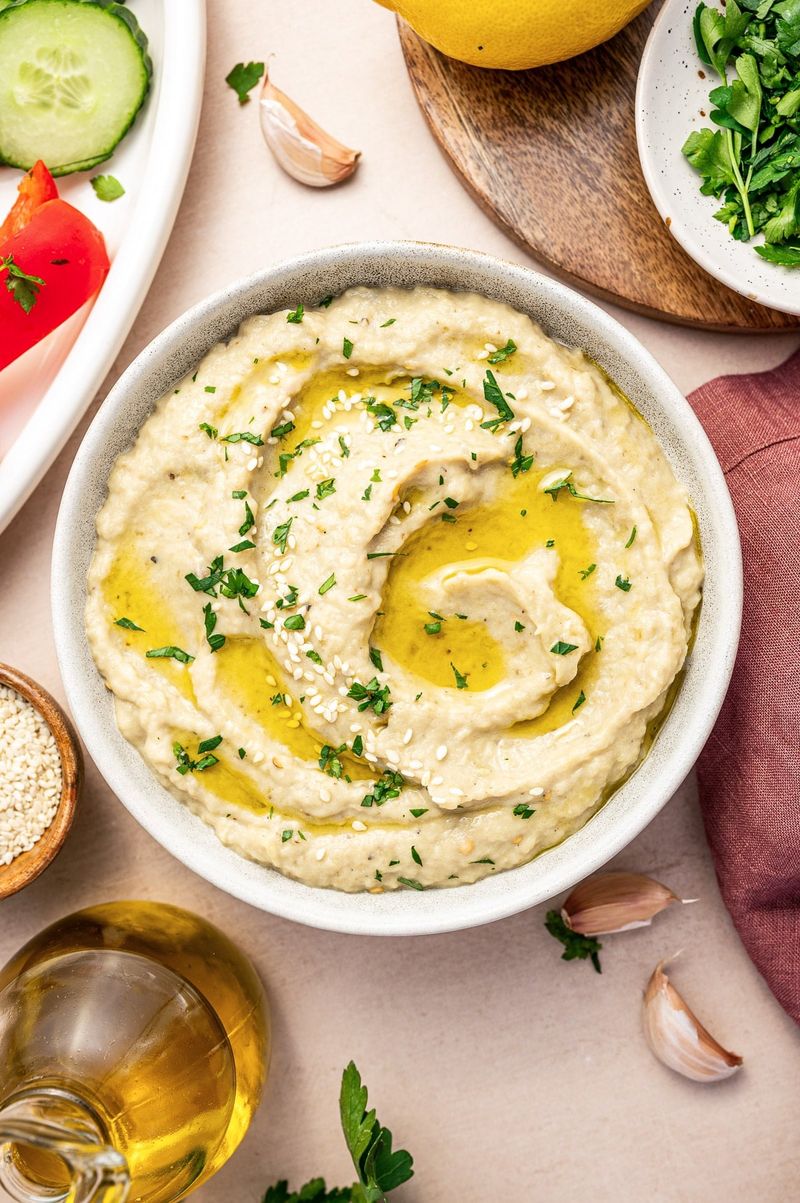
Turning roasted eggplant into a silky puree is one of the most rewarding things you can do in the kitchen. Roast the eggplant until it completely collapses and the flesh is deeply soft, then scoop out the insides and mash or blend them.
The naturally spongy flesh breaks down into an incredibly creamy texture without needing much added fat. Season with lemon juice, garlic, tahini, or fresh herbs depending on your recipe.
Use it as a dip, a spread, or a rich sauce base.